

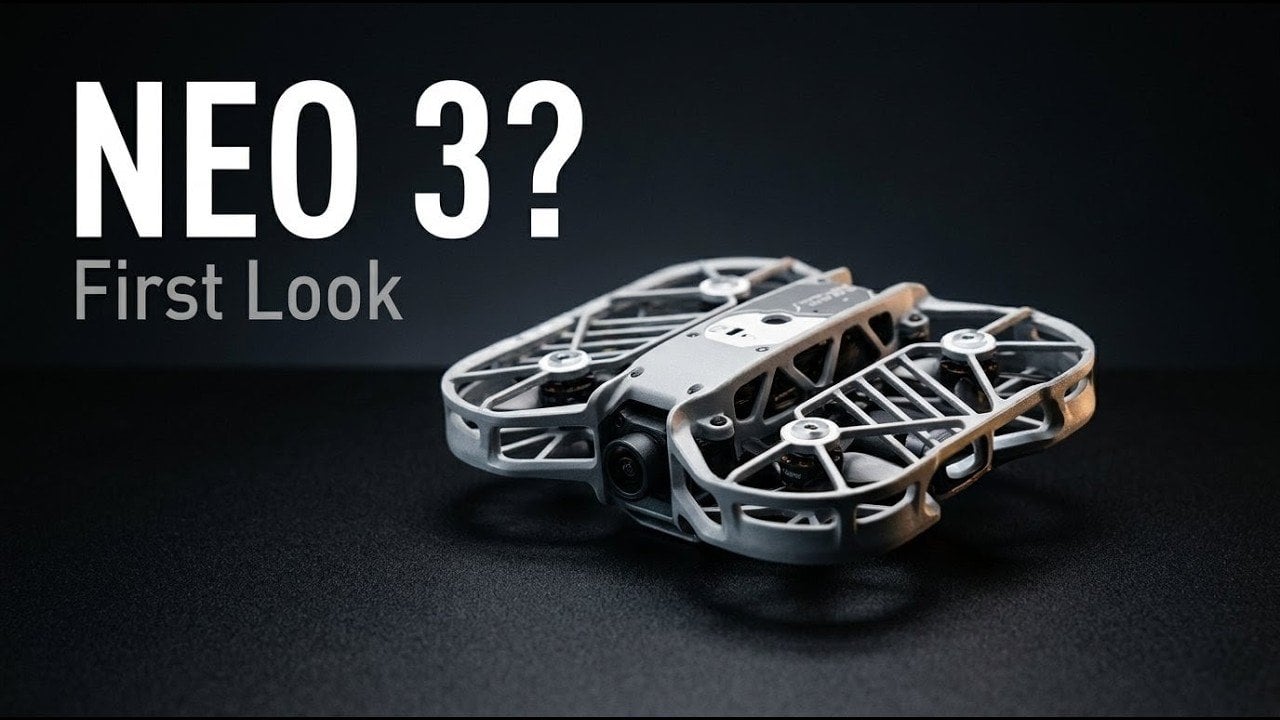
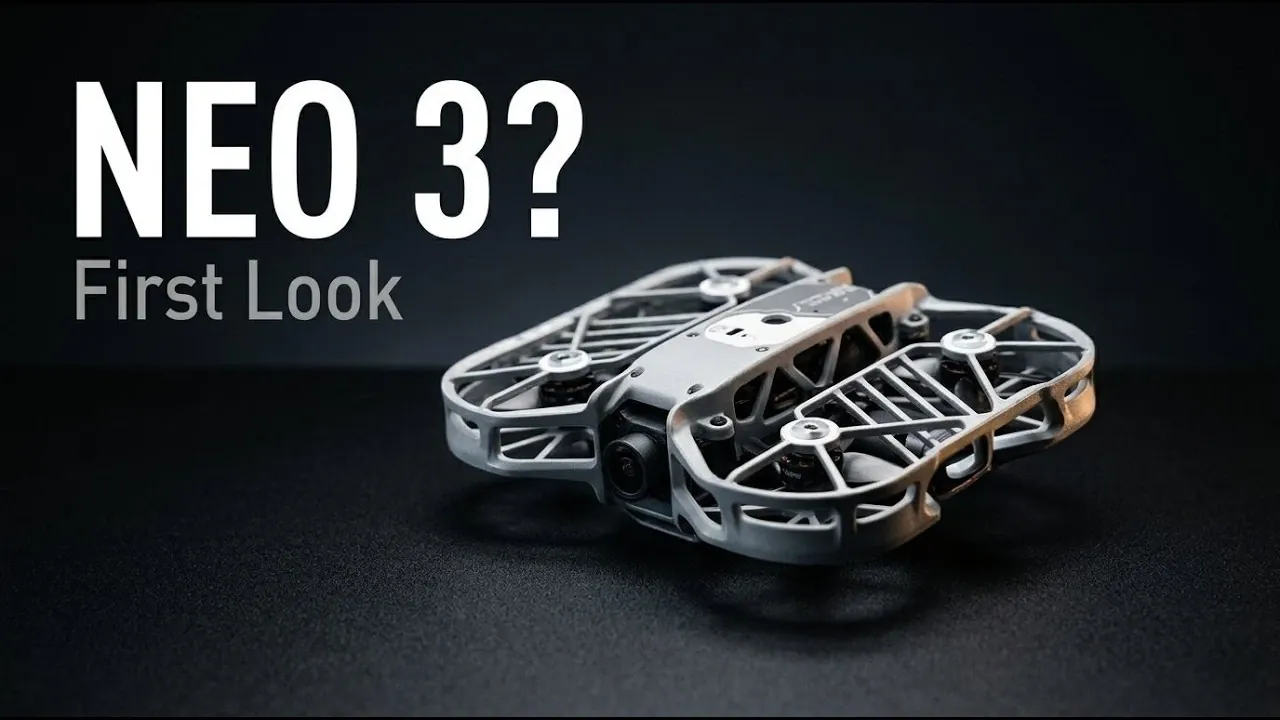
DJI’s latest prototype has sparked curiosity among drone enthusiasts, with many speculating whether it could be the rumored Neo 3 or a completely new direction for the brand. TechAvid examines the design elements of this compact drone, including its lightweight frame and refined palm-launch mechanism, which closely align with the Neo series’ hallmark features. While DJI has not confirmed the model’s identity, the observed focus on portability and ease of use suggests a continuation of the Neo lineup’s user-friendly approach.
Explore how this prototype reflects DJI’s evolving priorities, from enhanced propulsion efficiency to a symmetrical grill design aimed at improving performance and aesthetics. You’ll also gain insight into the rigorous field testing process, which highlights durability and responsiveness as key development areas. Whether you’re a hobbyist or a professional, this feature offers a closer look at what could shape DJI’s next step in drone innovation.
Neo 3 Speculation: What the Prototype Reveals
TL;DR Key Takeaways :
- DJI is testing a new drone prototype, speculated to be the Neo 3, featuring design elements aligned with the palm-launch Neo series.
- The prototype emphasizes portability, ease of use and performance, targeting both hobbyists and professionals seeking compact, high-quality drones.
- Key design features include a symmetrical grill for improved airflow, a lighter frame for better portability and an enhanced palm-launch mechanism for safety and accessibility.
- Rigorous field testing focuses on propulsion efficiency, durability and optimizing the symmetrical grill design to ensure reliability and performance.
- If the prototype is the Neo 3, it could launch by late 2026, reflecting DJI’s strategy to dominate the portable drone market with innovative, user-friendly solutions.
The prototype exhibits several characteristics reminiscent of DJI’s Neo series, particularly the Neo 2. Its compact size, lightweight frame and signature palm-launch mechanism strongly suggest it could be the next iteration in the Neo lineup. Unlike DJI’s Avata series, which emphasizes immersive first-person-view (FPV) flight experiences, this prototype appears to prioritize portability and ease of use. Although DJI has not officially confirmed the model, the resemblance to the Neo series makes it a strong candidate for the Neo 3.
The potential Neo 3 seems to target users who value convenience and accessibility without sacrificing performance. This focus aligns with DJI’s broader strategy of catering to both hobbyists and professionals, offering drones that are easy to operate yet capable of delivering high-quality results.
Design Features: A Blend of Innovation and Functionality
The prototype showcases several key design features that reflect DJI’s commitment to enhancing user experience and addressing feedback from previous models. These features include:
- Symmetrical Grill Design: This innovative feature improves airflow, enhancing propulsion efficiency while contributing to a sleek, modern aesthetic.
- Weight Reduction: Responding to feedback from the Neo 2, DJI appears to have focused on creating a lighter frame, improving portability and overall handling.
- Enhanced Palm-Launch Mechanism: A signature feature of the Neo series, this mechanism has been refined for greater safety and ease of use, making it more accessible to a wider range of users.
These design improvements suggest that DJI is aiming to strike a balance between performance, practicality and user-friendliness. By addressing past criticisms and introducing thoughtful enhancements, the company is positioning this prototype as a versatile tool for both recreational and professional applications.
Deep dive into the latest in drones by exploring our other resources and articles.
Testing and Development: Insights from the Field
Field testing of the prototype has been observed in controlled environments, offering valuable insights into DJI’s development process. Engineers appear to be focusing on several critical aspects of the drone’s performance:
- Propulsion Efficiency: Making sure the drone operates smoothly and responsively under various conditions.
- Durability: Testing the prototype’s resilience in diverse environments to ensure reliability.
- Symmetrical Grill Optimization: Fine-tuning this feature to maximize its impact on performance and design.
These rigorous tests highlight DJI’s dedication to delivering a high-quality product that meets the demands of its users. The observed testing setups, which include laptops, power stations and monitoring equipment, indicate a comprehensive approach to evaluating the prototype’s capabilities. This level of attention to detail suggests that DJI is committed to maintaining its reputation for innovation and reliability.
Release Timeline and Market Implications
If this prototype is indeed the Neo 3, it could be ready for release by late 2026, aligning with DJI’s typical two-year product update cycle. This timeline would allow DJI to refine the prototype further, making sure it meets the high standards expected by its customers. Meanwhile, the Avata 3, another highly anticipated model, is expected to follow in 2027, targeting a different segment of the market with its FPV-focused design.
DJI’s focus on the palm-launch mechanism and lightweight design reflects a clear strategy to dominate this niche market. By addressing past criticisms and introducing innovative features, the company aims to solidify its position as the leading brand for portable, user-friendly drones. This approach appeals not only to hobbyists but also to professionals seeking compact solutions for aerial photography and videography.
Looking Ahead: DJI’s Vision for the Future
While the exact identity of DJI’s new prototype remains uncertain, its design and testing strongly suggest a connection to the Neo series. With features like weight reduction, a symmetrical grill design and an enhanced palm-launch mechanism, DJI appears focused on refining its consumer-friendly drone offerings. If the Neo 3 is indeed on the horizon, it could set new benchmarks for portable drone technology.
Whether this prototype represents the Neo 3 or an entirely new model, one thing is clear: DJI remains committed to innovation and maintaining its leadership in the drone market. By continuously pushing the boundaries of design and functionality, the company is poised to meet the evolving needs of its diverse customer base, making sure its place at the forefront of the industry.
Media Credit: TechAvid
Filed Under: Gadgets News, Top News
Disclosure: Some of our articles include affiliate links. If you buy something through one of these links, Geeky Gadgets may earn an affiliate commission. Learn about our Disclosure Policy.