

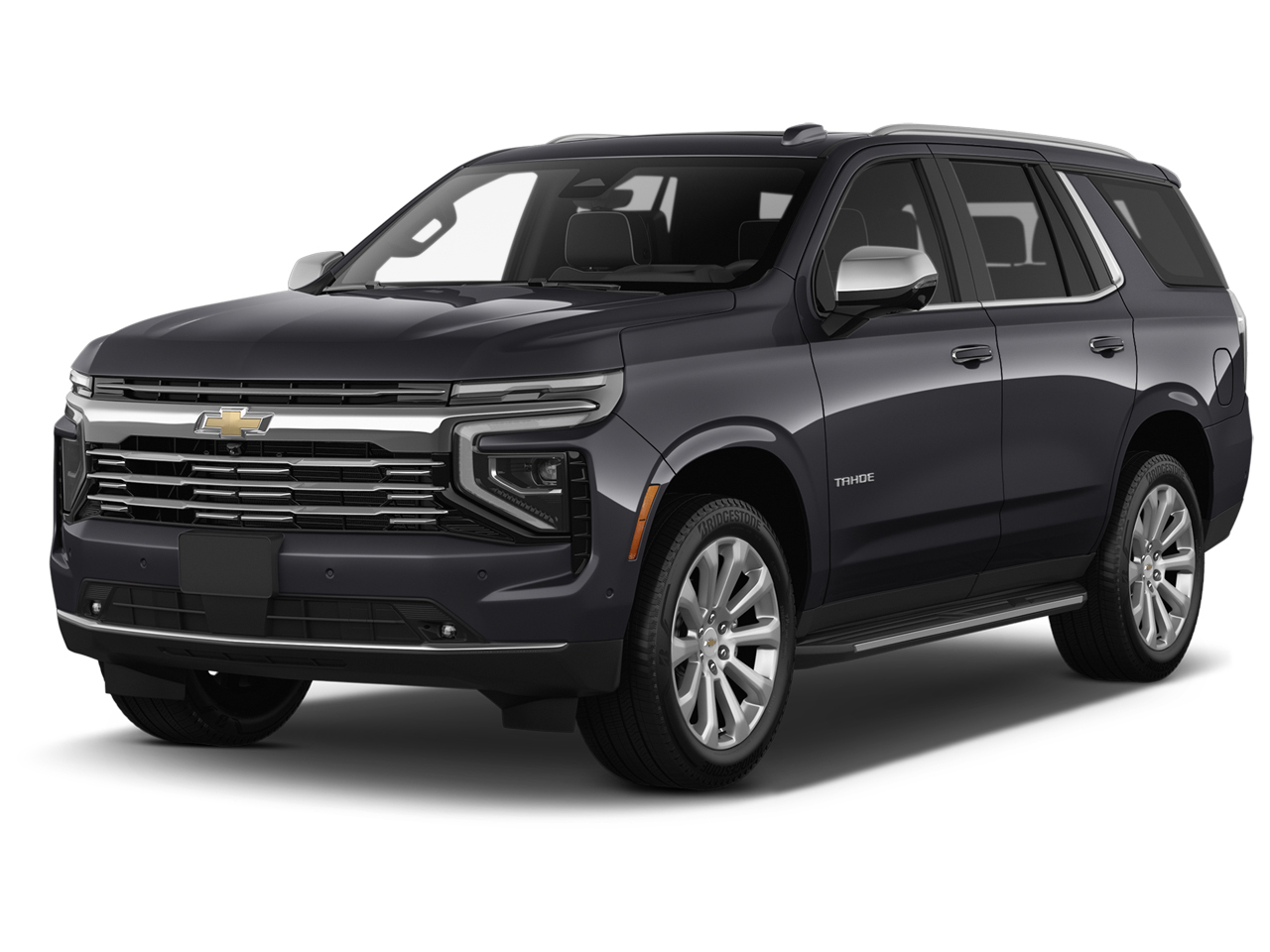
The 2026 Chevrolet Tahoe leans into its core strengths: space, refinement, and towing muscle. The move to an independent rear suspension transforms the ride quality compared with older solid-axle versions, with better control over rough pavement and more usable room in the third row and cargo area. Even adults fit in the way-back for real trips, not just short shuttles across town.
The standard 5.3-liter V-8 pairs with a 10-speed automatic transmission that shuffles ratios smoothly and responds quickly when you ask for more power. Acceleration is confident, with enough reserve thrust for merging with traffic while pulling a trailer or climbing a long grade. Two optional engines, a stronger 6.2-liter V-8 and a torque-rich 3.0-liter diesel, broaden the lineup for buyers who put a premium on speed or highway range.
Ride comfort stands out in everyday driving. The Tahoe soaks up broken pavement and expansion joints with a relaxed, almost plush character that suits its full-size proportions. Versions fitted with Magnetic Ride Control feel more tied down on undulating highways, trimming the float and pitch that can affect the standard suspension at higher speeds. For long hauls with kids and cargo, that added composure is worth seeking out.
Cabin quietness approaches luxury levels. Road and wind noise are well hushed, and the V-8 settles into a muted thrum at a cruise, only raising its voice with a satisfying growl when pushed. Materials in most trims look and feel modern, with tasteful metal-effect accents, stitched surfaces, and supportive seats in all three rows. The driving position offers broad adjustment, and larger drivers in particular will appreciate the generous elbowroom and wide, supportive front seats.
The 2026 Chevrolet Tahoe also ranks as a strong family tool. Storage cubbies are everywhere, from a huge covered bin under the center armrest to deep door pockets and numerous cup holders. Wireless Android Auto and Apple CarPlay come standard, as does 5G connectivity and a wireless charging pad on LT trims and above. The power-folding second and third rows turn the Tahoe into a makeshift cargo van, able to swallow bulky boxes, bikes, or camping gear with ease.
Safety equipment is generous across the lineup. Every Tahoe includes forward collision warning, automatic emergency braking with pedestrian and cyclist detection, blind spot monitoring, rear cross-traffic braking, lane departure warning, and lane keeping assistance. Available features such as GM’s Super Cruise hands-free system and a full suite of trailer-focused aids can further reduce driver fatigue on long highway runs and while towing.
Available Trims and Features
The 2026 Chevrolet Tahoe lineup runs from a well-equipped LS to the range-topping High Country, with a spread of engines and drivetrains. Two-wheel-drive models deliver slightly better fuel economy and payload ratings, while four-wheel-drive versions appeal to buyers in wintry climates or those who regularly tow on dirt or gravel roads. Across the range, a 10-speed automatic transmission is standard.
The LS trim starts the range with three-row seating for up to nine, a V-8 engine, and a long list of safety and connectivity features at a price just above many midsize rivals. Even this entry model brings the independent rear suspension, a large digital instrument display, and the new 17.7-inch infotainment screen. Shoppers who simply need maximum space and basic capability will find it functional, though they will miss some of the comfort upgrades of higher trims.
The LT model, offered in both two-wheel- and four-wheel-drive configurations, is the real starting point for many families. It adds features such as leather-appointed seating, a standard wireless charging pad, and access to desirable options including a panoramic sunroof, heated front seats, and a heated steering wheel. The LT also opens the door to the efficient diesel engine on select configurations, which can deliver stronger highway range than the V-8 while maintaining stout towing numbers.
The RST trim dresses the Tahoe in sportier attire, pairing blackout exterior accents with available 6.2-liter V-8 power. It appeals to buyers who want more visual flair and stronger acceleration without stepping into the full luxury territory of the High Country. The Z71, by contrast, is the off-road-flavored choice, restricted to four-wheel drive and fitted with all-terrain tires, skid plates, and off-road hardware that allow confident travel on rutted tracks and sandy trails, provided you accept some added tire noise.
The Premier trim moves closer to the luxury class. It features standard Magnetic Ride Control on many versions, upgraded upholstery, additional driver-assistance features, and a richer feature set for rear passengers. For shoppers who prioritize comfort and highway stability but do not need top-shelf luxury pricing, this trim can be a smart midpoint. At the top, the High Country layers on the most powerful engines, unique styling details, and a plusher interior, positioning the Tahoe alongside large premium SUVs while still undercutting some competitors on price.
Across trims, towing capacity remains a key part of the Tahoe story. Properly equipped rear-wheel-drive models can tow more than many three-row crossovers, while four-wheel-drive versions give up only a small amount of capability. Trailer-specific camera views, integrated brake controls, and stability aids are available, and they are worth adding if you regularly haul a camper, boat, or car hauler.
Where the 2026 Chevrolet Tahoe Could Improve
The 2026 Chevrolet Tahoe is still a large, heavy SUV, and it drives like one. Routine handling feels secure but never nimble, with noticeable body roll if you push through a tight corner and light-effort steering that can dull feedback. Emergency maneuvers are stable and predictable, yet the Tahoe prefers a measured driving style rather than aggressive cornering on twisting roads. Drivers coming from smaller crossovers will need time to acclimate to its width and height.
The tall, long hood creates genuine visibility challenges in crowded urban areas or tight parking lots. It can be difficult to spot low objects or small pedestrians close to the front bumper. Thick windshield pillars and large exterior mirrors further constrain sightlines at junctions. While the standard camera system and proximity sensors help, buyers should treat them as essential tools rather than conveniences.
Braking performance lags behind the best in the class. Stopping distances in both dry and wet conditions are longer than ideal, and the brake pedal demands more effort than many drivers expect initially. You can adapt with practice, but this characteristic takes the shine off what is otherwise a relaxing highway cruiser. Shoppers who do extensive towing should pay attention to trailer brake setup and give themselves ample stopping distance.
The infotainment system divides opinion. The 17.7-inch screen has plenty of real estate, yet GM fills it with a dense grid of icons and small touch targets that can be hard to hit on a bumpy road. Key tasks, such as adjusting heated seats, syncing climate zones, or resetting the trip computer, require dives into on-screen menus. Physical controls for temperature and fan speed help, but drivers who prefer straightforward knobs and switches may find the setup fussy.
Some control layouts simply feel counterintuitive. The left-hand stalk that combines turn-signal and front and rear wiper duties is crowded with markings and thumbwheels, and it does not illuminate at night. It is all too easy to trigger a mist wipe or wash spray when you only meant to signal a lane change. The column-mounted electronic shifter also takes a learning curve, though most drivers adapt after a few days.
Interior quality is generally good, yet not flawless. While major touchpoints are padded and stitched, close inspection reveals rough mold lines on some plastic surfaces, misaligned trim around speakers and vents, and air vents that do not adjust with the precision you might expect at this price. The cabin looks modern in photos yet feels slightly less cohesive in person than some rivals from brands such as Toyota Sequoia or Ford Expedition.
Fuel economy remains modest by family-hauler standards. The standard V-8 improves slightly over the prior generation, yet it still consumes more fuel than many three-row crossovers and some hybrid competitors. The diesel engine offers a useful gain in highway efficiency, along with excellent torque, but requires higher up-front cost and, in some regions, higher fuel prices.
Our Take
The 2026 Chevrolet Tahoe is best viewed as a modernized full-size workhorse that has pivoted toward family comfort without losing its core capability. It provides genuine three-row adult space, a quiet and relaxed ride, and meaningful towing strength that crossovers simply cannot match. In return, you accept a larger footprint, thirstier engines, and some ergonomic quirks.
For shoppers who value towing flexibility, long-trip comfort, and a cabin that can handle real family duty, the Tahoe remains one of the most convincing full-size SUV choices. Just invest time in test-driving several trims, pay close attention to visibility and brake feel, and consider the diesel or Magnetic Ride Control if you expect to cover serious highway miles each year.