

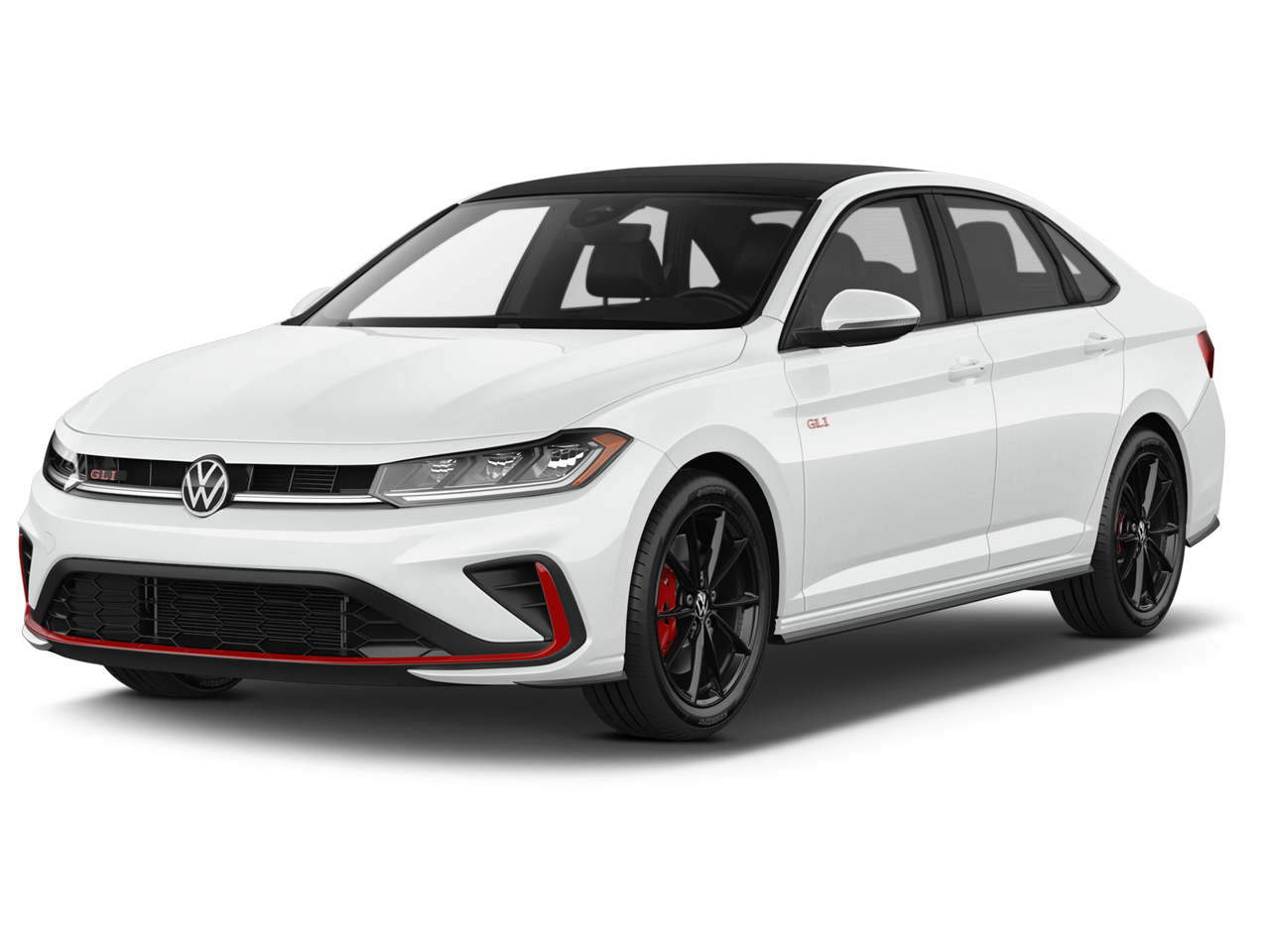
The 2026 Volkswagen Jetta centers its personality on efficiency and ease rather than track day heroics. The 1.5-liter turbocharged four-cylinder pairs with an 8-speed automatic and delivers the kind of easy torque that moves the car smartly without much throttle, yet still returns fuel economy that rivals many hybrids on the highway. In testing, earlier versions with a similar powertrain hit highway figures in the 50 mpg range, and the current engine is tuned for the same kind of miserly thirst. The transmission likes to upshift early in the name of saving fuel, but when you dig deeper into the pedal, passing power arrives quickly enough for stress-free merges.
Ride comfort is another strong card. The suspension is tuned on the soft side, so the Jetta smothers most broken pavement and expansion joints, with only the sharpest potholes thumping through. Road and wind noise stay muted at speed, which is rare in this price class and makes the car feel more expensive than it is. The quiet cabin pairs well with the standard driver assistance tech, where adaptive cruise control with stop and go and lane centering can take the edge off traffic slog, as long as you stay alert.
Interior space is a key reason to shop for this sedan. The Jetta stretches a bit longer than many compact rivals, and you notice it the moment someone climbs into the rear seat. Adults enjoy generous legroom and an easy seating position, so using it as a family car or regular ride share shuttle does not feel like a squeeze. The trunk is huge for a compact, with a wide opening and fold-down rear backrests that turn the car into a practical small hauler for road trips or college moves.
Usability is mostly strong. Visibility is excellent thanks to slim roof pillars and a large glass area, so parking in tight city spots or peeking around traffic is straightforward. Basic controls such as the main infotainment shortcuts and steering wheel buttons are intuitive, and even the base audio system supports smartphone integration, so you can plug in and go without a steep learning curve.
The 2026 lineup keeps things simple with four gas trims, all using the 1.5-liter turbo and 8-speed automatic. The entry 1.5T S is the value play, with an attractive starting price just under the mid 20s, standard smartphone mirroring, and the full IQ. Drive safety suite, but it skips some comfort items and uses more basic cabin materials. It suits drivers who care more about low monthly payments and fuel savings than about tech toys.
The 1.5T Sport aims to inject a bit more attitude without a huge price jump. You get a slightly dressier look and a few upgrades that make the car feel more special day to day, yet the core mechanical package stays focused on comfort and efficiency rather than sharp handling. For shoppers who like the idea of a sport trim but do not actually plan to drive aggressively, it is a smart middle ground.
The 1.5T SE is the trim most buyers should start with. Priced in the mid 20s, it adds faux leather upholstery, a power driver seat, heated front seats, wireless phone charging, and automatic climate control. Those touches change the Jetta from a basic commuter into an easygoing daily driver that can handle long trips without feeling cheap. If you share the car with multiple drivers, the power seat alone is worth the step up.
At the top of the gas range, the 1.5T SEL climbs closer to the 30,000 dollar mark and starts to elbow into entry luxury territory. It piles on a larger digital instrument display, more advanced infotainment with extra USB ports, and additional comfort features such as ventilated seats or a heated steering wheel, depending on configuration. For tech-focused buyers who want the nicest version without jumping to a separate performance model, it delivers a richer cabin experience and still keeps fuel costs low.
Every trim shares the same official fuel economy ratings, with city numbers in the high 20s and highway figures around 40 mpg. This means you do not need to sacrifice efficiency to get better features. Instead of hunting for a special eco package, you can simply pick the equipment level that matches your needs and know the car will stay frugal at the pump.
Driving enthusiasts will notice that the latest Jetta feels more relaxed than lively. Handling is secure, and the car tracks confidently through quick lane changes and emergency maneuvers, but body lean is noticeable on twisty roads, and the steering does not provide much feedback. If you remember older versions with taut suspension tuning, this one feels softer and a bit distant. Buyers who want a genuinely engaging drive will likely need to wait for or step into a dedicated performance variant rather than any of the 1.5T trims.
The powertrain itself, while efficient and punchy enough when prodded, can feel sleepy in casual city driving. The 8-speed automatic is tuned to chase gears for economy, which leads to frequent upshifts and the occasional pause before it kicks down for passing. Most owners will adapt, but drivers who like crisp, linear response may find it slightly frustrating at low speeds.
Cabin quality sits in the middle ground. The overall design looks clean, and the build feels solid, yet you do not have to dig far to find cost-cutting. Only part of the dash is padded, much of the door trim is hard plastic, and details such as an uncovered trunk hinge or a glovebox that drops open with a clunk remind you that this is priced below many midsize alternatives. On hot days, the leatherette upholstery can also feel sticky compared with real leather or breathable cloth.
Ergonomics is a mixed bag. Seating position and visibility are strong, but the wide center console rubs against the driver’s knee, and the low-mounted vents can blast cold air at your elbow instead of your chest and face. The move to touch-sensitive climate controls also hurts day-to-day usability. Adjusting temperature or fan speed on a glossy panel that needs precise finger slides is harder than twisting a traditional knob, especially on bumpy roads.
The advanced driver assistance tech is generous for the price, yet the way you interact with it is not ideal. Some systems turn on and off only through the infotainment menus rather than through quick physical buttons, so making changes on the move can be confusing. The active driving assistance system combines adaptive cruise and lane centering and works smoothly on straight highways, but without a direct camera-based driver monitoring system, it is too easy to let your attention wander. The car simply checks for light steering wheel input, and we found it would go a long stretch with minimal oversight before escalating its warnings.
Families who rely on rear seat safety tech should also know that the Jetta includes an end-of-trip rear seat reminder but does not use sensors to detect actual occupants, and it lacks a rear belt minder to alert you if back seat passengers unbuckle mid-trip. The car seat installation process is workable, yet the wide belt anchor spacing and flexible buckle stalks make some rear-facing setups more fiddly than they need to be.
Our Take
The 2026 Volkswagen Jetta is at its best as a quiet, roomy, and thrifty small sedan that punches above its weight in comfort and highway manners. It is not the most exciting choice to drive, and the cabin does reveal some penny pinching if you look closely, but as a tool for racking up miles with low fuel bills and minimal fatigue, it makes a strong argument. Shoppers who prioritize playful handling and lush materials might lean to rivals, yet anyone who wants big interior space, serious driver assistance tech, and hybrid-like efficiency without the hybrid price should put the Jetta, especially in 1.5T SE or SEL form, high on the test drive list.