

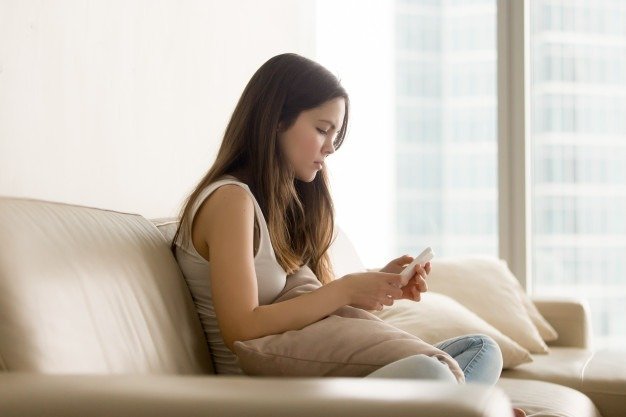
Quick summary: People who post the least on social media often manage their well being most effectively because they avoid the cycle of comparing themselves to idealised online images that fuels feelings of inadequacy. Stepping back from sharing also breaks the approval loop that creates persistent anxiety through constant monitoring of likes and comments while freeing individuals to experience moments more fully and remember them with greater emotional depth. This approach supports better mental health by preserving personal boundaries and a stable sense of self, offering practical implications for healthcare practitioners encouraging mindful digital habits and for public policy addressing the psychological costs of constant connectivity.
The pressure to document everyday life online has never felt more intense. Meals, sunsets, milestones, and even mundane moments are regularly shared across platforms, driven by an unspoken expectation to stay visible. Yet some of the people who appear to manage their well-being most effectively are those who post the least.
This is not simply a lifestyle preference. There are psychological mechanisms that help explain why stepping back from social media can be genuinely beneficial.
The comparison problem
Social media feeds are not accurate reflections of other people’s lives. They are edited, filtered, and selectively presented. Research on social comparison theory suggests that repeated exposure to idealised images of others can produce feelings of inadequacy, particularly when people evaluate their own lives against what they see online.
Those who post less tend to engage less with this cycle. Without the implicit pressure to present themselves favourably, they are also less likely to measure their own circumstances against an unrealistic standard.
Anxiety and the approval loop
Posting something online initiates a kind of waiting period. Whether consciously or not, people tend to monitor how a post is received, and this can produce low-level but persistent anxiety. The anticipation of likes, comments, or shares activates reward pathways in the brain in ways that psychologists have likened to other forms of variable reinforcement.
People who rarely post do not experience this loop. They are not left wondering how a photo or caption has landed, and they do not carry what some researchers describe as a vulnerability hangover, a form of regret or unease following public self-disclosure.
Presence and memory
There is evidence to suggest that actively trying to capture a moment for social media can actually reduce how well that moment is remembered. When attention is divided between experiencing something and framing it for an audience, the emotional depth of the experience is diminished.
People who do not post regularly are freer to engage with what is happening around them. This kind of present-moment awareness, sometimes described in terms of mindfulness, is associated with lower stress and greater emotional satisfaction.
Privacy as psychological protection
A sense of agency over personal information is closely linked to well-being. Sharing a great deal publicly can blur the boundaries between a person’s private identity and how they are perceived by others. Over time, this may make it harder to maintain a stable, internally grounded sense of self.
Digital minimalists tend to preserve a private sphere, keeping personal experiences within a smaller, trusted network. This boundary is not about secrecy but about maintaining a sense of ownership over their own lives.
None of this means that using social media is inherently harmful, or that everyone who posts frequently is suffering. But the growing interest in digital minimalism reflects something real: a recognition that constant connectivity comes with psychological costs that are worth taking seriously. For many people, posting less is not a withdrawal from social life but a quieter, more deliberate way of engaging with it.