


Smart glasses have spent years trying to convince people they belong on actual human faces. Most of them failed, and the reason isn’t complicated: every major player landed on the same formula. Add a camera. Add a speaker. Record everything. Broadcast everything. The entire industry treats face-mounted surveillance as the price of admission, the one capability that supposedly justifies strapping a computer to your head. That’s a bold bet to make in a world where most people still feel weird pulling out their phone camera in a quiet restaurant.
Price: $599
Where to Buy: Even Realities
We got hands-on with the Even Realities G2 at CES 2026, where they quietly earned a Best of Show nod while flashier gadgets fought for attention. Three months later, with Meta, Google, and reportedly Apple all pushing deeper into the space, the G2 isn’t just a privacy statement. It’s becoming a platform, and the timing caught the camera-first crowd off guard.
So the real question is: can a pair of smart glasses earn a permanent spot on your face by showing you less instead of more? At $599 for the complete package, the G2 ships without cameras and without speakers. That’s not a cost-cutting move. It’s the entire design philosophy.
What Actually Changed
The original G1 earned attention as a proof of concept, a pair of smart glasses that proved display-only wearables could work without cameras or speakers. The G2 isn’t a spec bump. Even Realities treated it as a ground-up rebuild, and the changes touch every layer of the product.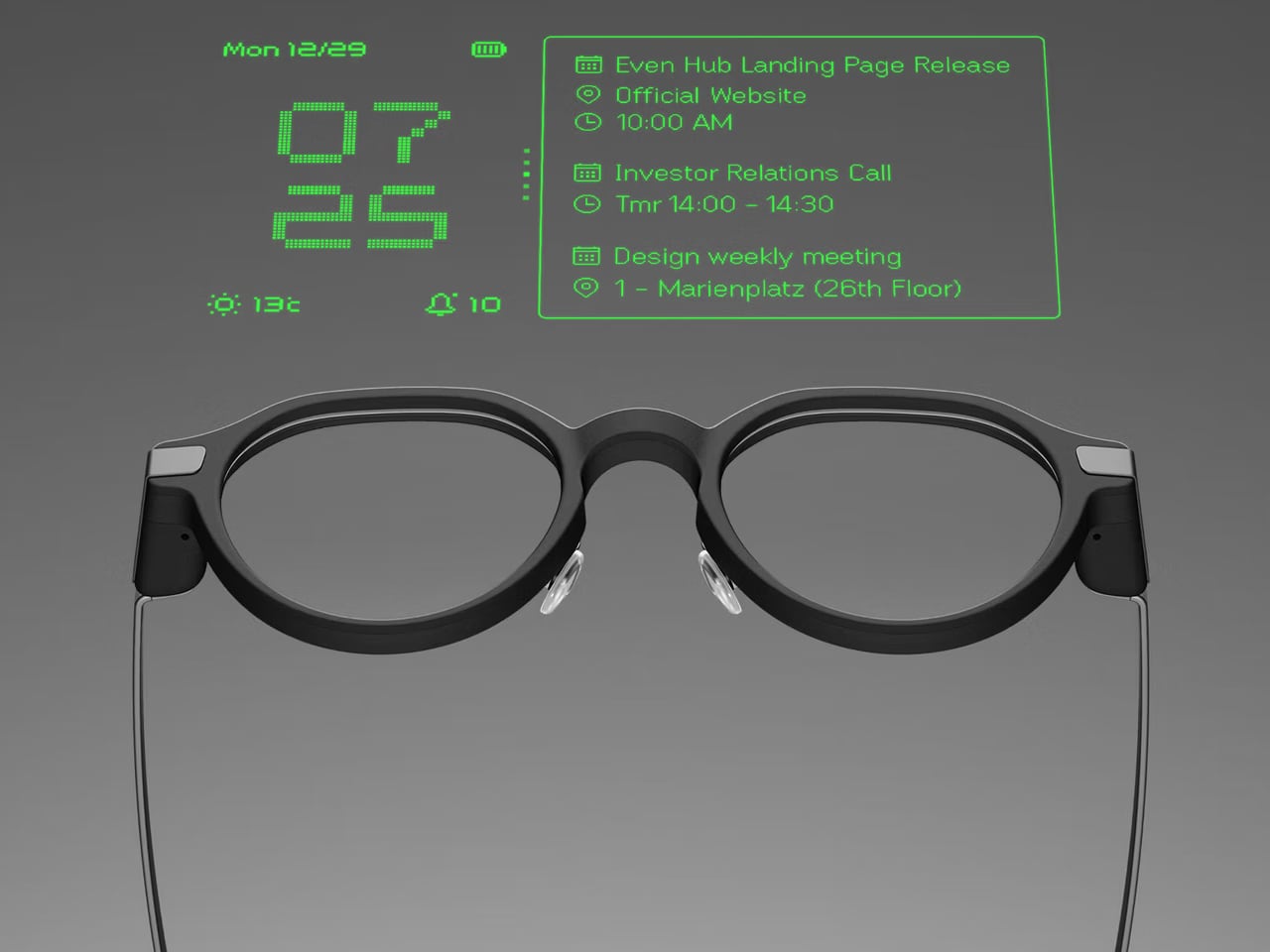
The display area jumped 75% while the lenses got 30% thinner. The G1’s single-layer projection gave way to a dual-plane system that separates quick AI prompts from detailed content like navigation. Conversate, the G2’s contextual AI engine, picked up Prep Notes in its 2.0 update, letting users build briefing materials before meetings instead of relying solely on real-time suggestions. And the biggest platform shift landed on April 3, 2026: Even Hub, an open app store that turns the G2 from a closed AI assistant into a developer-friendly wearable with roughly 50 apps at launch.
The G1 showed the idea could work. The G2 is the version that has to prove it can scale.
1. They Actually Look Like Regular Glasses
Pick up the Even Realities G2 and the first thing you register is how little there is to register. At 36 grams, or about 1.26 ounces, it sits in the same territory as a mid-range pair of designer frames, not in the chunky tech accessory category where most smart glasses live. Even Realities builds the G2 from aerospace-grade metals with screwless hinges tested to 40,000 open-and-close cycles, and the cool, smooth finish across the temples feels more like jewelry engineering than consumer electronics. The result is a pair of glasses that doesn’t announce itself as a gadget.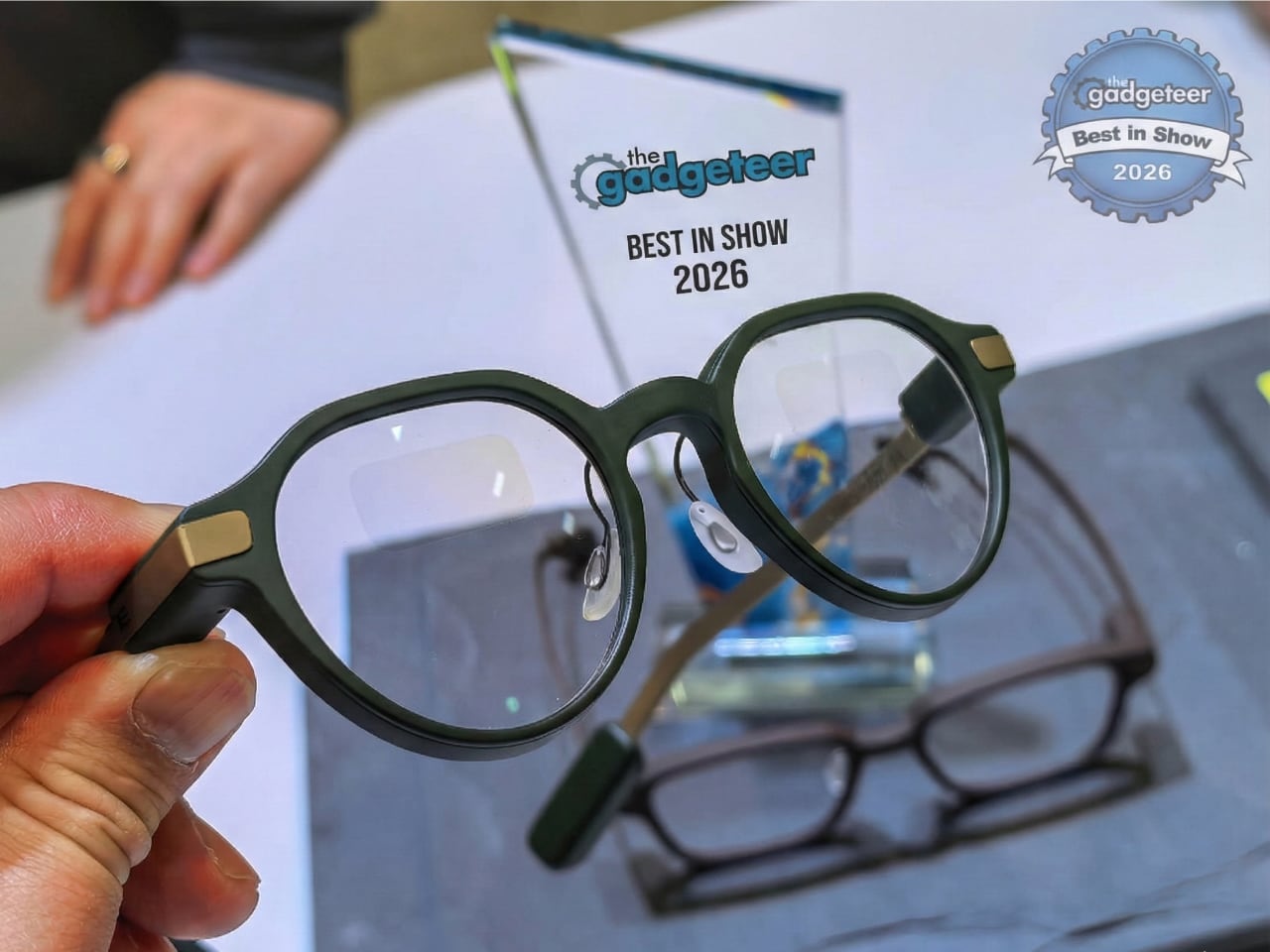
The company offers two frame styles, the Crown Panto (G2-A) and a Rectangular design (G2-B), available in multiple colorways. Prescription lenses are supported through the company’s proprietary optical system, meaning these can replace your daily eyewear entirely rather than sitting in a drawer next to your regular pair.
2. The Floating Spatial Display Changes How Information Appears
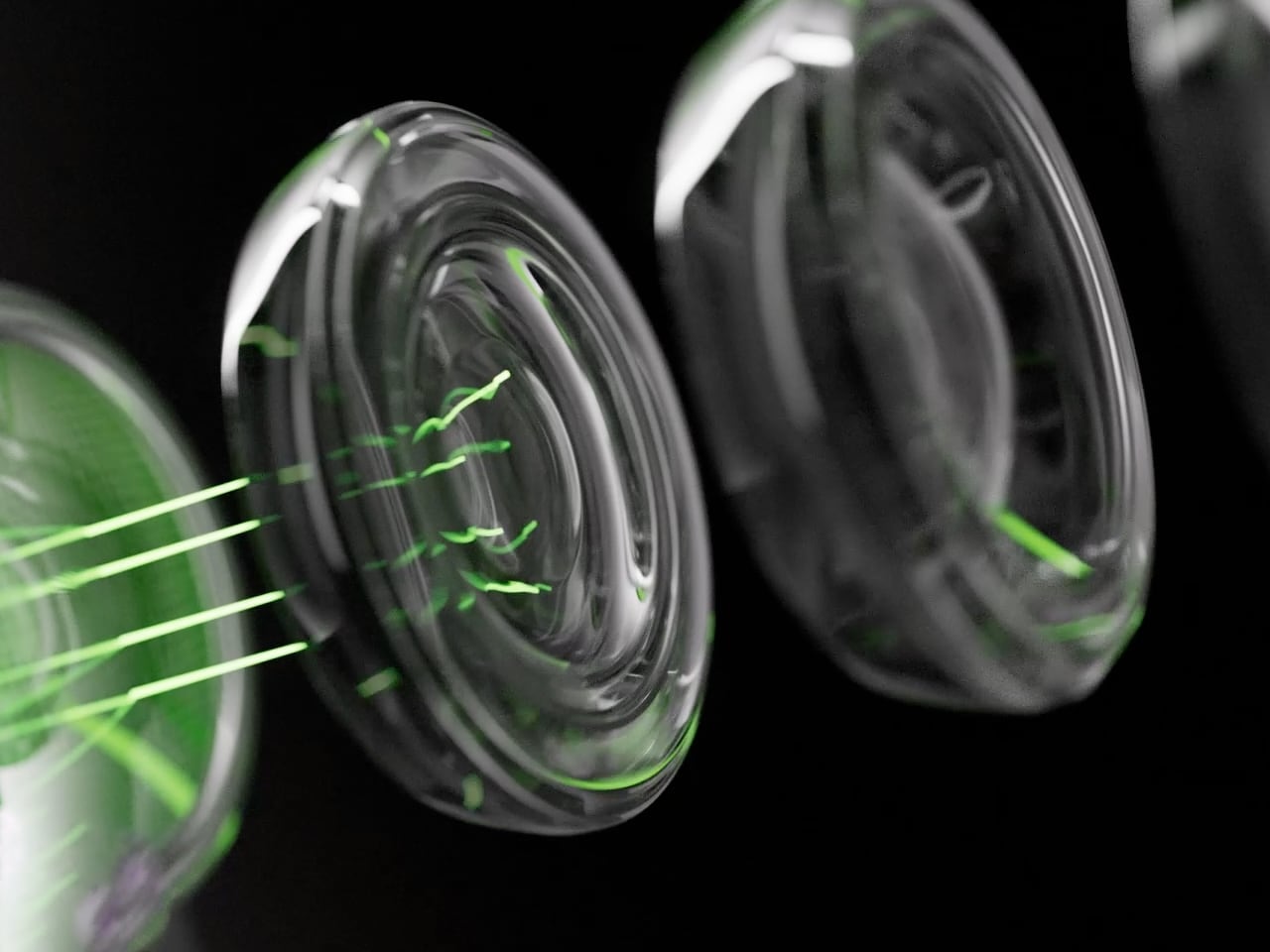
The G2 Smart Glasses uses what Even Realities calls its Even HAO 2.0 optics system. Micro-LED projectors are embedded into the lenses alongside custom waveguides that focus text and visual information into the wearer’s field of view. The display area is 75% larger than what the original G1 offered, a jump that makes the G2 feel like a generational leap rather than a spec bump.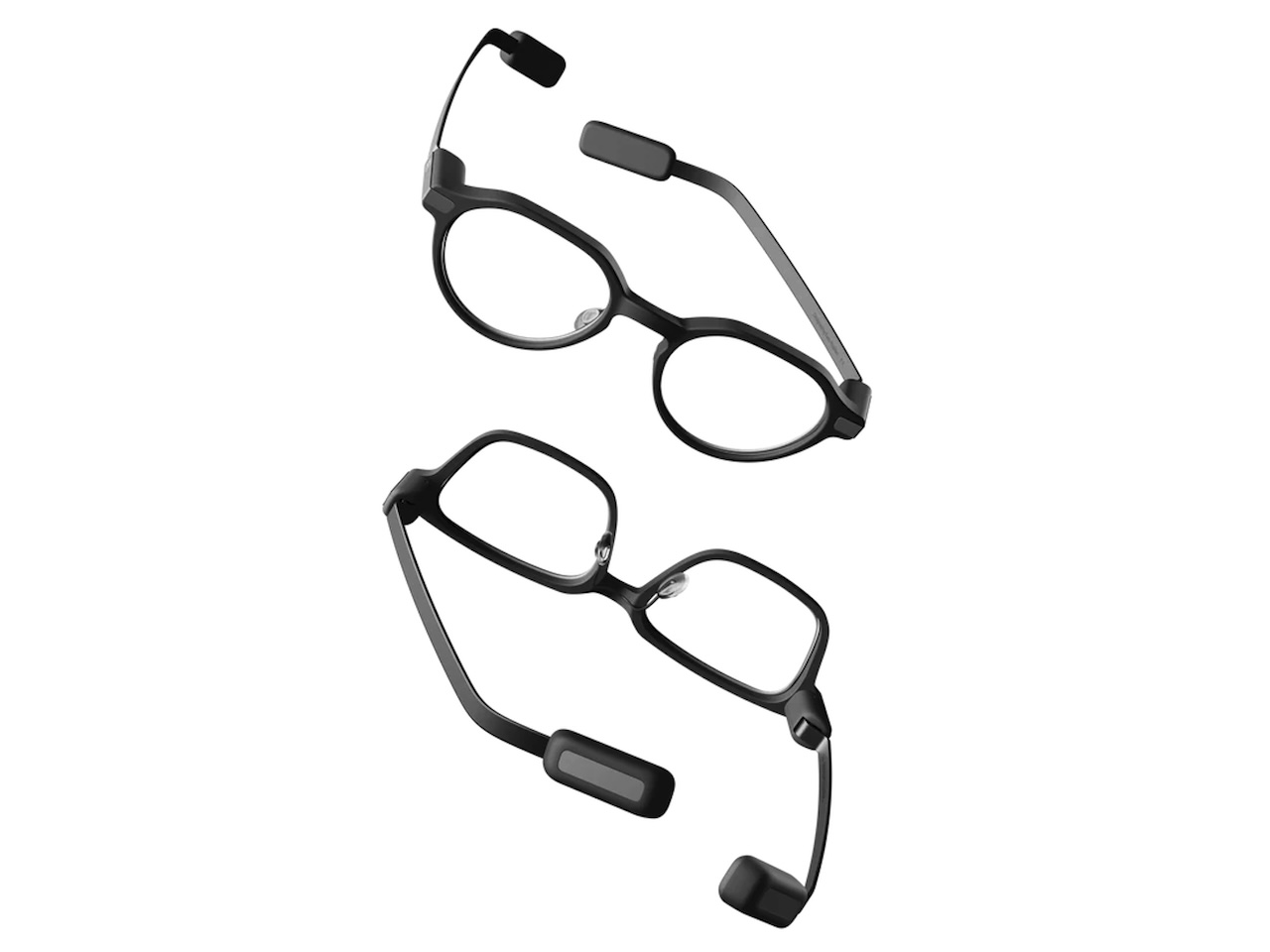
What makes this system different from other smart glasses displays is the dual-layer approach. The G2 projects information across two visual planes, creating what Even Realities describes as a “floating spatial display.” AI insights and quick notifications appear in the foreground layer, while more detailed content like navigation sits further back. The lenses themselves are 30% thinner than the G1’s, and they use over 100 layer coatings designed for high light transmission and true color interpretation.
In practice, the effect is closer to a calm heads-up prompt than a screen strapped to your face. Brightness sensors adjust the display automatically in most lighting conditions, though strong direct sunlight can make text harder to read. The waveguide keeps projected content from washing out the world behind it. It’s a smart balance between presence and restraint.
3. Conversate AI Follows Your Conversations in Real Time
The G2’s signature software feature is Conversate, a contextual AI system that listens to conversations and surfaces relevant suggestions without anyone else knowing. It doesn’t require voice commands or manual activation during a discussion. The system follows what’s being said and cues information it determines is useful. If you’re mid-conversation and blanking on a name or a number, the prompt just appears in the lens, quiet and fast.
The recently launched Conversate 2.0 update adds Prep Notes, which allows users to prepare for important meetings and conversations with AI-powered briefing materials. Even Realities positions this as the core use case for the glasses: staying sharp in professional and social situations without pulling out a phone or visibly interacting with a device.
4. The R1 Ring Adds a Completely New Way to Interact
Instead of relying solely on the capacitive touch buttons built into the arms of the glasses, Even Realities offers the R1 control ring as a companion device. The ring is constructed from ceramic and stainless steel, with a plateaued touch surface on top. Gestures on the ring control the paired G2 glasses, making interactions possible without reaching up to your face.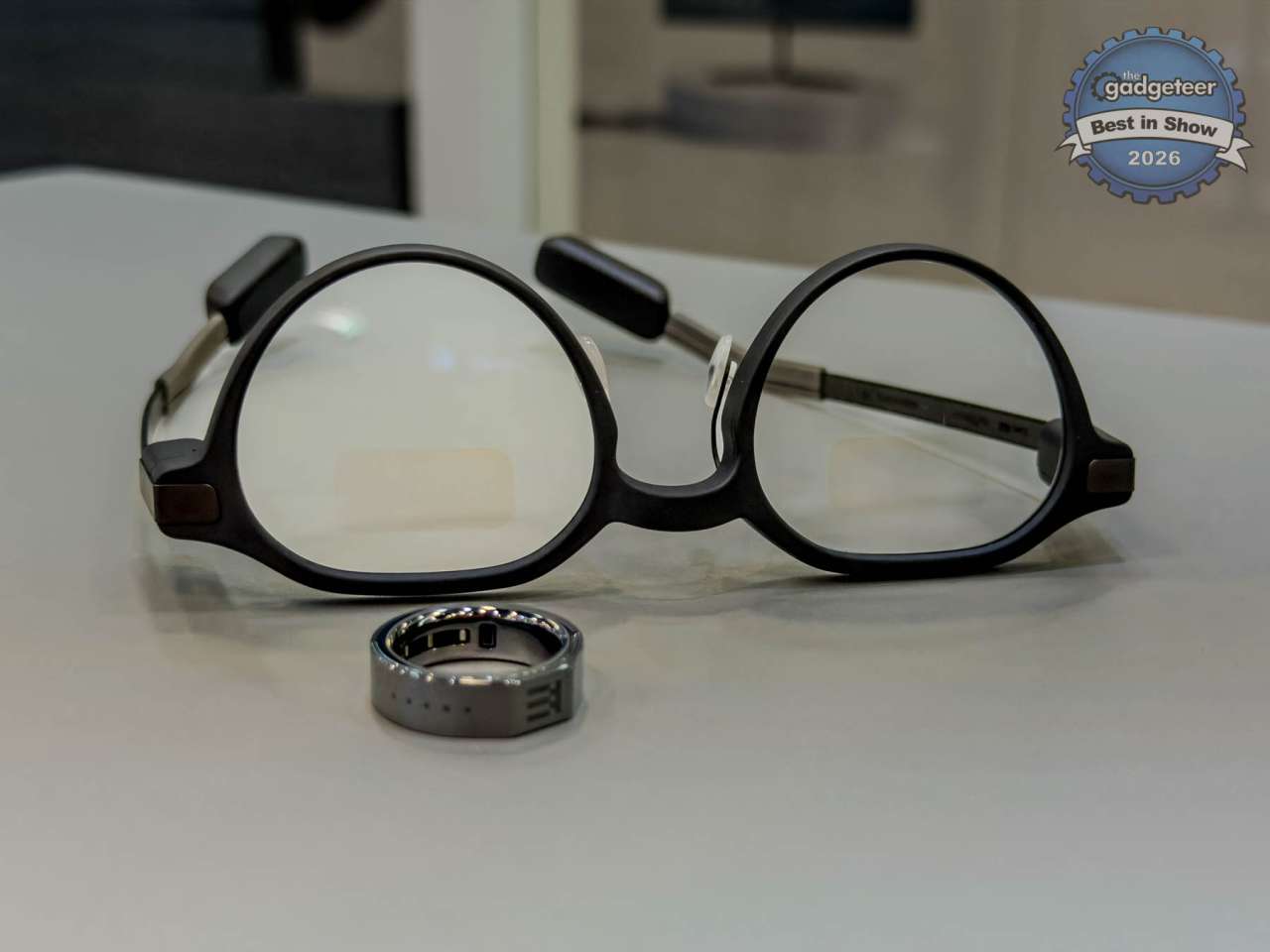
The R1 also doubles as a wellness tracker, providing basic health insights alongside its controller functionality. At $249 for the ring alone, it’s positioned at the premium end of the smart ring market. The ring’s touch-sensitive controls can be less responsive in extreme temperatures or when fingers are sweaty, according to hands-on testing at CES 2026.
5. Even Hub Turns the G2 Into an Open App Platform
Launching on April 3, 2026, Even Hub is an open app store and developer platform built for the G2. Developers can build natively for the smart glasses using Even Realities’ SDK and APIs, and users can browse and install apps directly through the Even Realities companion app.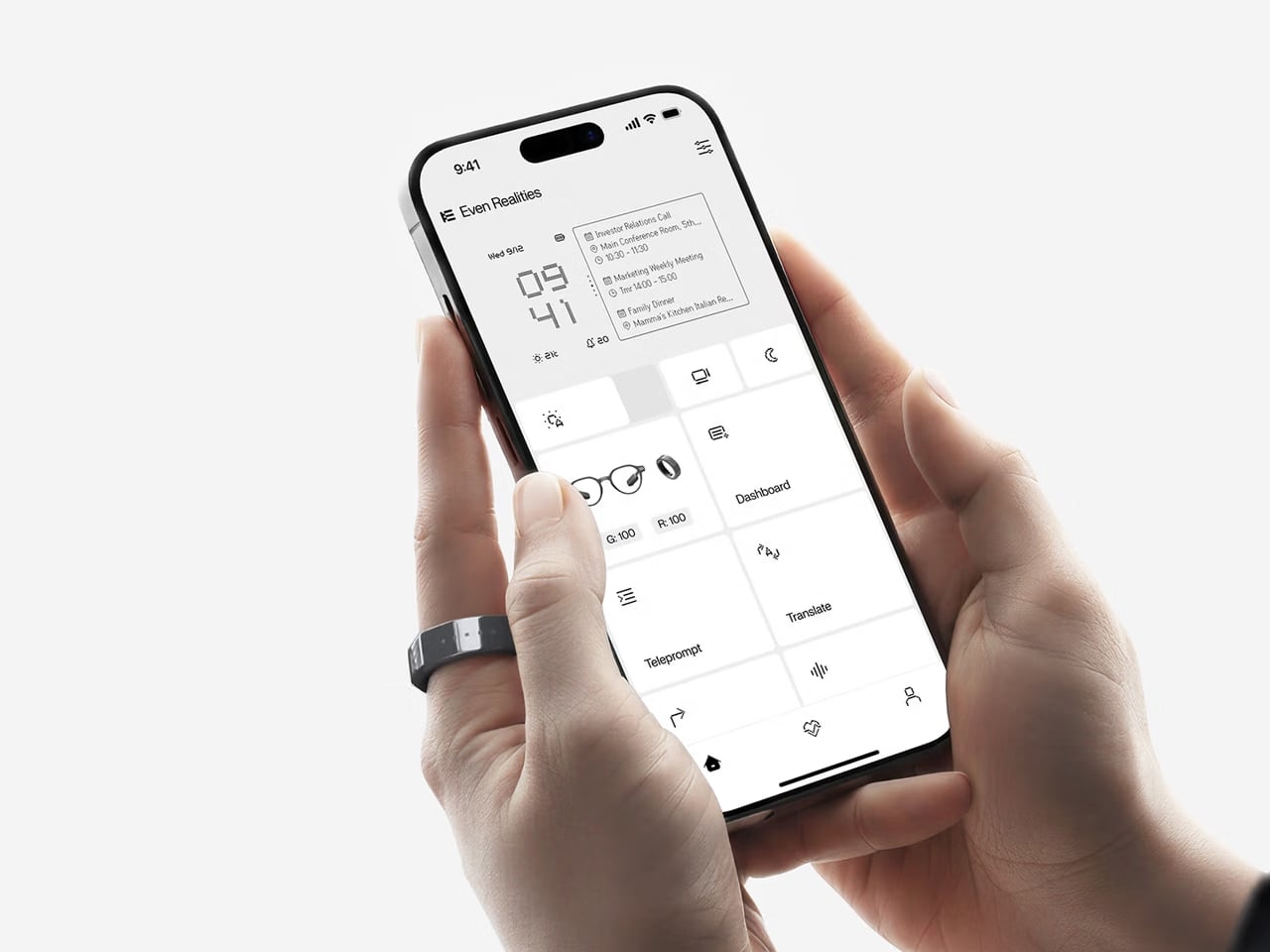
The developer community has already produced roughly 50 apps and plug-ins at launch. The range covers ebook readers, guided workout timers, NYC subway arrival tracking, breathing exercises, live stock charts, Spotify integration, a chess game controlled via the R1 ring, and even Tesla vehicle management. You scroll through the library on your phone and it starts to feel less like an accessory store and more like the early days of a wearable app ecosystem, scrappy and uneven but genuinely surprising in spots. The breadth of that initial lineup signals that Even Realities is moving the G2 from a single-purpose AI assistant into something closer to a real platform.
Even Realities isn’t charging developers for SDK access at launch, which lowers the barrier for small teams and solo creators. That’s a welcome move in a hardware category where walled gardens have historically limited what third-party apps can do. Whether the app quality holds up beyond the launch wave is the real test, but the foundation feels more open than anything else in the smart glasses space right now.
6. The Build Quality Punches Above Its Price
At $599, the G2 sits in a price range that makes sense when you consider the eyewear market. Designer frames typically run $300 to $400, and average quality frames cost $200 to $300. The G2 essentially adds a heads-up display, AI capabilities, and smart ring compatibility to that equation.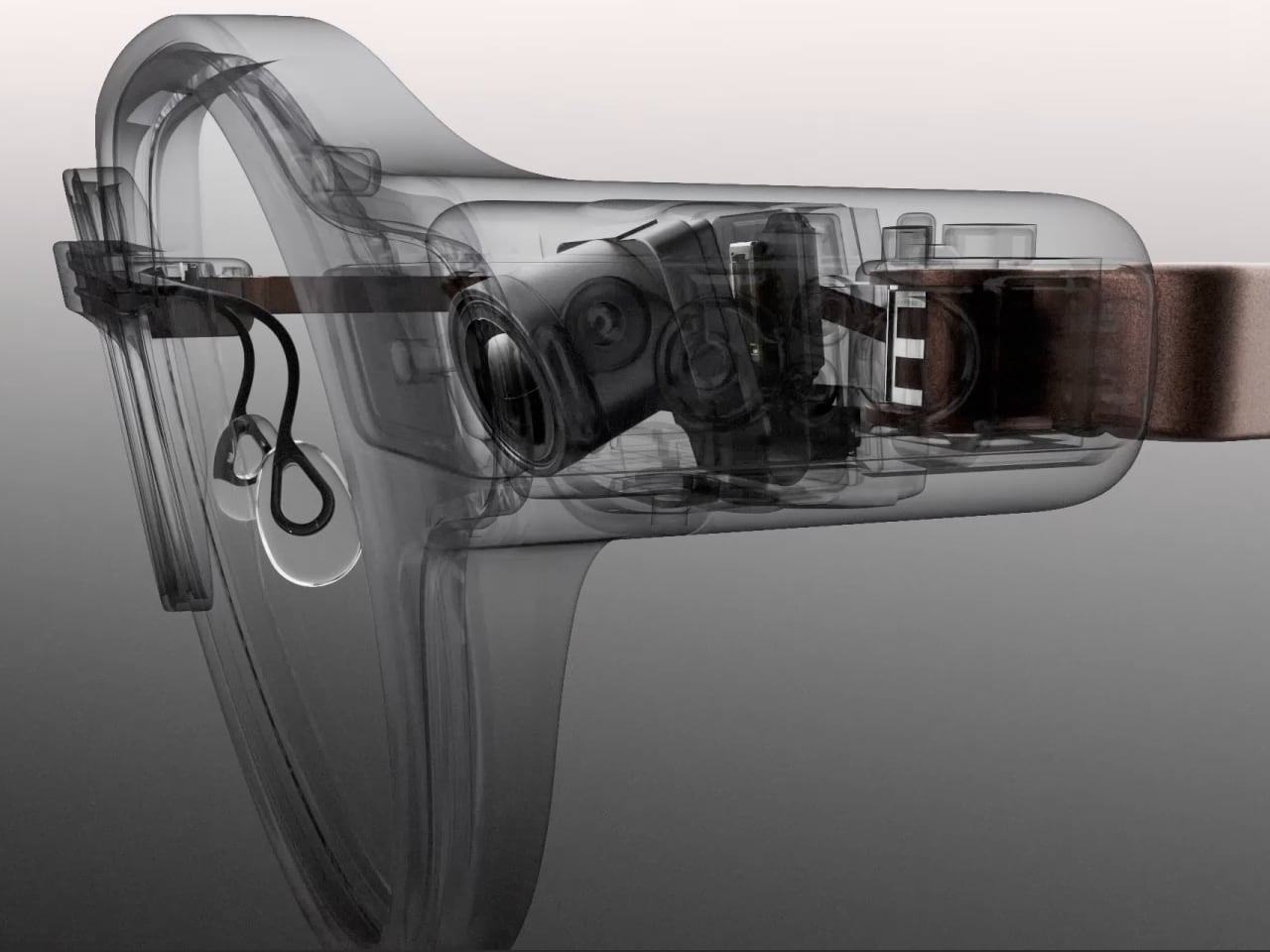
IP65 water and dust resistance means the glasses can handle rain, sweat, and dusty environments without concern. The 2-day battery life, according to Even Realities, keeps them running through a full workday and then some without needing a charge. The lenses are digitally surfaced with a diamond-tipped lathe for edge-to-edge precision, and an optional UltraFit program lets opticians fine-tune tilt, vertex distance, and wrap angle for individual wearers.
7. No Camera and No Speaker Is the Entire Point
This is where the G2 makes its sharpest break from competitors. There’s no camera recording what you see. There’s no outward-facing speaker broadcasting your calls to everyone nearby. In a market where smart glasses have become synonymous with privacy concerns and social awkwardness, Even Realities chose to build smart glasses without a camera, creating a device that’s invisible to the people around you.
The trade-off is real. You won’t be snapping photos or making hands-free calls through the glasses themselves. But the company’s bet is that enough people want the information layer, the AI assistance, and the notification management without the social baggage that comes with a face-mounted camera. Based on the growing community of over 2,000 developers building for the platform, that bet appears to be finding traction.
There’s also a practical angle that’s easy to overlook. Without a camera module or speaker driver eating into the frame’s internal volume, Even Realities reclaims that space for battery and optics. The absence isn’t just philosophical. It’s structural, and you feel it in how light and balanced the frames sit across a full day of wear.
Why This Exists
The smart glasses market in 2026 runs on a single assumption: people want their eyewear to do everything a phone does, just closer to their eyes. Cameras, speakers, voice assistants, social sharing. The pitch from Meta, Google, and every startup chasing the space is essentially the same. More features, more sensors, more reasons to never take them off.
Even Realities exists because that pitch has a blind spot. Not everyone wants a camera on their face. Not every professional environment allows one. Not every social setting tolerates the ambiguity of wondering whether someone’s glasses are recording. The G2 was built for the people who want the information layer, the contextual AI, and the notification management without the social friction that camera-equipped glasses create. It’s a deliberate gap in the market that nobody else is filling at this level of build quality and optical engineering.
There’s also a practical calculation underneath the privacy argument. By skipping cameras and speakers, Even Realities avoids the legal headaches and public backlash that have dogged camera-equipped wearables since Google Glass. The G2 can go places other smart glasses can’t: boardrooms, courtrooms, hospitals, schools. That access advantage compounds over time, and it’s the kind of thing that doesn’t show up on a spec sheet but shapes who actually wears these every day.
Who Should Skip This
If you want smart glasses that double as a camera, the G2 isn’t for you. There’s no photo capture, no video recording, no visual AI that identifies objects or translates signs in real time. Anyone whose primary use case involves capturing what they see should look at the Ray-Ban Meta lineup instead.
The same applies if you rely on hands-free calls through your glasses. The G2 has no speaker and no microphone array designed for voice calls. You’ll still need your phone or earbuds for audio communication. The glasses handle notifications and AI prompts silently through the display, which is the point, but it means they won’t replace a Bluetooth headset.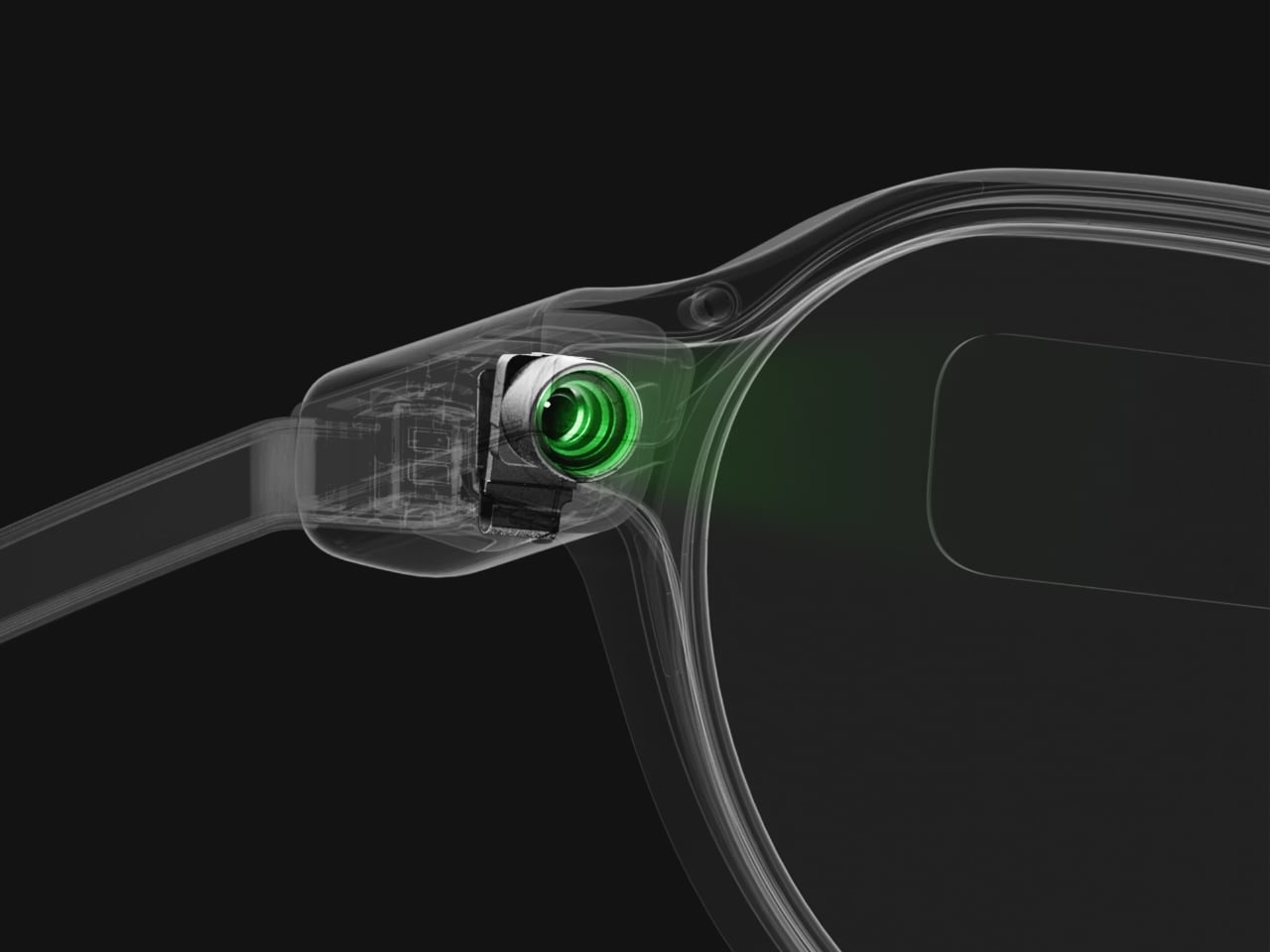
Price-conscious buyers should also think carefully. At $599 for the glasses alone, or $848 bundled with the R1 ring, the G2 costs more than most smart glasses on the market. You’re paying for premium build materials, custom optics, and a growing app ecosystem. If you’re not sure you’ll use the AI features or the Even Hub apps daily, that investment might not justify itself against simpler, cheaper alternatives.
The Bottom Line
Smart glasses in 2026 aren’t short on ambition. Every major tech company wants a piece of your face, and most of them are betting that cameras and speakers are the way to get there. Even Realities looked at that crowded race and chose a different lane entirely. The G2 won’t record your lunch or play podcasts through your temples. What it’ll do is put useful information in front of your eyes without turning you into a walking surveillance device, and it’ll do it while weighing about the same as a standard pair of designer frames.
Price: $599
Where to Buy: Even Realities
The real test for the G2 isn’t whether it can compete with Ray-Ban Meta on features. It’s whether enough people decide that a display-only approach solves the problems they actually care about. With Even Hub now live and a growing developer community building tools that push beyond what Even Realities originally shipped, the G2 is no longer just a promising piece of hardware. It’s becoming a platform. At $599, you’re paying for a pair of glasses that happens to have a floating AI display inside, not a gadget that happens to sit on your face. That distinction sounds small. After wearing them through CES and picking them up again three months later, it’s the thing that matters most.
Love our content?
Sign up for our newsletter today.
No ads, no spam, just links to our latest articles!

HP 14 Laptop, Intel Celeron N4020, 4 GB RAM, 64 GB Storage, 14-inch Micro-edge HD Display, Windows 11 Home, Thin & Portable, 4K Graphics, One Year of Microsoft 365 (14-dq0040nr, Snowflake White)
(as of April 4, 2026 11:14 GMT -05:00 – More infoProduct prices and availability are accurate as of the date/time indicated and are subject to change. Any price and availability information displayed on [relevant Amazon Site(s), as applicable] at the time of purchase will apply to the purchase of this product.)