

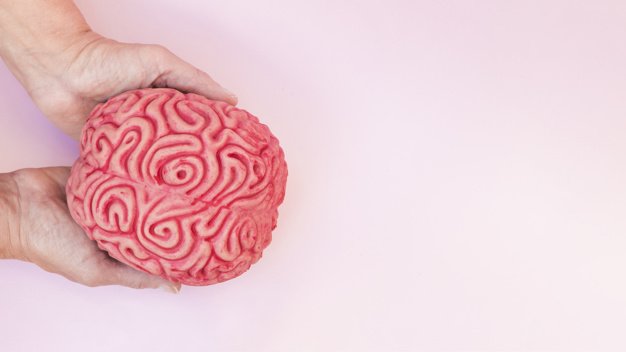
Quick summary: Neuroscience research shows that DMT in Ayahuasca shifts the brain into a more chaotic and hyperconnected state with reduced alpha waves and increased theta waves, creating a waking-dream experience that disrupts normal reality construction and quiets the default mode network. This fosters ego dissolution, new neural connections and potential neurogenesis, offering a reset for rigid thought patterns linked to depression and anxiety. The findings support its therapeutic promise for mental health and well-being while underscoring the need for structured healthcare practices and public policy that prioritise safe, guided use with proper integration.
For thousands of years, Indigenous communities in the Amazon have used Ayahuasca as a sacred medicine for healing and spiritual exploration. Now, cutting-edge neuroscience is revealing what happens in the brain during these experiences and how the findings are reshaping our understanding of consciousness.
Research has provided an interesting picture of how DMT (dimethyltryptamine), the primary psychoactive component in Ayahuasca, fundamentally changes brain function. The results help explain why people describe Ayahuasca experiences as “waking dreams” and why the medicine shows such promising therapeutic potential.
The brain on Ayahuasca
When the researchers used advanced brain imaging techniques to study volunteers under the influence of DMT, they discovered something remarkable: the brain switched in its mode of functioning to something altogether more anarchic, with increased connectivity across the brain and more communication between different areas and systems.
Unlike states of reduced consciousness like deep sleep or anaesthesia, brain activity became more chaotic and less predictable under DMT, with overall increased complexity rather than decreased activity, allowing parts of the brain that don’t normally communicate to suddenly form new connections.
From alpha waves to waking dreams
One of the most striking findings involved changes to the brain’s electrical rhythms. DMT significantly altered electrical activity in the brain, characterized by a marked drop in alpha waves (the human brain’s dominant electrical rhythm when we are awake) along with a short-lived increase in theta waves typically associated with dreaming.
This unique combination creates what researchers describe as a “waking-dream” state. You’re conscious and aware, but your brain is generating the same patterns it normally produces only during REM sleep when you’re dreaming.
During the most intense part of the experience, an emergent rhythm was present, suggesting an emerging order amidst the otherwise chaotic patterns of brain activity. It’s chaos with structure, a paradox that helps explain the simultaneously overwhelming and meaningful nature of Ayahuasca experiences.
Higher brain functions get hyperconnected
The changes weren’t uniform across the brain. The changes to brain activity were most prominent in areas linked with ‘higher level’ functions, such as imagination- the highly evolved areas and systems of the brain that encode especially high-level models.
These are the regions that make us distinctly human: our capacity for abstract thought, planning, language, memory, complex decision-making, and creativity. Under Ayahuasca, these areas become hyperconnected, communicating in ways they typically never do.
Chris Timmermann, PhD who led the research, explains it this way: “One increasingly popular view is that much of brain function is concerned with modelling or predicting its environment. When we’re looking at something, some of what we’re actually seeing is our brain filling in the blanks based on what we already know. What we have seen with DMT is that activity in highly evolved areas and systems of the brain becomes highly dysregulated under the drug.“
In other words, Ayahuasca disrupts your brain’s normal pattern of constructing reality based on past experience. This disruption creates an opportunity to perceive, feel, and understand things in genuinely new ways; free from the automatic filters and assumptions that usually shape your conscious experience.
The default mode network
Perhaps the most therapeutically significant change happens in what neuroscientists call the Default Mode Network (DMN), a collection of brain regions most active when you’re at rest, mind-wandering, or thinking about yourself.
The DMN is essentially your brain’s “self-referential” system. It’s the voice in your head that maintains your sense of identity, rehearses past conversations, worries about the future, and constantly narrates your experience. When this network becomes overactive or rigid, it’s associated with depression, anxiety, and rumination.
Research has shown that Ayahuasca causes a significant decrease in activity through most parts of the DMN, including its most consistent hubs: the posterior cingulate cortex (PCC)/precuneus and the medial prefrontal cortex (mPFC). Functional connectivity within the PCC/Precuneus decreased after Ayahuasca intake.
This temporary quieting of the DMN may explain why people often report ego dissolution during Ayahuasca ceremonies a temporary loosening of rigid self-concepts and the feeling of being something more than your usual sense of identity. For those struggling with negative thought patterns, this neurological “reset” can provide profound relief and new perspectives.
The “afterglow”
What’s perhaps most remarkable is that Ayahuasca’s effects on the brain don’t end when the ceremony does. Research has demonstrated that during the post-acute phase Ayahuasca leads to metabolic and connectivity changes in the brain. These changes are associated with enhanced psychological capacities that are beneficial in the therapeutic context.
This “after-glow” period, often kicking off the “integration” period, helps explain why people often report lasting benefits from Ayahuasca experiences: improved mood, reduced anxiety, enhanced mindfulness, and a different relationship with their thoughts and emotions. The brain doesn’t simply return to its previous state; it’s been given an opportunity to form new patterns and connections.
Neuroplasticity and healing
At the cellular level, components in Ayahuasca appear to promote actual neurological changes. Research has found that harmine, one of the main alkaloids in the Ayahuasca vine, led to a 70% increase in proliferation of human neural progenitor cells. The effect involves the inhibition of DYRK1A, a gene that is overactivated in patients with Down syndrome and Alzheimer’s disease.
This suggests Ayahuasca may not just temporarily change brain function but that it may actually support the growth of new neural cells and connections, a process called neurogenesis. While more research is needed, this could help explain the lasting therapeutic effects many people experience.
What this means for healing and growth
Understanding how Ayahuasca affects the brain helps explain its therapeutic potential while also highlighting the importance of proper context, preparation, and integration.
The profound changes in brain connectivity and consciousness are not random, they create a temporary window where rigid patterns can be disrupted, new insights can emerge, and healing becomes possible. But this window must be approached with respect, proper support, and clear intentions.
The research makes clear that set and setting matter enormously. The brain in an Ayahuasca state is extraordinarily open and receptive. The ceremonial context, the guidance of experienced facilitators, and the psychological preparation all shape how these neurological changes translate into meaningful personal transformation.
The future of consciousness research
Professor Robin Carhart-Harris, founder of Imperial College London’s Centre for Psychedelic Research, notes that psychedelics are proving to be extremely powerful scientific tools for furthering our understanding of how brain activity relates to conscious experience.
As research continues, we’re likely to gain even deeper insights into consciousness, the nature of self, and how we might better support mental health and human flourishing. Ayahuasca, used for millennia as sacred medicine, is now helping unlock some of neuroscience’s deepest mysteries.
For those considering an Ayahuasca retreat, understanding these neurological changes reinforces why choosing a reputable centre with proper medical screening, experienced facilitators, and comprehensive integration support is so crucial. You’re not just having an interesting experience. You’re temporarily reorganising how your brain functions. That power deserves respect and proper guidance.
To learn more about how Ayahuasca works and whether it might be appropriate for your healing journey, explore Behold Retreats’ comprehensive approach to plant medicine in Mexico, Costa Rica, and Portugal.
Marilu Ramírez Martínez is a psychologist and social worker on Behold’s facilitation team. She holds qualifications and certifications in psychiatry, systemic therapy, and herbal medicine.