

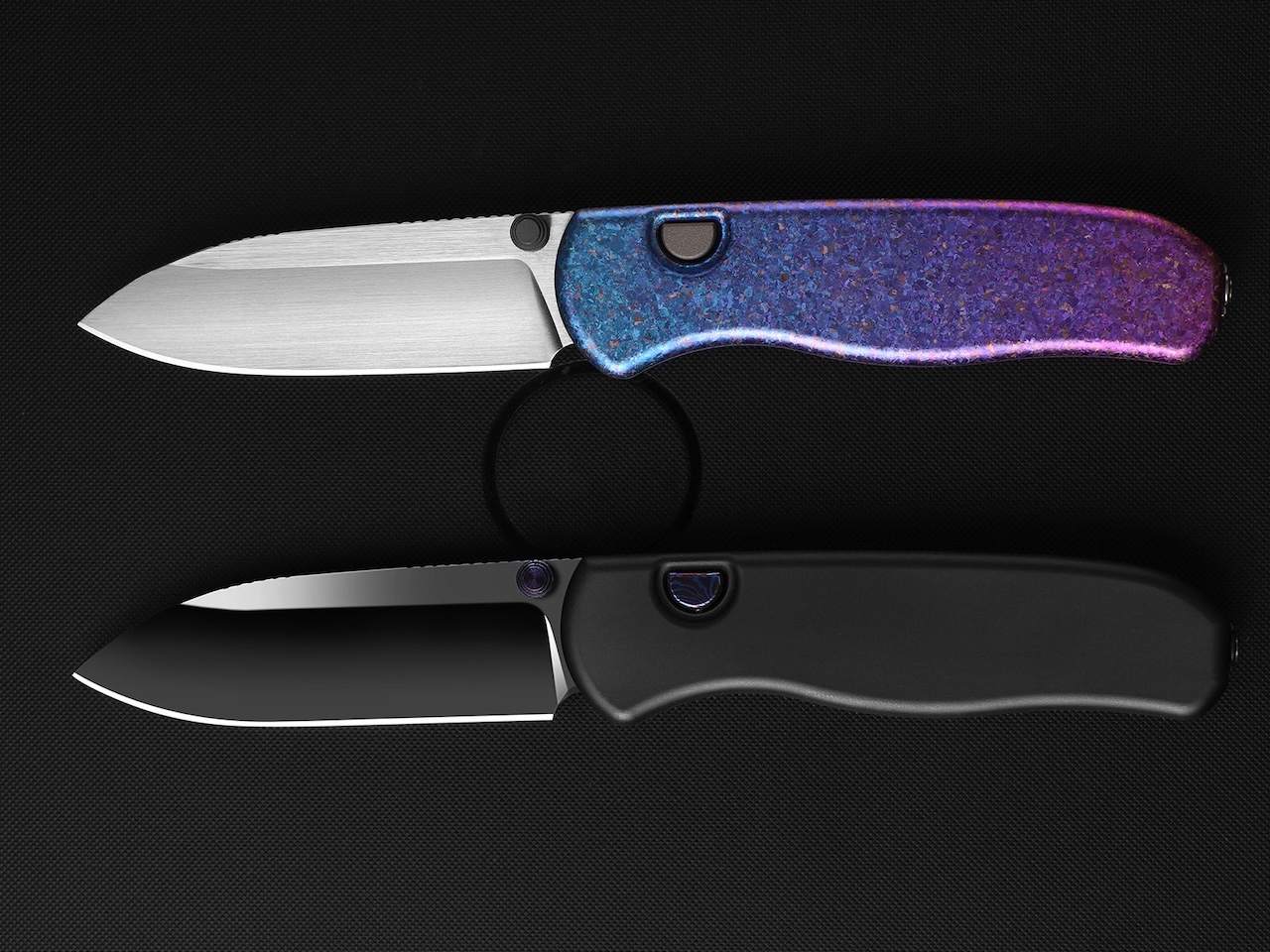
Most knife companies charge a premium for clean design. Strip the hardware, hide the pivot, smooth out every line, and the price climbs because making things look simple costs more than leaving screws visible. Kizer took that logic and inverted it with the Drop Bear Zero, a minimalist EDC knife that looks like it belongs in a $250 display case but starts at $120, and the materials backing up that minimalist shell don’t cut corners to hit the number. The value equation here feels almost miscalculated in the buyer’s favor.
Price: From $119.95
Where to Buy: Kizer
What makes the Zero different from every other Drop Bear isn’t the blade shape or the lock type. It’s what you don’t see. The original Drop Bear built its following on a fidget-friendly crossbar lock with exposed hardware, and the Drop Bear 2 leaned further into that with a button compression lock. The Zero strips everything back. The show side carries zero visible hardware: no exposed pivot, no liner screws, no standoff posts breaking up the surface.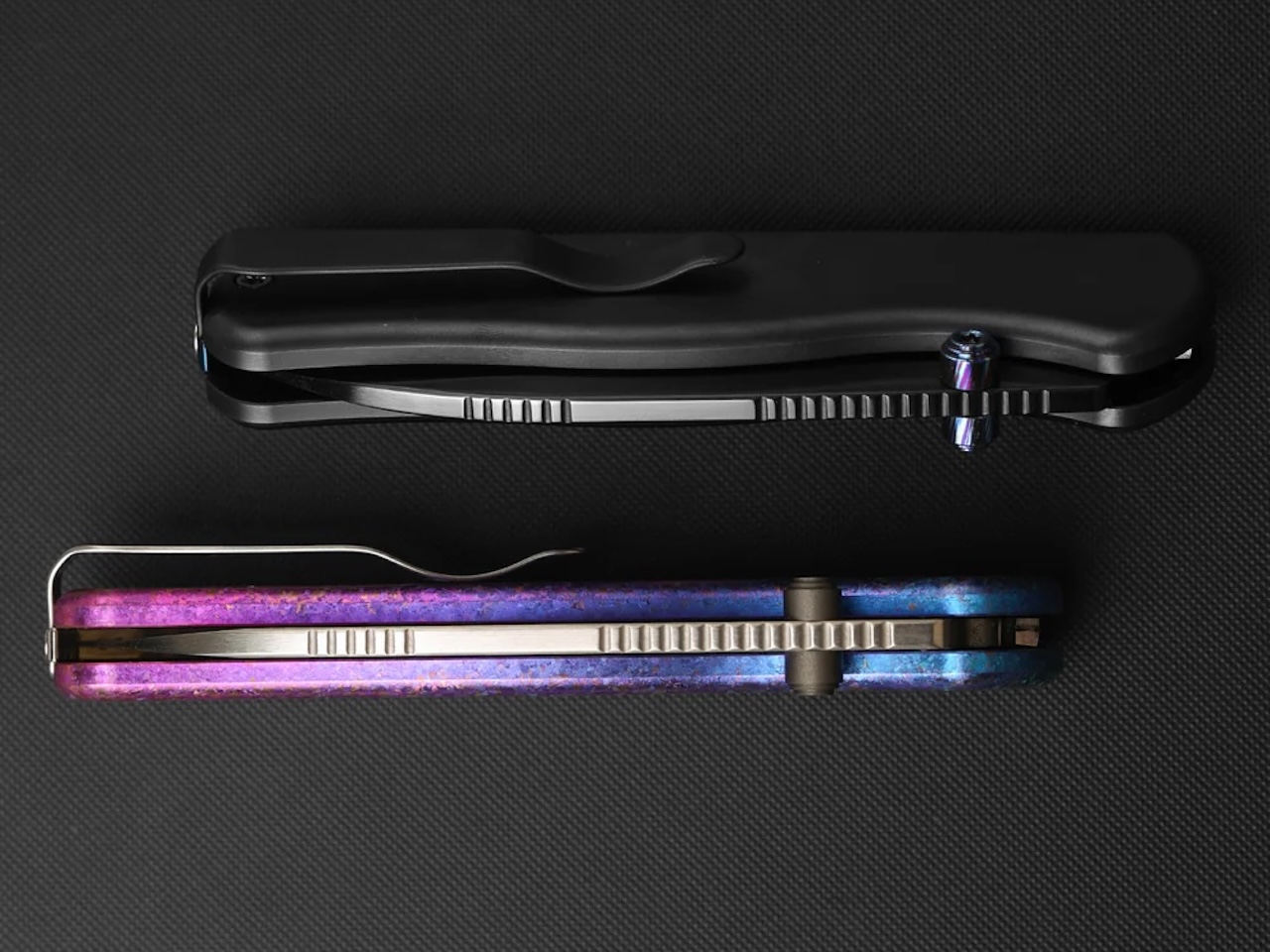
You get a smooth aluminum or titanium panel that runs clean from the thumb stud to the pocket clip, and the overall effect reads closer to a custom piece than a production folder. Kizer’s design partner Azo prioritized visual restraint, and the result is a knife that photographs well but feels even better when you actually pick it up. The handle contours catch your palm naturally, and the 3.48-ounce carry weight sits right where you register the knife’s presence without it becoming a distraction.
Add The Gadgeteer on Google Add The Gadgeteer as a preferred source to see more of our coverage on Google.
ADD US ON GOOGLE
What disappears when you strip the hardware
The screwless show side isn’t purely cosmetic. Removing visible hardware means fewer snag points in the pocket, a smoother draw, and one less thing to loosen over time. You notice the difference immediately when the knife slides out without catching on fabric.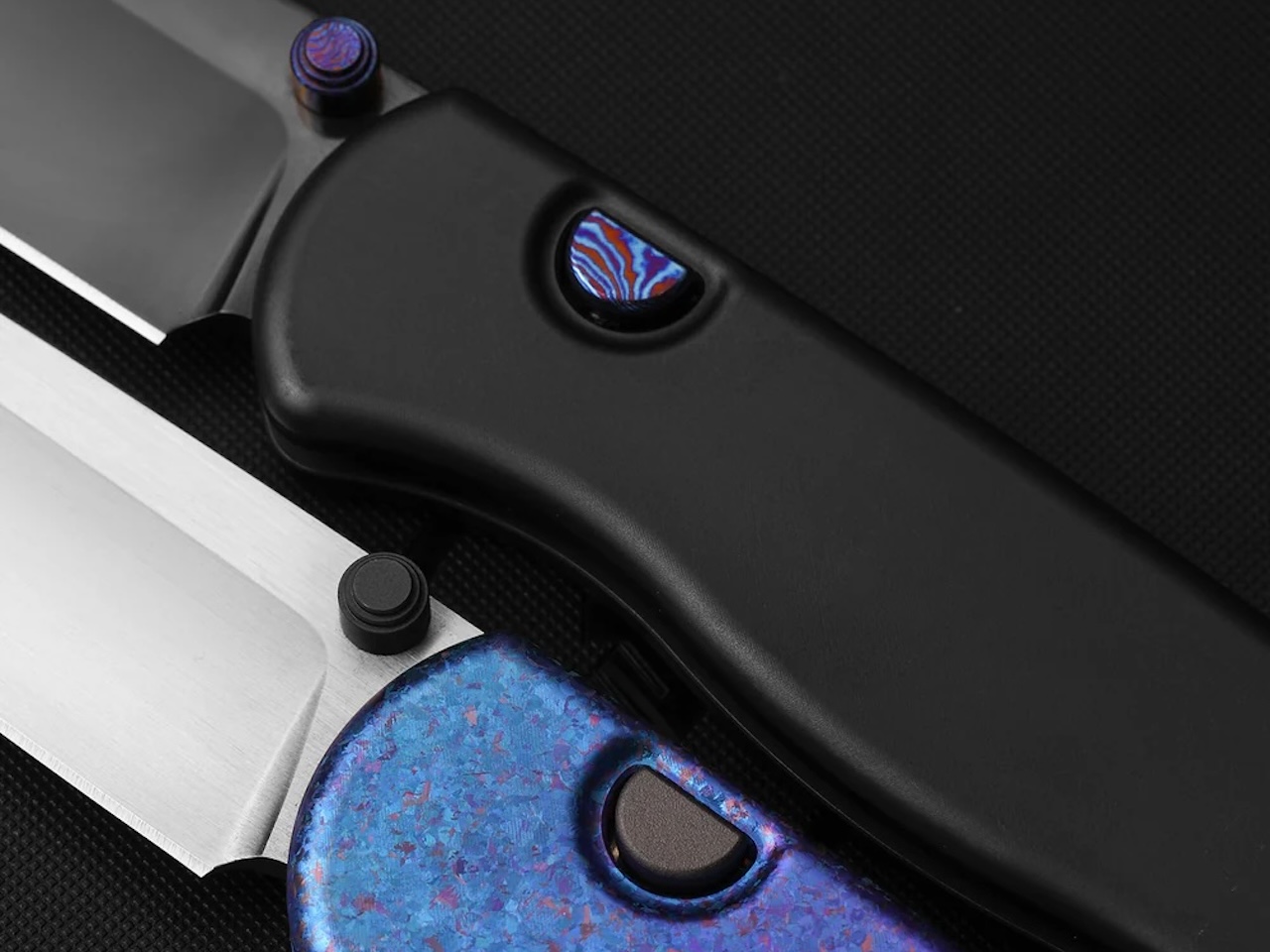
The hidden pivot sits behind the scales on the lock side, accessible for maintenance without disrupting the clean presentation face. Kizer routed the assembly so adjustment stays possible without full disassembly. That’s a smart choice because hidden pivots on cheaper knives sometimes trap you when the action needs tuning. If you look at the lock side closely, the only visible elements are the button and a single tail screw. Everything else folds into handle geometry.
The handle tapers gently toward both ends, filling the hand without adding bulk. Aluminum versions keep the weight at 3.48 ounces, light enough for all-day carry without the featherweight compromises of FRN handles. The surface is smooth rather than aggressive, so it won’t chew up pocket linings the way knurled titanium or textured G10 tends to over months. The bayonet-style clip reverses for left or right-hand carry, tip-up, keeping the knife deep enough that it barely shows above the pocket line. Closed at 4.13 inches, it works in dress pants and shorts equally well.
M390 at this price doesn’t add up
Böhler M390 has spent years as the benchmark for premium production knife steel, the grade that separates mid-range folders from the knives serious EDC collectors actually chase. Finding it on a $120 knife normally means something else got sacrificed. The Drop Bear Zero doesn’t reveal those trade-offs. The hollow grind brings the edge thin enough for clean slicing while the 0.12-inch blade stock maintains spine strength for heavier tasks.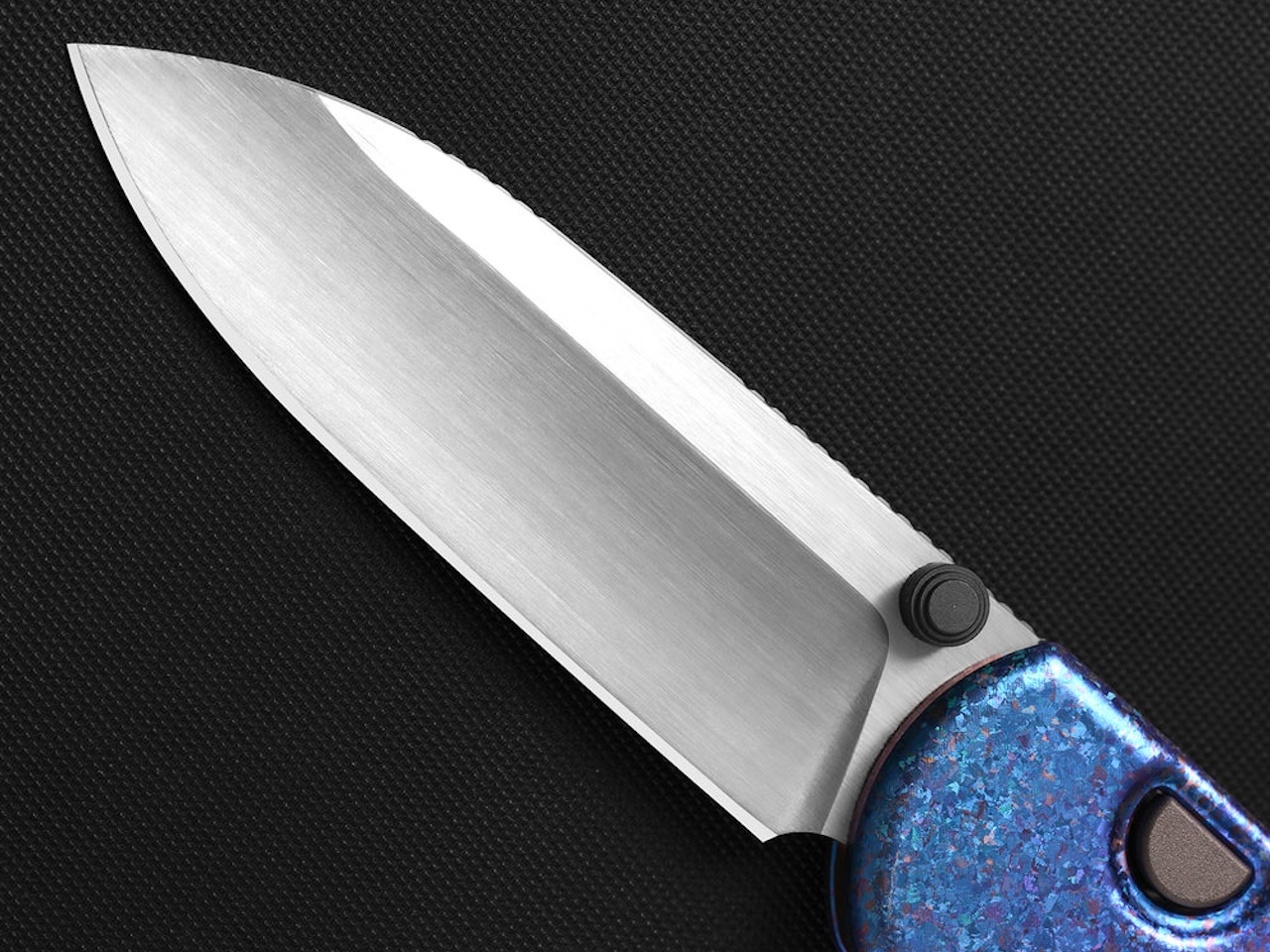
Hardness sits at 59 to 60 HRC, the standard window for M390. The Elmax option on alternate configurations offers slightly better toughness at the cost of marginal edge retention, giving buyers a genuine choice between two super steels rather than a premium and budget tier disguised as options.
The DLC Ultra coating on the black blade versions adds another layer that shouldn’t exist at $130. DLC increases surface hardness, reduces friction during cuts, and protects the finish from scratches that accumulate fast on satin surfaces. It’s the kind of upgrade that typically bumps a knife into the next pricing bracket, not something sitting $10 above the base model.
Button liner lock and what it changes
Kizer’s Button Liner Lock is a patented mechanism combining button lock convenience with liner reinforcement. Press the button, the liner disengages, the blade swings free. It keeps your fingers completely clear of the blade path during closing.
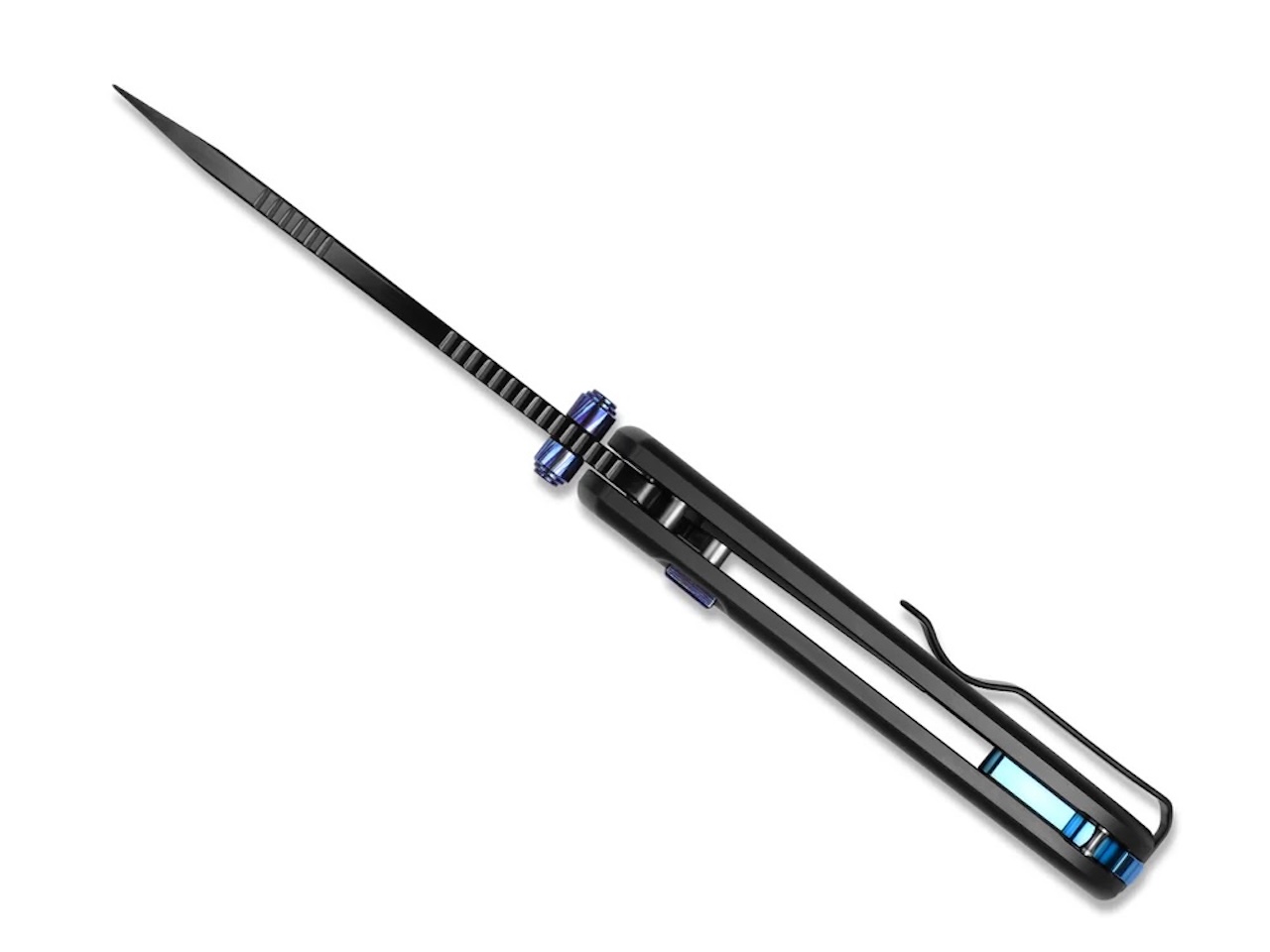
Standard button locks rely on a single contact point. Kizer’s version adds the liner element, creating secondary engagement that strengthens lockup without making the release harder. If you’ve used Benchmade’s AXIS lock, the one-handed operation feels immediately familiar. The Drop Bear Zero deploys via ambidextrous thumb studs that sit flush with the blade spine, and the action on fresh units runs smooth enough for confident one-handed deployment.
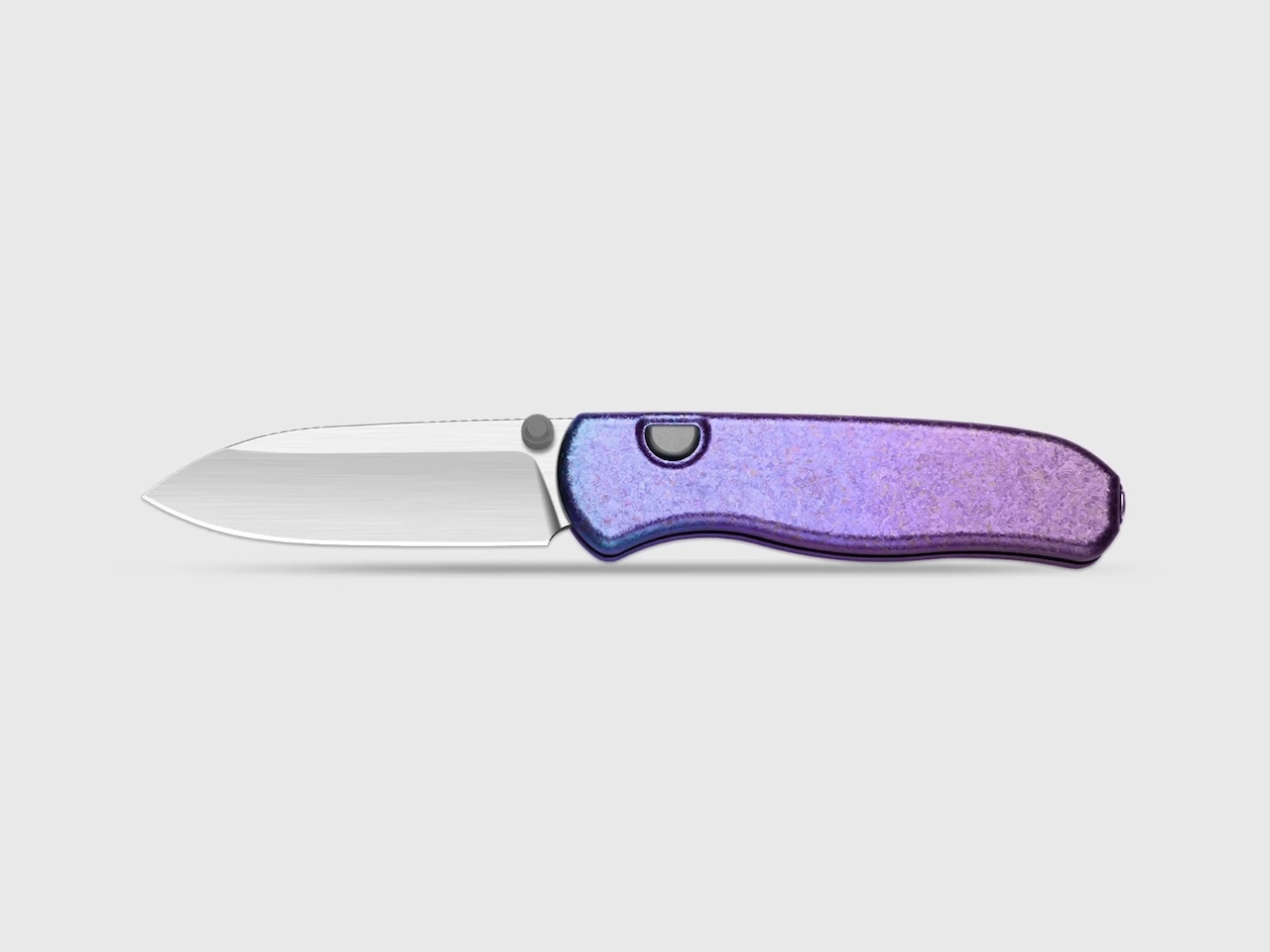
The 3.10-inch drop point blade is the most practical profile in EDC for good reason. Enough belly for slicing, a strong tip for detail work, and balanced geometry that handles everything from cardboard to food prep. Where this lock pays off most is one-handed closing: press the button, let gravity bring the blade home, no risk of fingers crossing the blade path. Blade centering sits dead center on closed units, confirming lock geometry and pivot alignment are working properly.
Price: From $119.95
Where to Buy: Kizer
Six configurations
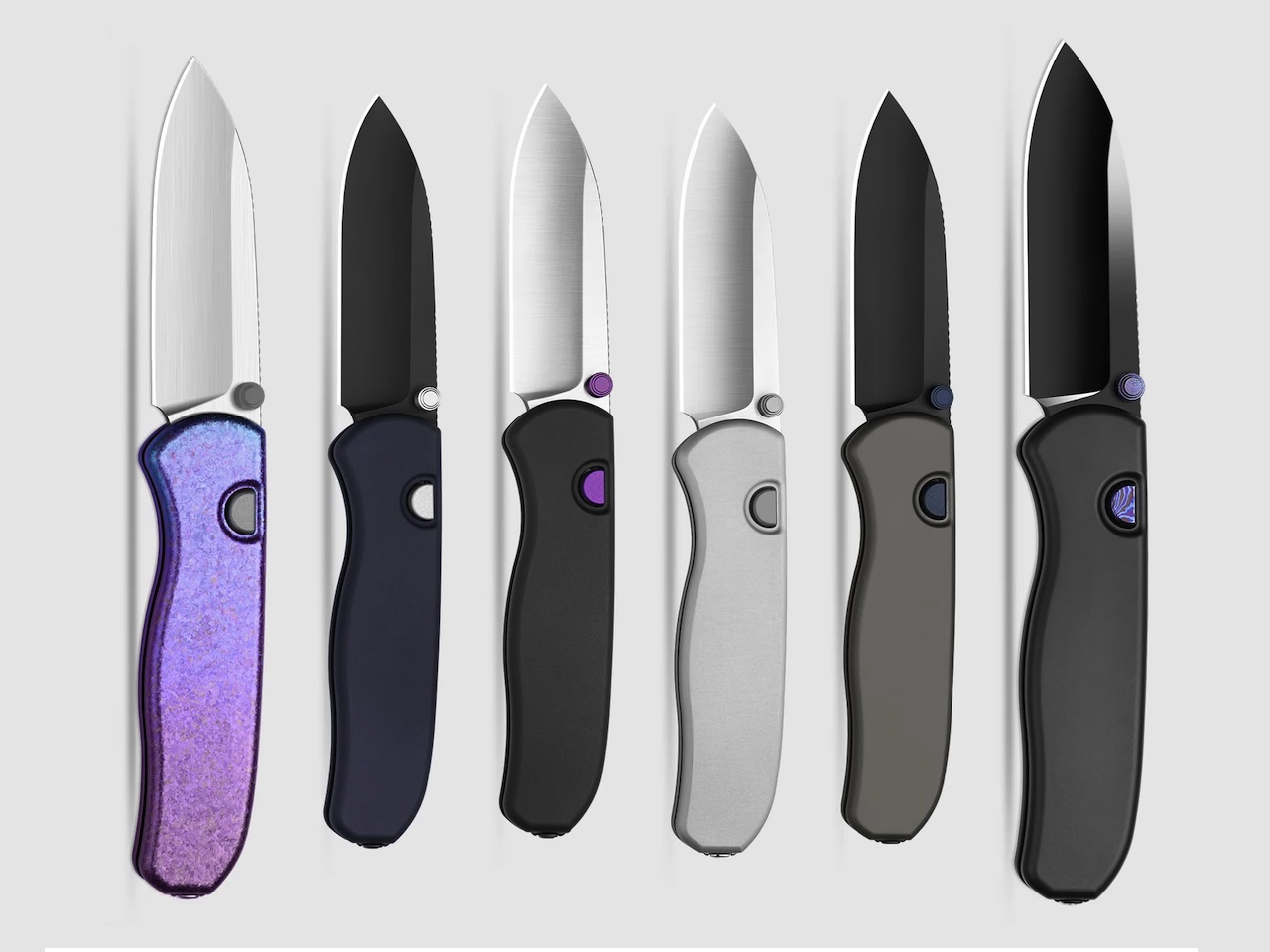
Kizer launched six configurations spanning two steels, three finishes, and two handle materials. Aluminum starts at $119.95 (satin) and $129.95 (DLC Ultra). Titanium jumps to $189.95 and $199.95. The four aluminum models come in dark gray, dark blue, black, and light gray across Elmax and M390 pairings. Titanium versions feature crystallized titanium with hand-brushed Elmax or DLC titanium with polished DLC Ultra M390. Weight jumps from 3.48 to 4.29 ounces between materials, a difference you’d feel across a full workday.
Love our content?
Sign up for our newsletter today.
No ads, no spam, just links to our latest articles!