

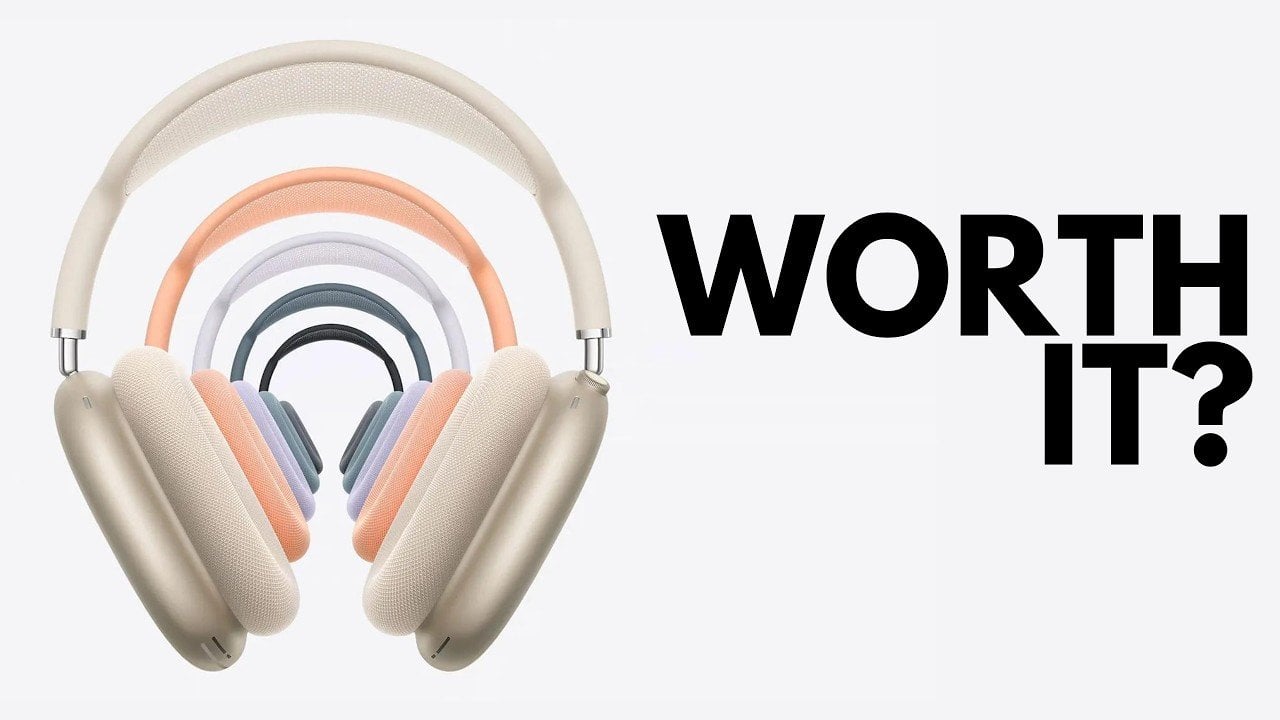
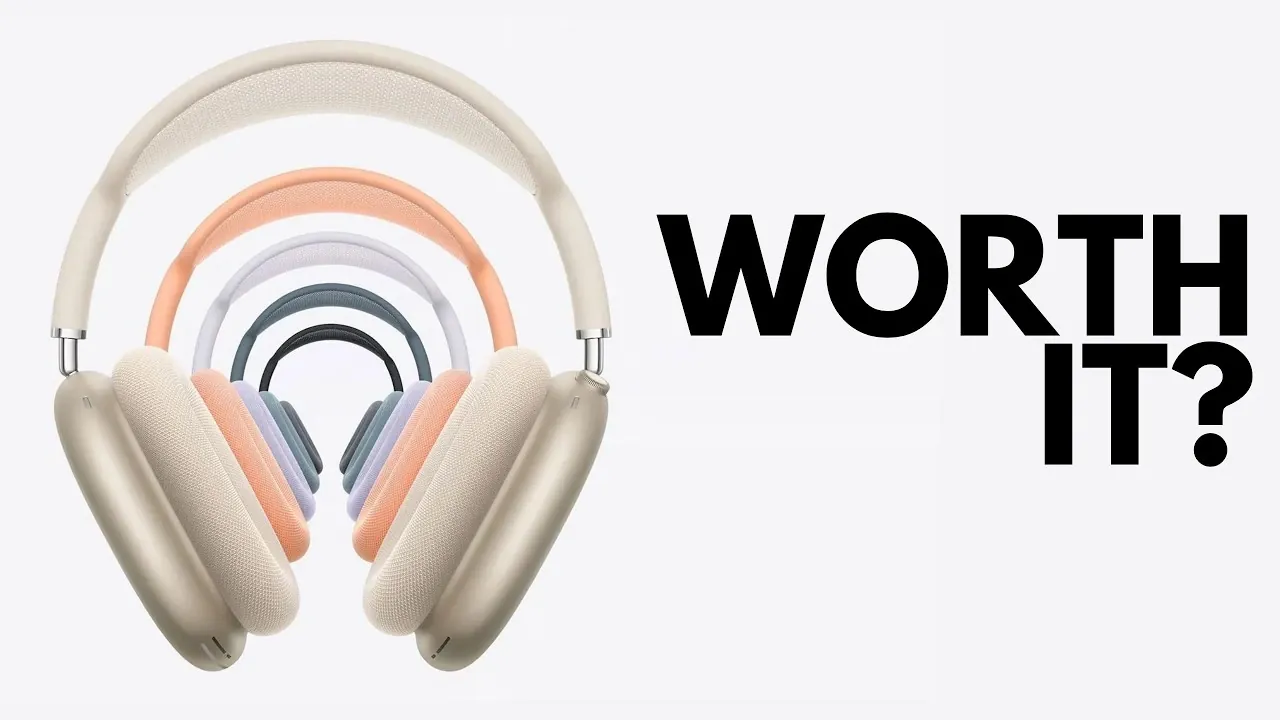
Apple has officially launched the AirPods Max 2, marking a significant update to its premium over-ear headphones. With a focus on enhanced audio performance and advanced features, this new iteration aims to solidify its position as a top-tier choice for audiophiles and Apple enthusiasts alike. However, with a steep $549 price tag and minimal changes to its design, the question remains: do these upgrades truly justify the investment? The video below from SaranByte gives us more details.

H2 Chipset: The Powerhouse Behind the Features
At the heart of the AirPods Max 2 lies the new H2 chipset, which drives a range of features designed to elevate the listening experience. This advanced processor introduces several key enhancements:
- Adaptive Audio: Dynamically adjusts sound levels based on your environment, making sure an optimal listening experience in any setting.
- Conversation Awareness: Automatically enhances voice clarity during interactions, allowing you to seamlessly switch between music and conversations.
- Voice Isolation: Filters out ambient noise during calls, making sure your voice comes through clearly.
- Personalized Volume: Learns your listening habits over time to tailor playback levels to your preferences.
The H2 chipset also improves active noise cancellation (ANC) and spatial audio, delivering a more immersive and precise soundstage. These advancements make the AirPods Max 2 a compelling option for those seeking innovative audio technology, though they may appeal most to users who prioritize premium sound quality and seamless integration within the Apple ecosystem.
Audio Quality: A Leap Forward for High-Fidelity Sound
The AirPods Max 2 introduces a high dynamic range amplifier, which delivers cleaner sound with reduced distortion. This improvement is complemented by the addition of 24-bit/48kHz lossless audio support, offering studio-quality sound when paired with compatible Apple devices. For audiophiles, these features represent a significant step forward, providing a richer and more detailed listening experience.
However, for casual listeners, the difference in audio quality may not be as noticeable. While the upgrades cater to those with a keen ear for detail, the average user might find the improvements less impactful, especially when compared to more affordable alternatives in the market.
Battery Life: Room for Improvement
Despite its technological advancements, the AirPods Max 2 retains the same 20-hour battery life as its predecessor. While this is sufficient for most daily use scenarios, it falls short when compared to competitors’ offering longer playback times. For frequent travelers or users who prioritize extended listening sessions, this limitation could be a drawback.
Given the premium price point, the lack of improvement in battery performance feels like a missed opportunity, especially as other brands continue to push the boundaries of battery efficiency in over-ear headphones.
Design and Connectivity: Familiar Yet Limited
Apple has chosen to retain the original design of the AirPods Max, including the polarizing “smart case”, which has faced criticism for its impracticality. The lack of new color options further underscores the minimal design changes, leaving some users disappointed if they were hoping for a refreshed aesthetic.
On the connectivity front, the AirPods Max 2 supports Bluetooth 5.3, making sure stable and efficient wireless performance. However, the absence of Bluetooth 6, a standard expected to become more prevalent in the coming years, raises concerns about the device’s long-term relevance. While the current connectivity is reliable, the lack of future-proofing may deter some potential buyers who prioritize longevity in their tech investments.
Unique Features: A Niche Appeal
One of the more distinctive additions to the AirPods Max 2 is the ability to use the digital crown as a remote for controlling photo and video capture on Apple devices. This feature adds convenience for content creators and casual users, offering a seamless way to interact with their devices.
While innovative, this functionality does not directly enhance the core audio experience and is unlikely to sway buyers who are primarily focused on sound quality. It remains a niche feature that may appeal to a specific subset of users but is unlikely to be a deciding factor for most.
Pricing and Target Audience: A Premium Proposition
With a price tag of $549, the AirPods Max 2 remains one of the most expensive options in the over-ear headphone market. While the upgrades are meaningful, they may not be enough to justify the cost for those who already own the first-generation model or are considering alternatives.
The AirPods Max 2 is clearly targeted at a niche audience of audiophiles and dedicated Apple users who value seamless integration within the Apple ecosystem. For the average consumer, alternatives from brands like Sony and Bose offer comparable quality at a lower price point, making them a more practical choice.
Final Thoughts: Balancing Innovation and Practicality
The AirPods Max 2 delivers notable improvements in audio quality and functionality, thanks to the H2 chipset and features like adaptive audio and lossless playback. However, its unchanged design, limited battery life, and high price make it a challenging proposition for all but the most loyal Apple enthusiasts.
While it represents a step forward in Apple’s audio technology, the AirPods Max 2 struggles to justify its premium positioning in an increasingly competitive market. For most users, exploring alternatives or opting for the more affordable AirPods Pro may offer a better balance of features, performance and value.
Below are more guides on AirPods Max 2 from our extensive range of articles.
Source & Image Credit: SaranByte
Filed Under: Apple, Gadgets News, Top News
Disclosure: Some of our articles include affiliate links. If you buy something through one of these links, Geeky Gadgets may earn an affiliate commission. Learn about our Disclosure Policy.