

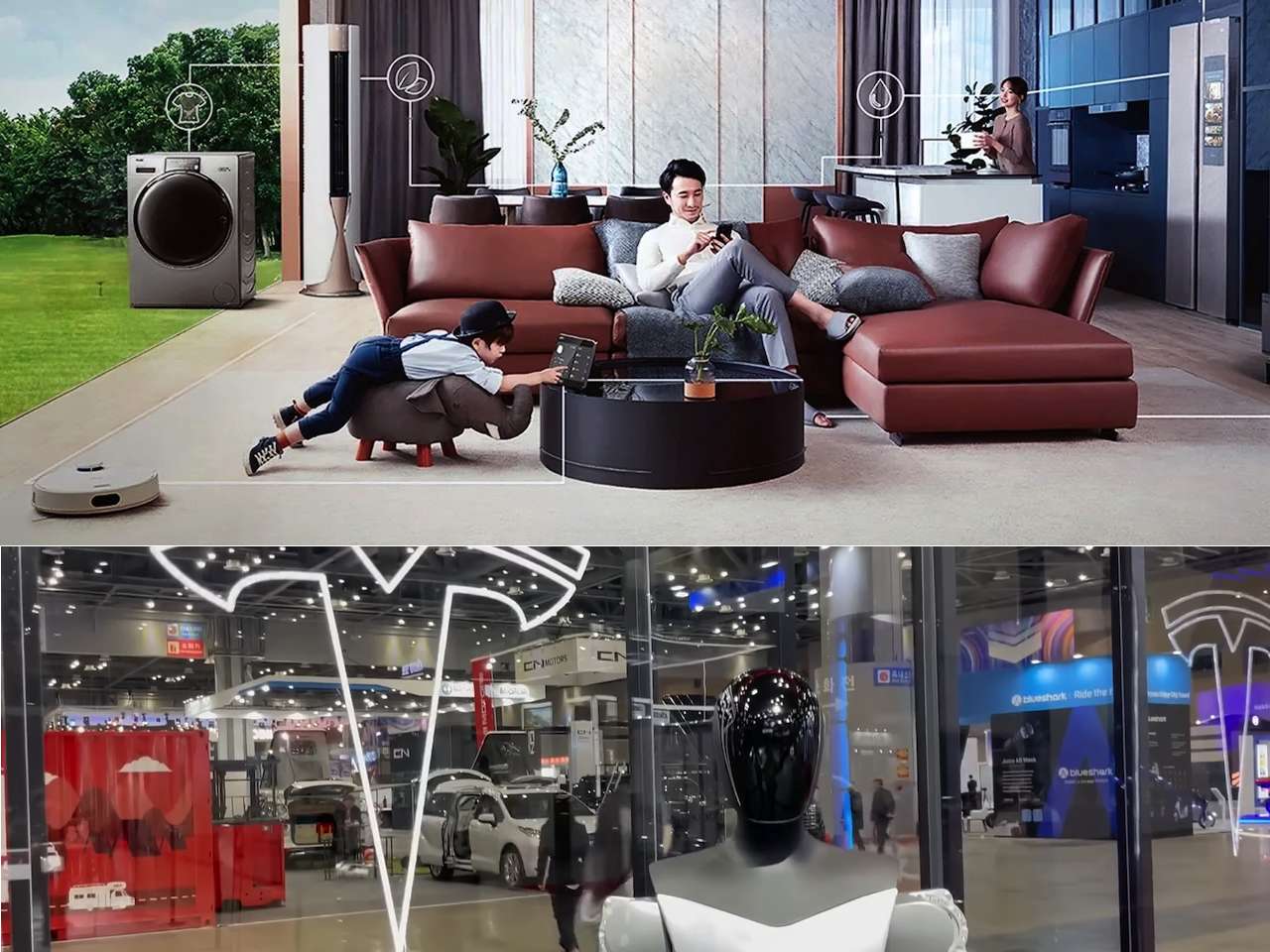
 Every major appliance expo promises the future, but most of what you see on the show floor stays there. AWE 2026 felt different. The Appliance & Electronics World Expo ran March 13 through 15 at the Shanghai New International Expo Centre, pulling in over 1,200 brands across 170,000 square meters. The theme was “Smart AI, Smarter Future,” and what caught our attention wasn’t the scale. It was how many companies showed up with products that didn’t need a disclaimer about shipping timelines.
We weren’t on the ground in Shanghai , but the products and tech on display still hit. Even from a distance, the lineup got us genuinely excited, and we’re looking forward to learning more about these products or getting hands-on time with them once they make it stateside.
So, which of these products will still matter once the booth lights go dark?
Add The Gadgeteer on Google Add The Gadgeteer as a preferred source to see more of our coverage on Google.
ADD US ON GOOGLE
1. Tesla Optimus Gen 3
Tesla’s third-generation humanoid robot turned heads at AWE 2026, and it comes with a price target that changes the conversation: between $20,000 and $30,000 per unit. Manufacturing is scheduled to begin in 2026, with a long-term capacity target of one million units per year. Elon Musk indicated at the World Economic Forum that the robot could reach public sale by the end of 2027. That timeline alone separates Gen 3 from every other humanoid robot on the expo circuit.
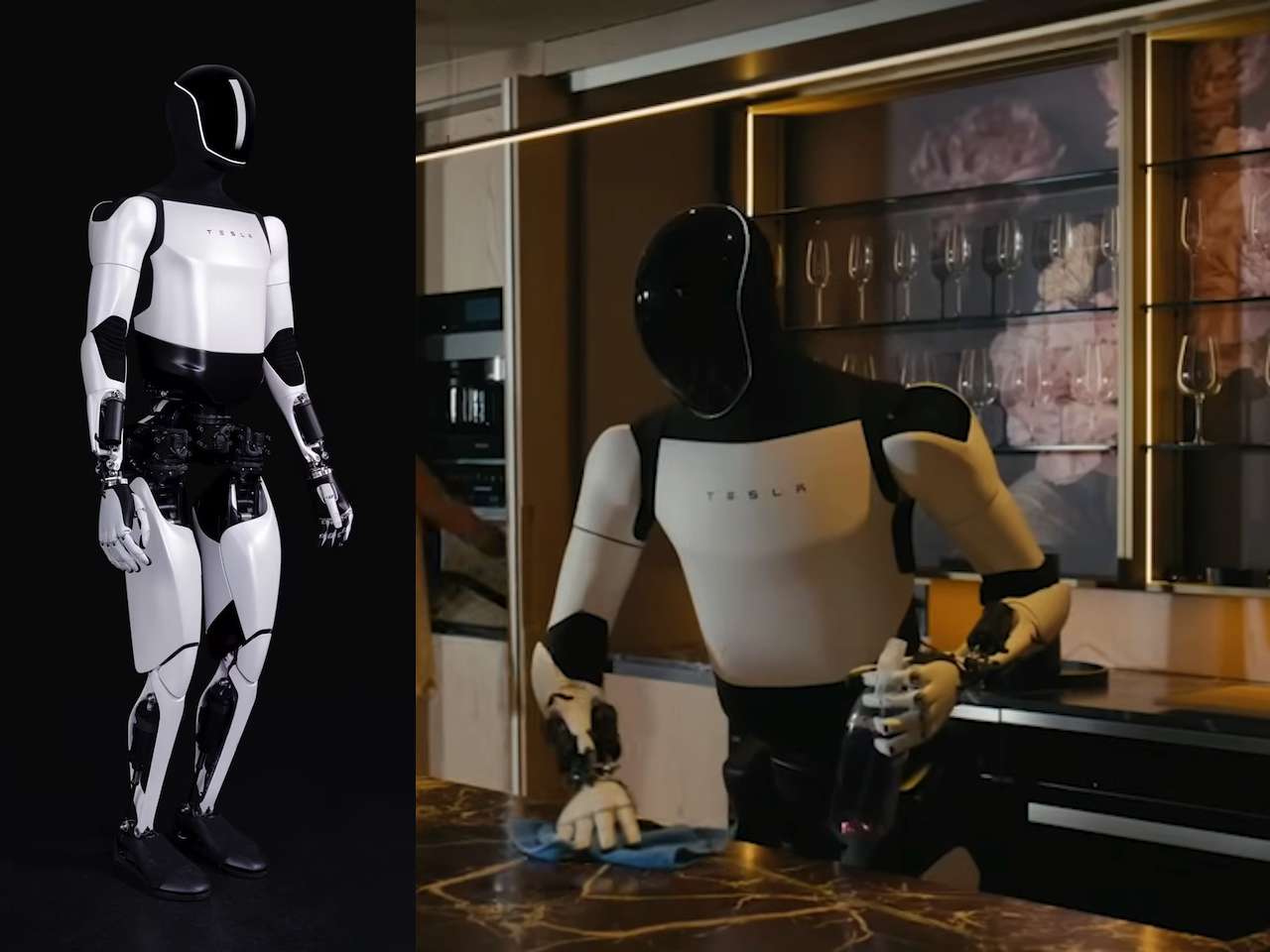
Tesla teased images on Weibo ahead of the show, and the finger joints look uncomfortably close to human anatomy. Based on show floor footage, the dexterity looks like it matches the marketing. The Gen 3 model can learn new skills by observing human behavior, a capability Tesla says it redesigned from first principles. Musk confirmed during a January earnings call that Tesla would end production of the Model S and Model X specifically to free up factory space for Optimus. The display unit wasn’t final, but this felt less like a concept tease and more like a countdown.
2. Haier Seeker series with AI Eye 2.0
Haier didn’t bring a single hero product. The company brought an entire house. Across brands including Casarte, Leader, and Fisher & Paykel, Haier built full living spaces running on the upgraded AI Eye 2.0 platform. The Seeker series is built around appliances that understand their physical environment without being told what to do. Washing machines identify fabric types. Refrigerators track stored food and flag expiration. Air conditioners adjust based on who’s in the room. The Seeker suite earned L4-level smart home appliance certification from the China National Household Appliance Quality Supervision and Testing Center, and won the “Full-Scenario AI Intelligent Agent Gold Award” at the 2026 AWE Aipulan Awards as the only suite product in the category.
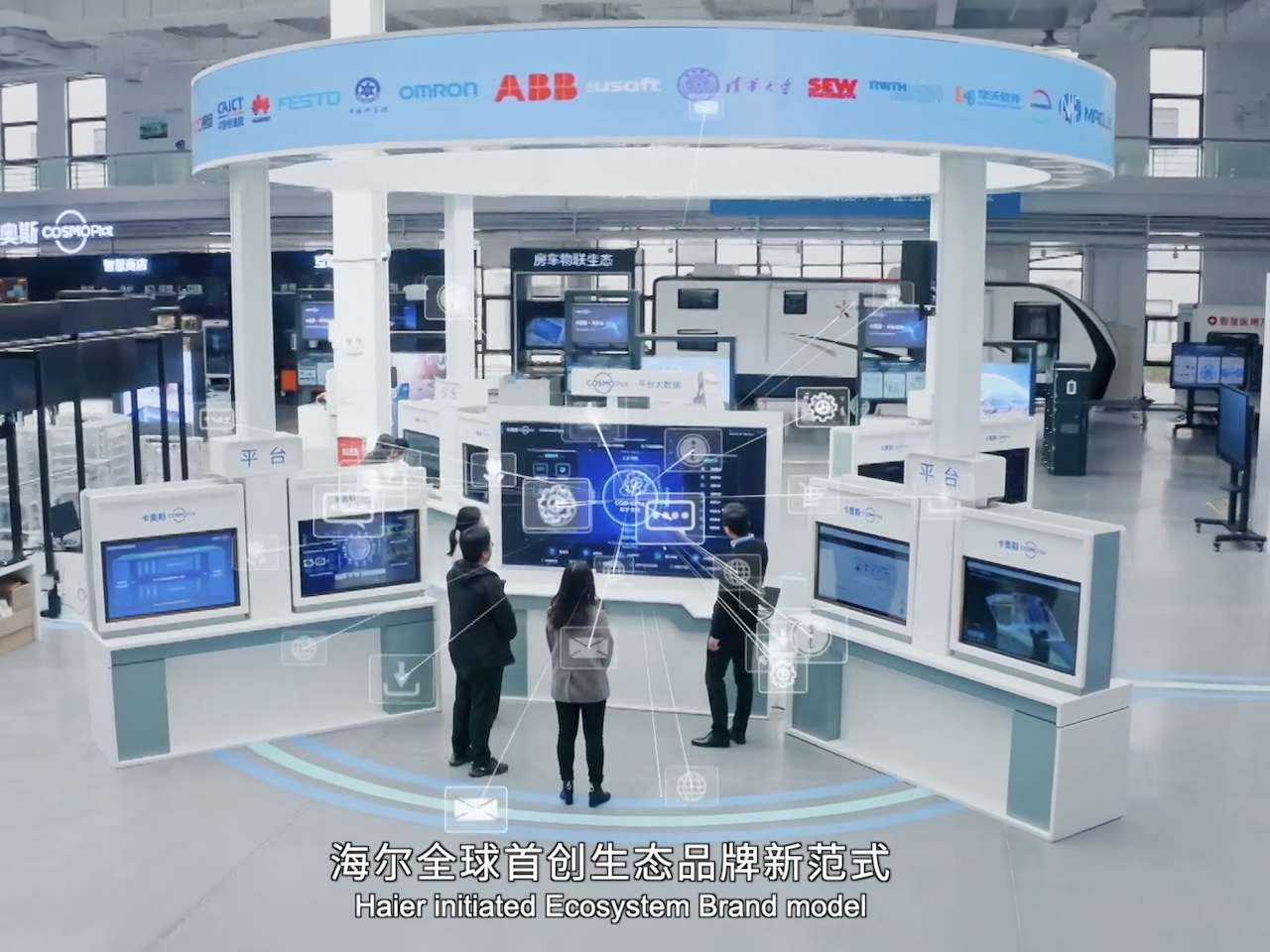
Haier’s smart home brain connects every appliance in the ecosystem, letting them share data and adjust collectively. The pitch is “unmanned housework,” and while the gap between demo and daily reality is always wider than any expo booth suggests, the certification milestone gives the Seeker series a measurable credential competing platforms haven’t matched.
3. Hisense Savvy home robot
Hisense took a quieter approach than you’d expect from a company that usually leads with displays. Savvy is a home robot designed to roam through a connected home and manage smart appliances on behalf of the people living there. The backbone is the Xinghai AI model working alongside DeepSeek technology, connecting refrigerators that detect stored food, washing machines that select cycles by clothing type, and air conditioners that respond to real-time room conditions.
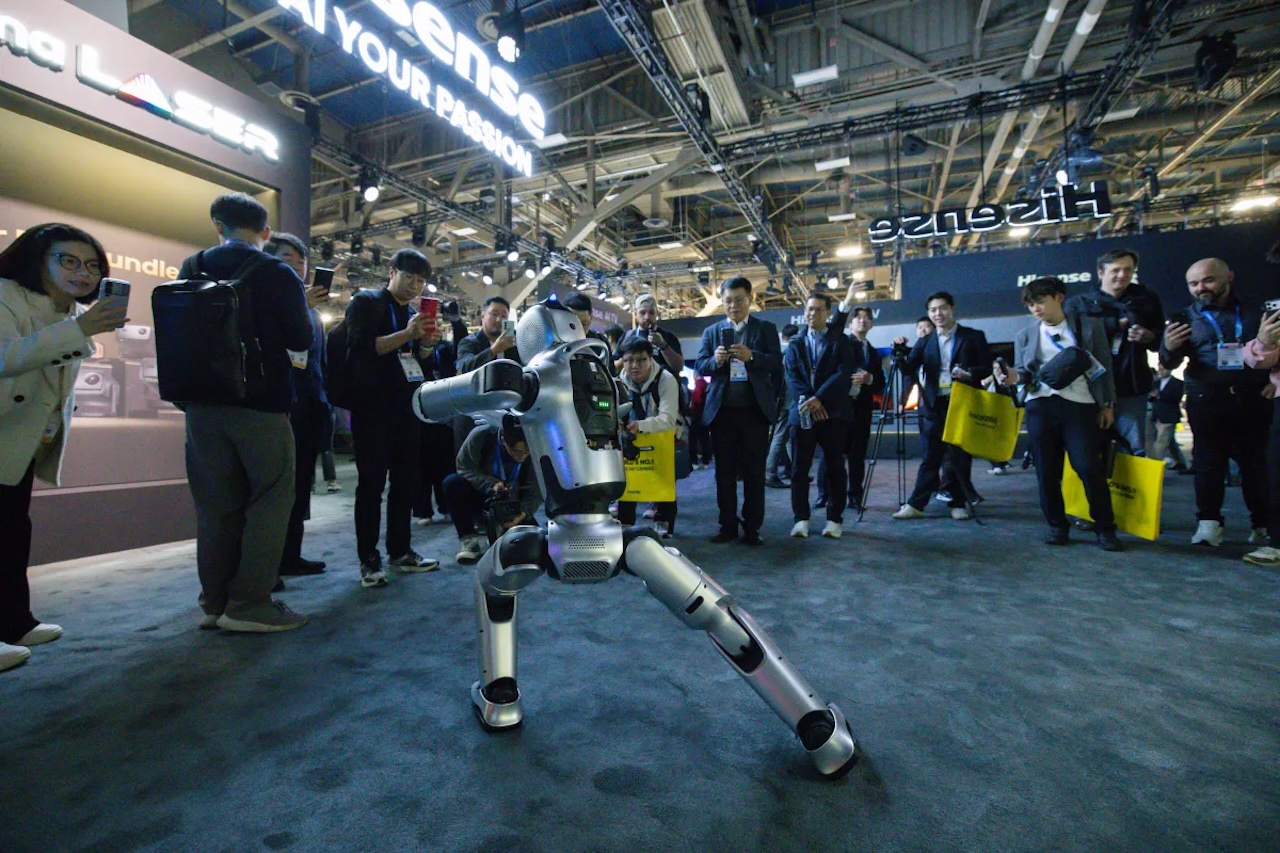
Savvy sits on top of that network as a mobile interface, bridging the gap between fixed appliances and the humans using them. In a demo setting, that kind of mobility makes the ecosystem feel more alive than any wall-mounted control panel.
4. Huawei HarmonyOS 1+3+N
Huawei occupied 3,200 square meters to demonstrate how HarmonyOS turns a home into a connected system. The “1” is the new Smart Host X2 Pro, a local computing hub running flagship smartphone-grade silicon for faster response times without cloud dependency. The “3” covers touch, voice, and “sensation-free” interaction, where AI Ultra-Sensing sensors detect a person’s presence and adjust lighting, airflow, and temperature automatically. Huawei’s voice assistant Xiaoyi, now running on HarmonyOS 6.0, handles multi-step commands in a single breath. Tell the system you’re going to bed, and it dims the lights, closes the blinds, and sets the AC in one pass.
The “N” represents over 3,200 partner brands and 400 product categories, with 47 million devices now running HarmonyOS across its broader device ecosystem. Huawei also debuted Wi-Fi 7+ powered by its HiSilicon Lingxiao 760 series chips, featuring Dynamic Narrow Bandwidth for weak connections, True Dual-Band Concurrency for stable routing, and Dual-Band Seamless Roaming for smooth handoffs. A smart home is only as good as its network, and Huawei clearly agrees.
5. MOVA Infinite Smart Universe
MOVA, best known for its robot vacuum lineup, expanded its AWE footprint sixfold, and the 768-square-meter “Infinite Smart Living Pavilion” told the story of a brand in transformation. What started as a smart cleaning company now spans 20 product lines covering cleaning, kitchen appliances, consumer electronics, and eVTOLs. The headline product is the Pilot 70, a robot vacuum that solves the stair problem by integrating a drone and transport module to airlift the vacuum to upper floors, balconies, or sunrooms. It’s a wild solution to a mundane problem, and that contrast is hard to walk past.
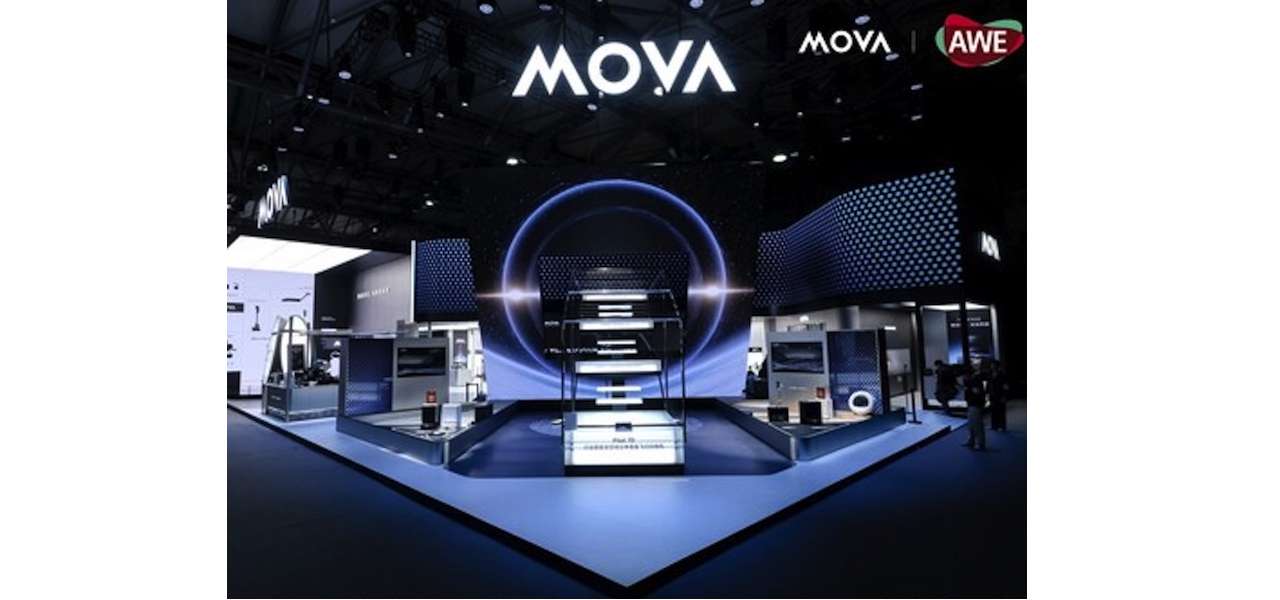
MOVA also unveiled the Z70 Pro vacuum with InfiniteEye object-labeling technology, and the X60 Ultra Steam floor washer with a 200-degree Celsius steam and 90-degree hot water dual-mode system. The Immersive Tech Pavilion pushed even further with a 12-nozzle 3D printer, a solar power system, and eVTOL displays. Whether the ecosystem ambition pays off depends on execution, but the breadth was genuinely impressive for a brand most people still file under “cleaning.”
6. Xiaodu full AI companion lineup
Xiaodu, the smart device brand under Baidu, made its first full product showcase at AWE 2026. Smart speakers, smart displays, companion robots, and AI glasses all sat under one roof. The Xiaodu AI Glasses Pro stood out for practical reasons: first-person recording, real-time translation, and meeting transcription in a frame that weighs about the same as standard glasses. The companion robots are smaller, personality-driven devices designed to interact with family members and manage connected devices through conversation, powered by Baidu’s Ernie foundation model for interactions that feel less scripted than a basic smart speaker.
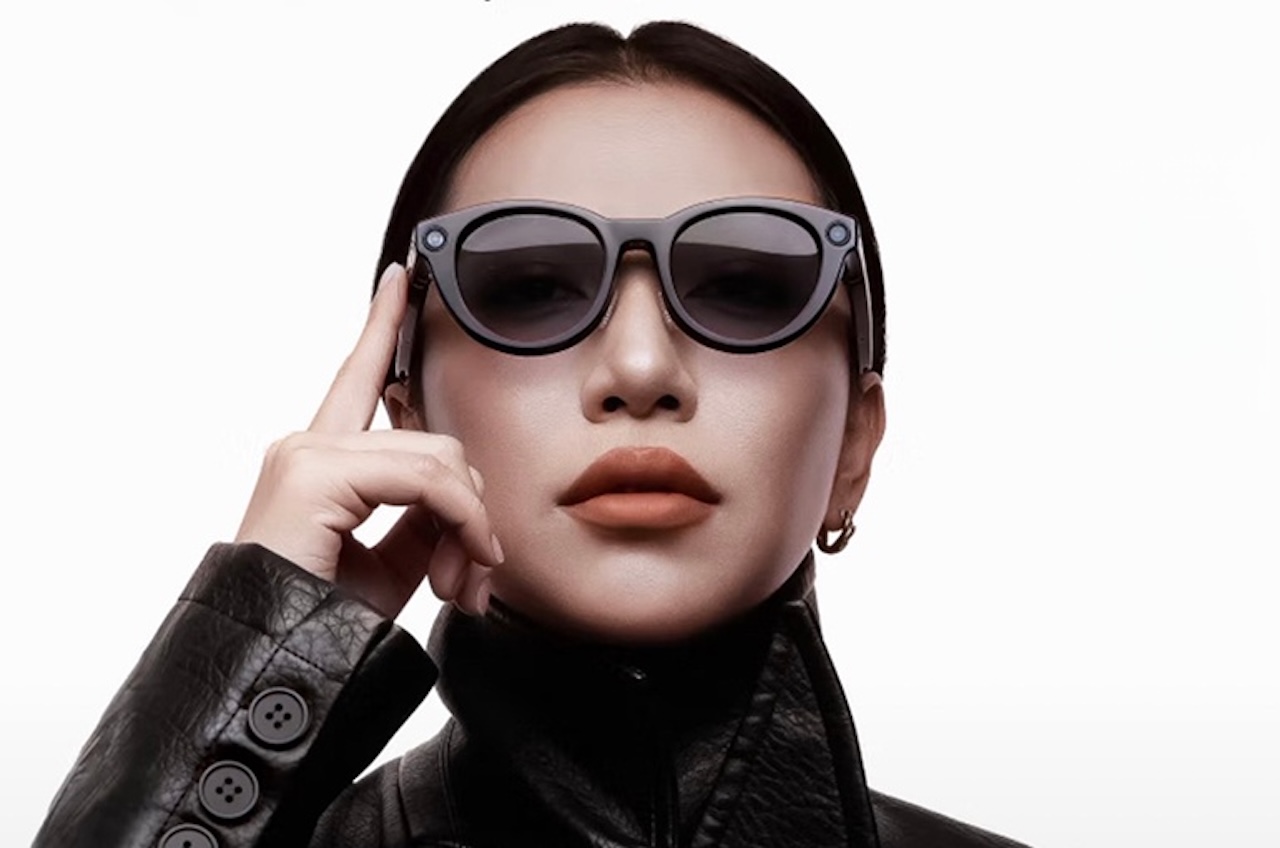
What makes this showing notable is the completeness. Most AI companion brands arrive with one hero product and a promise. Xiaodu brought speakers, screens, glasses, and robots all functioning within the same ecosystem, all powered by the same AI. That coherence is rare at a trade show where most booths feel like prototypes searching for a thread.
Who this is for
AWE 2026 is worth watching even if you never set foot in Shanghai. Tesla’s Optimus Gen 3 has a factory slot. Haier’s Seeker series has government certification. Huawei’s broader ecosystem runs on 47 million devices. The gap between “trade show demo” and “available product” is narrower here than at most expos, and these companies are betting AI-driven homes will be the default within a few years.
Who should skip this
If you want products you can order today, most of these aren’t there yet. Tesla’s robot is pre-production. MOVA’s drone-vacuum combo lacks confirmed global pricing. Huawei’s ecosystem is deepest in China. If your smart home needs are basic, a connected light bulb and a voice assistant will keep working fine without a central computing hub.
Love our content?
Sign up for our newsletter today.
No ads, no spam, just links to our latest articles!