

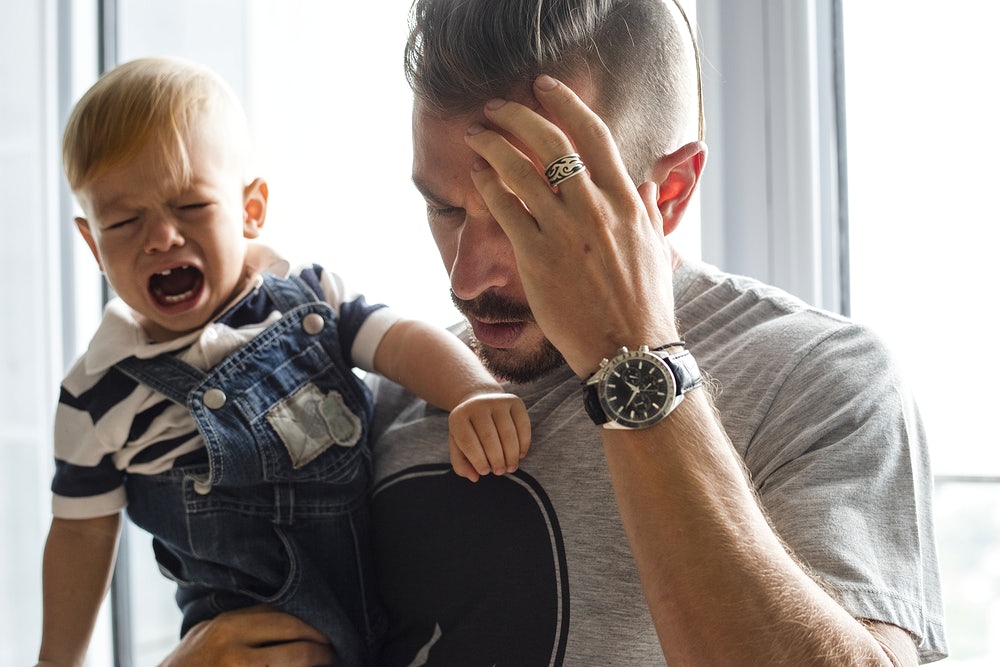
Psychosis can profoundly reshape family life, particularly when it affects parents trying to care for their children. New research examining the experiences of fathers who have lived through psychotic episodes suggests the condition can disrupt parenting while also strengthening emotional bonds in unexpected ways. The findings was published in the Psychreg Journal of Psychology.
The research explored how fathers understand their role as parents while living with psychosis, a severe mental health condition that affects a person’s perception of reality. Symptoms can include hallucinations, delusional beliefs, and difficulties organising thoughts and behaviour, which may make everyday responsibilities far harder to manage.
Four Greek fathers who had experienced at least one psychotic episode and had at least one child took part in the study. Their accounts were analysed using interpretative phenomenological analysis, a qualitative method designed to explore how people make sense of their lived experiences.
Psychosis affects about 1% of the population, yet much of the research has focused on clinical symptoms and treatment rather than family life. Fathers have received particularly little attention, even though many are navigating parenting while managing serious mental health challenges.
The fathers in the study described the onset of psychosis as a turning point that reshaped their daily lives. Hallucinations and delusional beliefs created intense fear and confusion, sometimes leaving them unable to work, socialise, or trust the people around them.
These symptoms also affected family relationships. Some participants said that during severe episodes they withdrew emotionally or struggled to remain present in their children’s lives, as the internal experience of psychosis dominated their attention.
At times, the fathers reported losing a sense of control over their thoughts and decisions. The study suggests that this loss of agency can make it extremely difficult to maintain normal parental responsibilities or routines.
Psychosis also appeared to disrupt trust within close relationships. In some cases, the fathers experienced paranoia that extended even to family members, which could lead to conflict or emotional distance at home.
Yet the research also revealed a more complex picture of fatherhood under these conditions. Despite periods of disconnection, the fathers often continued to see their children as central to their identity and sense of purpose.
Many described their children as a source of motivation during recovery. Feeling accepted by their children helped reinforce their role as parents and encouraged them to rebuild everyday relationships.
The study suggests that the parent child relationship may sometimes act as a stabilising force. Emotional closeness and acceptance appeared to support fathers as they navigated recovery and tried to rebuild confidence in their parental role.
At the same time, the research highlights concerns about the broader impact on children. Previous studies indicate that children of parents with psychosis may experience higher levels of anxiety, inconsistent communication, or greater caregiving responsibilities within the household.
Understanding these dynamics is important for mental health services. Family-focused approaches may help clinicians support both parents and children when severe mental illness affects everyday family life.