


ARTICLE – Apple announced the MacBook Air with M5, and the tech press has mostly fixated on two things: a faster chip and a $100 price increase. Both are true. Neither tells the full story. The real action in this update lives in the details Apple moved through quickly during the announcement, the kind of changes that reshape how the laptop actually performs day to day without generating a single headline on their own.
Price: From $1,099
Where to Buy: Apple
The short version: you’re paying $100 more for double the storage, a faster SSD, better wireless, and a GPU that now handles AI workloads on its own. Here are six upgrades that got less attention than they should have.
1. The SSD doubled in speed, not only size
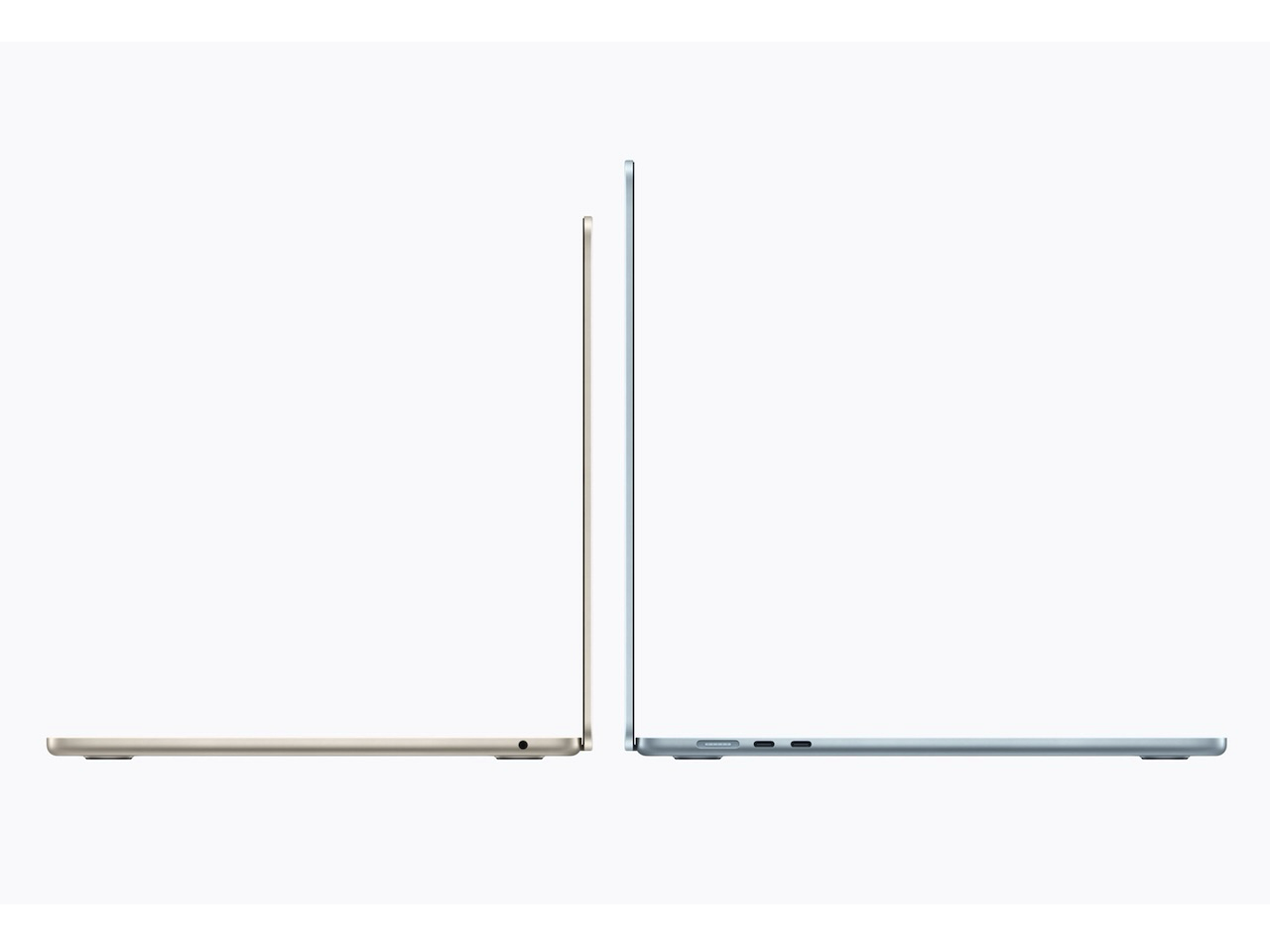
Everyone noticed that Apple doubled the base storage from 256GB to 512GB. Fewer people caught that the MacBook Air can now be configured up to 4TB for the first time, putting it in territory that used to belong exclusively to Pro machines.
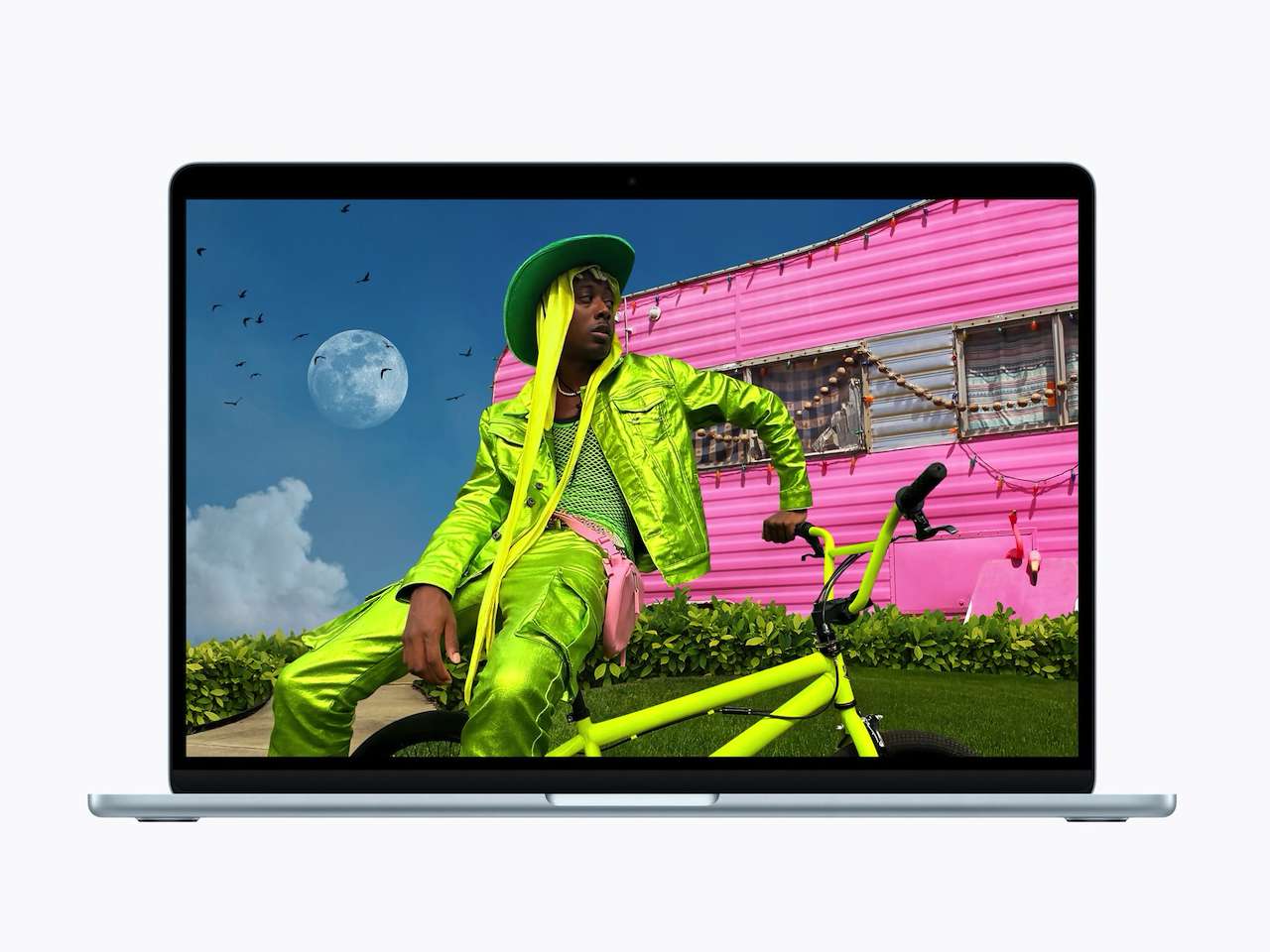
The less obvious upgrade is speed. Apple says the new SSD delivers twice the read and write performance of the M4 Air, which touches everything from boot times and app launches to how quickly large video files move around in Final Cut Pro. It’s the kind of improvement that won’t jump out of a spec comparison at first glance, but you’ll feel it within the first week of daily use.
2. Apple designed its own wireless chip
The MacBook Air M5 ships with Apple’s N1 wireless chip, and that’s a bigger deal than the announcement suggested. Previous models relied on third-party wireless components. The N1 is Apple’s own silicon, purpose-built to handle both Wi-Fi 7 and Bluetooth 6 from a single piece of hardware.

Wi-Fi 7 is the headline feature here, with faster peak speeds and better performance in congested network environments. But the real significance is the integration play. Designing the wireless chip in-house gives Apple tighter control over power efficiency and connection quality, the same strategy that showed up with cellular modems in iPhone. Bluetooth 6 tags along for the ride, bringing improved reliability and performance for accessories and peripherals. Apple says the N1 delivers better connectivity overall, and you’ll likely notice the difference in how consistently your wireless devices stay linked.
3. Every GPU core now carries a Neural Accelerator
Apple’s M5 doesn’t run AI tasks faster through brute force alone. The architecture changed in a way that matters for the long run. Each GPU core now contains a dedicated Neural Accelerator, which means the GPU can handle machine learning tasks alongside its regular graphics work instead of offloading everything to a separate processor.
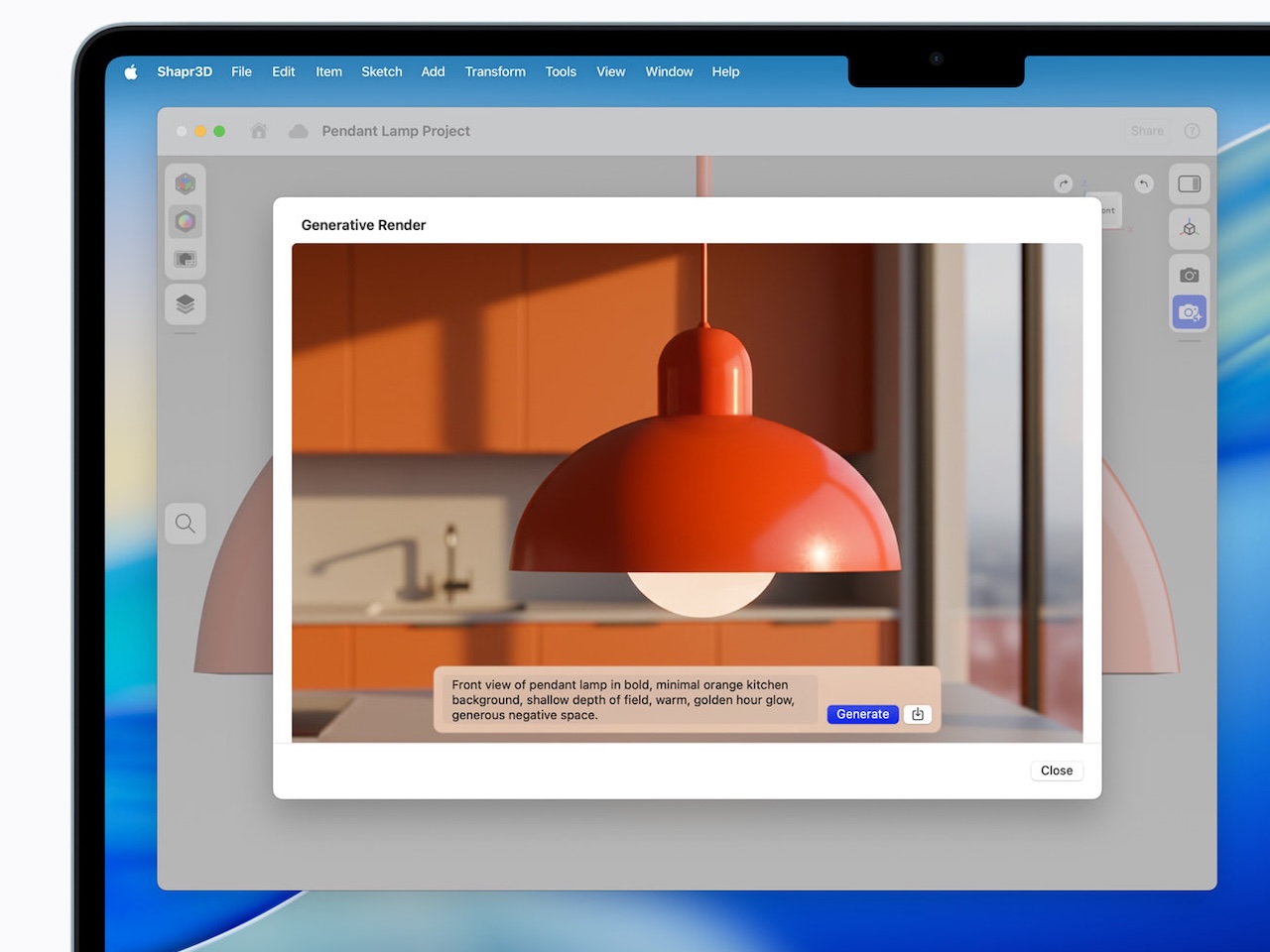
Apple says the result is AI performance up to four times faster than M4 and 9.5 times faster than M1. Those numbers land differently when you consider that Apple Intelligence is expanding with macOS Tahoe, and local on-device processing is how Apple handles everything from writing tools to image generation. The Air is a machine people keep for years. Building AI acceleration into the GPU architecture rather than stacking it on top is a decision that’ll age well.
4. Memory bandwidth jumped 28 percent in one generation
This one flew completely under the radar. The M5 delivers 153 gigabytes per second of unified memory bandwidth, up from 120 on the M4. A 28 percent increase in a single generation is an unusually large leap for a chip in the Air’s efficiency class, and it matters more than most spec-sheet readers give it credit for.
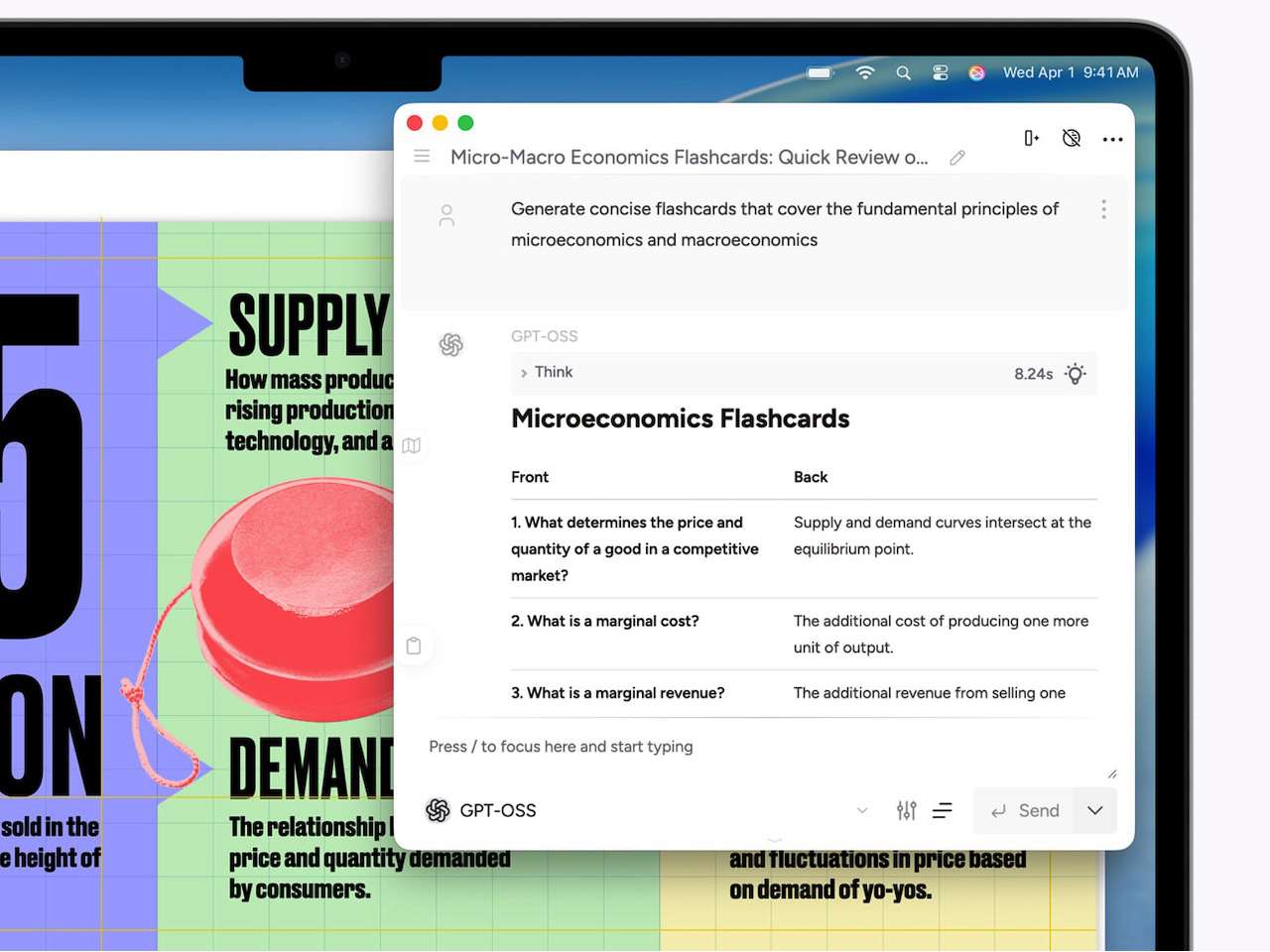
Higher bandwidth means the processor can feed data to the CPU and GPU faster, which shows up across creative workloads, heavy multitasking, and anything that moves large amounts of data through the system at once. Think 40 browser tabs, a Figma project, and a video call running simultaneously. More bandwidth means the system can juggle all of that with less contention for resources. The M5’s memory pipeline gives it considerably more room to breathe.
5. Third-generation ray tracing lands in the Air
The MacBook Air has had hardware ray tracing since M3, but the M5 version is a different animal. Apple’s third-generation ray-tracing engine arrives alongside upgraded shader cores, and that combination pushes the GPU further than previous Air generations could manage.
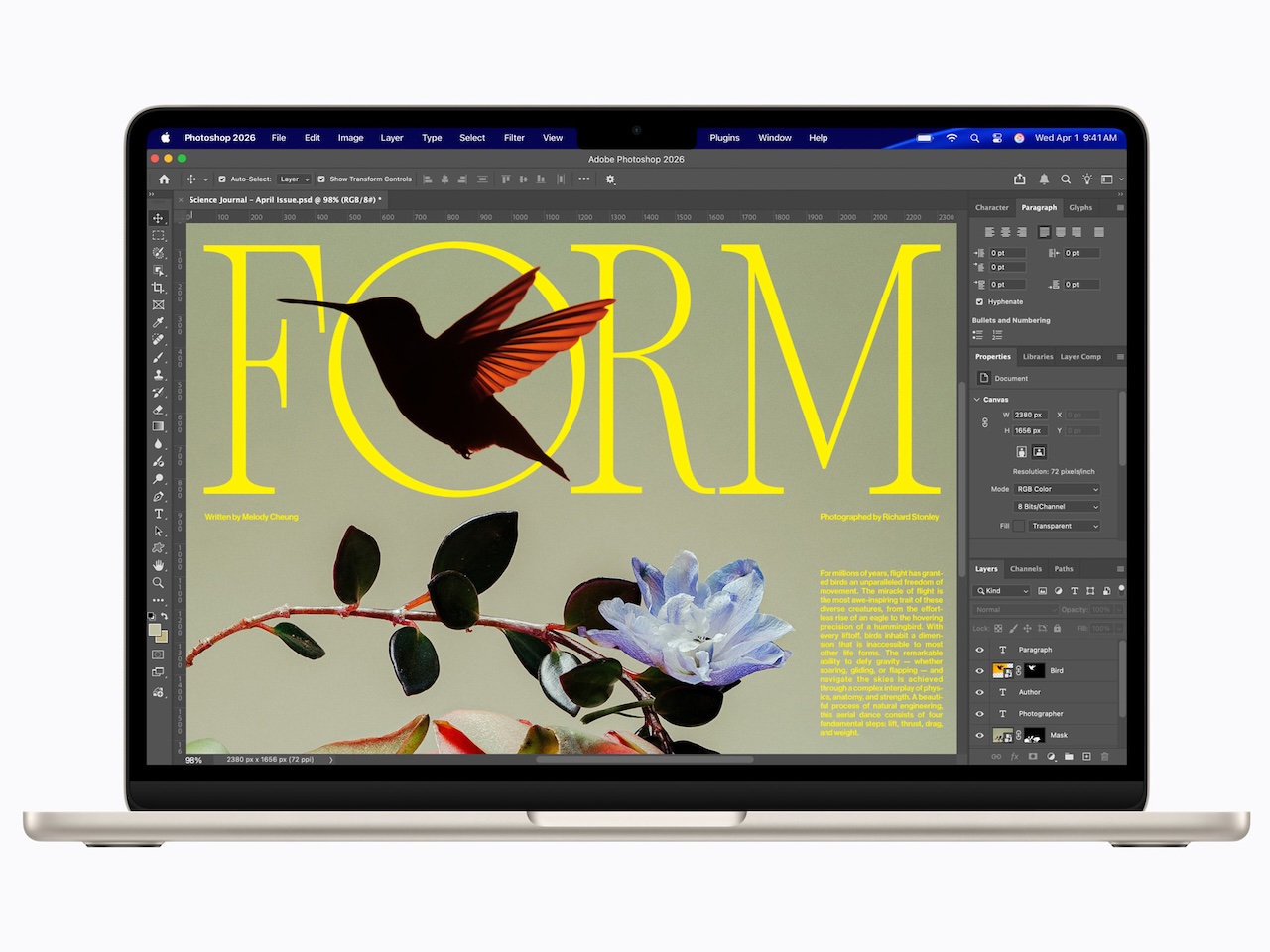
Ray tracing improves how light, shadows, and reflections render in supported games and 3D applications. It won’t transform the Air into a gaming workstation, but titles that support the technology will look noticeably better than they did on the M4. Apple also kept the ability to drive two external displays, which makes the stronger GPU hardware more practical for anyone working across multiple screens. The Air is quietly becoming a more capable creative machine than its ultraportable reputation would suggest.
6. The price math works out better than the sticker suggests
The MacBook Air M5 costs $100 more than the M4 model at launch. That’s the number most people latched onto first, and questioning any price increase is fair. But the math underneath tells a different story.
The M4 Air shipped with 256GB of base storage. Upgrading to 512GB at checkout cost an extra $200. The M5 starts at 512GB. So the $100 increase effectively gets you a storage upgrade that used to cost twice as much, plus a significantly faster SSD, Wi-Fi 7 through Apple’s custom wireless chip, 28 percent more memory bandwidth, and AI performance that’s four times faster. Apple also set education pricing at $999 for the 13-inch and $1,199 for the 15-inch, which sharpens the value equation for students and educators. And the new 4TB configuration option gives creative professionals a path they haven’t had before in the Air line.
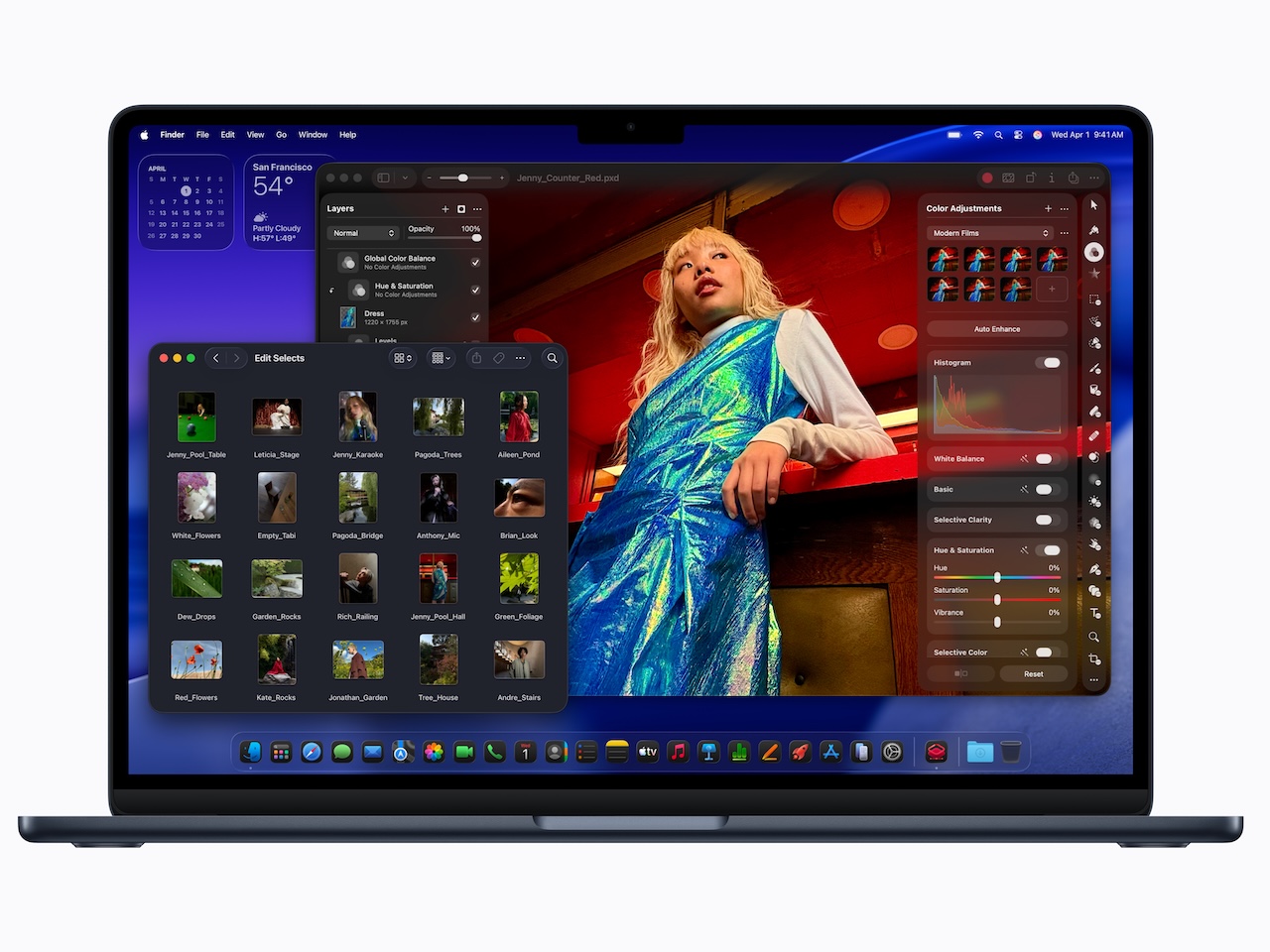
One thing worth knowing before you click pre-order: if you’re buying in the UK or EU, the MacBook Air M5 no longer includes a power adapter in the box. Apple still ships the MagSafe cable, but the charger itself is now an optional add-on at checkout. Buyers in the US and other regions still get one included. It’s an easy detail to miss on the configurator page, and it adds to the real cost if you don’t already have a compatible USB-C adapter.
The bigger picture
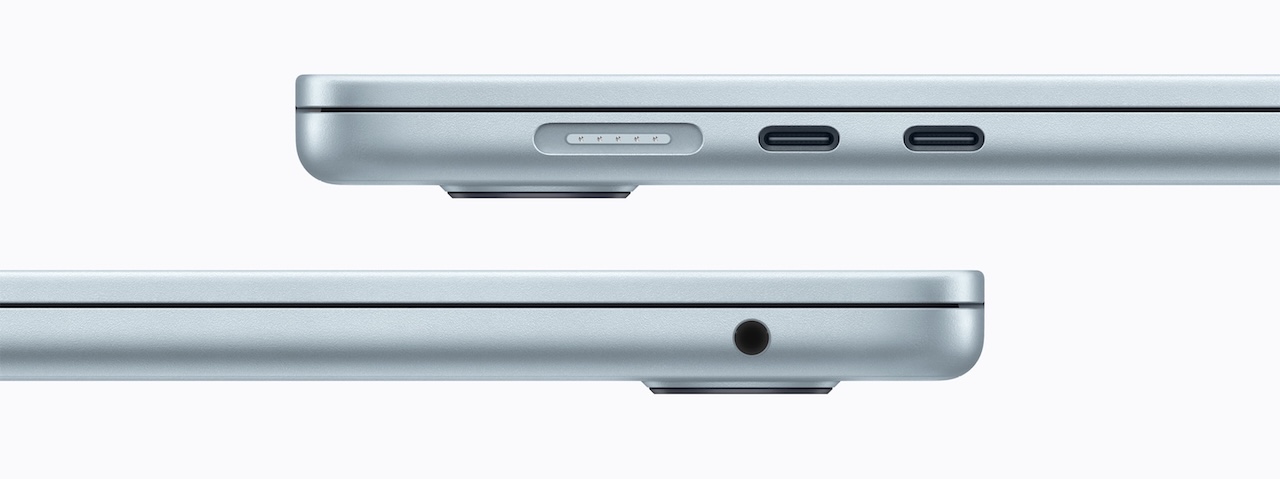
Six changes that didn’t dominate the announcement, and every one of them touches how the MacBook Air performs when you sit down and use it. Apple kept the same design language, the same Liquid Retina display, the same 18-hour battery life, the same two Thunderbolt 4 ports with MagSafe charging, and the same 12MP Center Stage camera. The exterior story hasn’t changed. What’s underneath has.
The MacBook Air with M5 ships with macOS Tahoe, which brings Liquid Glass, expanded Apple Intelligence features, the Phone app on Mac, and Edge Light for video calls. The entire enclosure is still built from 100 percent recycled aluminum, the battery uses 100 percent recycled cobalt, and the machine now contains 55 percent recycled content overall.
Price: From $1,099
Where to Buy: Apple
The Apple MacBook Air M5 is available for pre-order starting March 4 and arrives March 11. It starts at $1,099 for the 13-inch and $1,299 for the 15-inch, in sky blue, midnight, starlight, and silver.
MacBook Air M5 vs M4: what changed
The MacBook Air M5 is faster than the M4 across every major metric. It delivers 4x the AI performance through new per-core Neural Accelerators, 2x the SSD read and write speed, 28 percent more memory bandwidth at 153 GB/s versus 120 GB/s, and adds Wi-Fi 7 through Apple’s first custom wireless chip. Storage doubles to 512GB at the base configuration, and the GPU moves to third-generation ray tracing.
| Spec | MacBook Air M5 | MacBook Air M4 |
|---|---|---|
| Starting price | $1,099 | $999 |
| Base storage | 512GB | 256GB |
| Max storage | 4TB | 2TB |
| SSD speed | 2x faster read/write | Baseline |
| Memory bandwidth | 153 GB/s | 120 GB/s |
| Wireless | Wi-Fi 7, Bluetooth 6 (Apple N1) | Wi-Fi 6E, Bluetooth 5.3 |
| GPU AI acceleration | Neural Accelerator per core | None |
| Ray tracing | 3rd generation | 2nd generation |
| Battery life | Up to 18 hours | Up to 18 hours |
| Display | Liquid Retina | Liquid Retina |
| External displays | Up to 2 | Up to 2 |
Love our content?
Sign up for our newsletter today.
No ads, no spam, just links to our latest articles!