

ARTICLE – MWC Barcelona 2026 is in full swing, and the usual flood of announcements has arrived right on schedule. Dozens of phones, concepts, and AI-flavored everything are competing for attention across the show floor, each one louder than the last. But between the noise and the press release theater, a handful of genuinely interesting things have emerged, and they aren’t all phones. Here are the five announcements that actually made us stop scrolling.
1. The Xiaomi 17 Ultra Brings Leica Firepower to a Global Stage
Xiaomi’s Ultra phones have been quietly building a reputation among mobile photography nerds, and the 17 Ultra takes that obsession global. The phone debuted in China back in September, but its European rollout at MWC marks the first time international buyers can get their hands on it without an import workaround. That alone would be noteworthy, but the spec sheet makes it even harder to ignore.
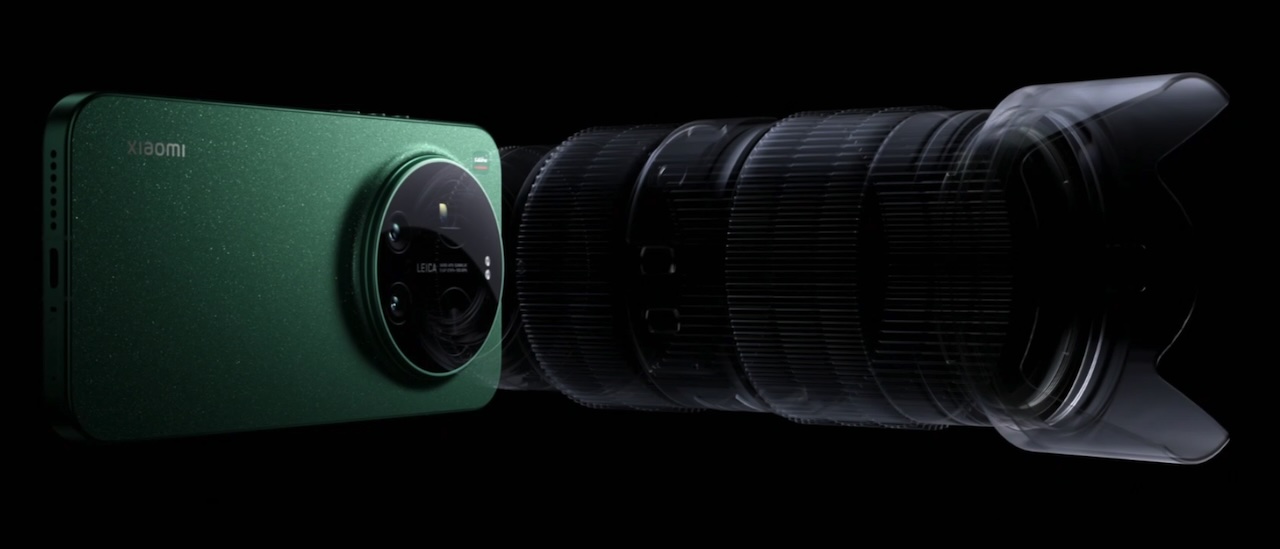
The camera system is the headline act here. There’s a 1-inch, 50-megapixel primary sensor with an f/1.67 lens, a 200-megapixel telephoto on a 1/1.4-inch sensor, and a 50-megapixel ultrawide rounding things out. A physical zoom ring wraps around the camera module, giving photographers the kind of tactile control that most phones simply don’t offer. Xiaomi and Leica co-engineered the optics, and the demos on the MWC show floor reflected that level of partnership. It’s a lot of camera for something that fits in your pocket.
Under the hood, the 17 Ultra runs a Snapdragon 8 Elite Gen 5 chip, pushes its 6.9-inch OLED display to 3,500 nits peak brightness at 120Hz, and packs a 6,000mAh silicon-carbon battery. European pricing starts at €1,499 (roughly $1,750). There’s also a Leica Leitzphone variant with retro design cues and a dedicated Leica camera interface, priced at €1,999 for anyone who wants the full camera-first experience.
2. Honor’s Robot Phone Is Weird, Wonderful, and Impossible to Ignore
Honor first teased its Robot Phone concept last fall, but MWC 2026 marks the first time anyone outside the company has actually seen it up close. The phone has a camera mounted on a four-degrees-of-freedom gimbal that tucks into a compartment on the back when it isn’t in use. When activated, the camera extends outward on a small robotic arm and can track subjects, follow motion, and stabilize footage on its own. In demos at MWC, the little camera head bobbed along to music, nodded in agreement with gestures, and generally behaved like a tiny robot companion perched on the back of a phone. It’s part vlogging tool, part DJI Pocket rival, part conversation starter.

The primary sensor clocks in at 200 megapixels with three-axis stabilization, AI object tracking, and a Super Steady Video mode that Honor is positioning against standalone action cameras. The company hasn’t confirmed pricing yet, but says the Honor Robot Phone will launch later this year. Whether the gimbal camera turns out to be genuinely practical or ends up as a spectacular party trick remains an open question. Either way, it’s the most talked-about phone form factor at MWC this year by a wide margin.
3. Lenovo’s Legion Go Fold Concept Imagines a Foldable Gaming Handheld
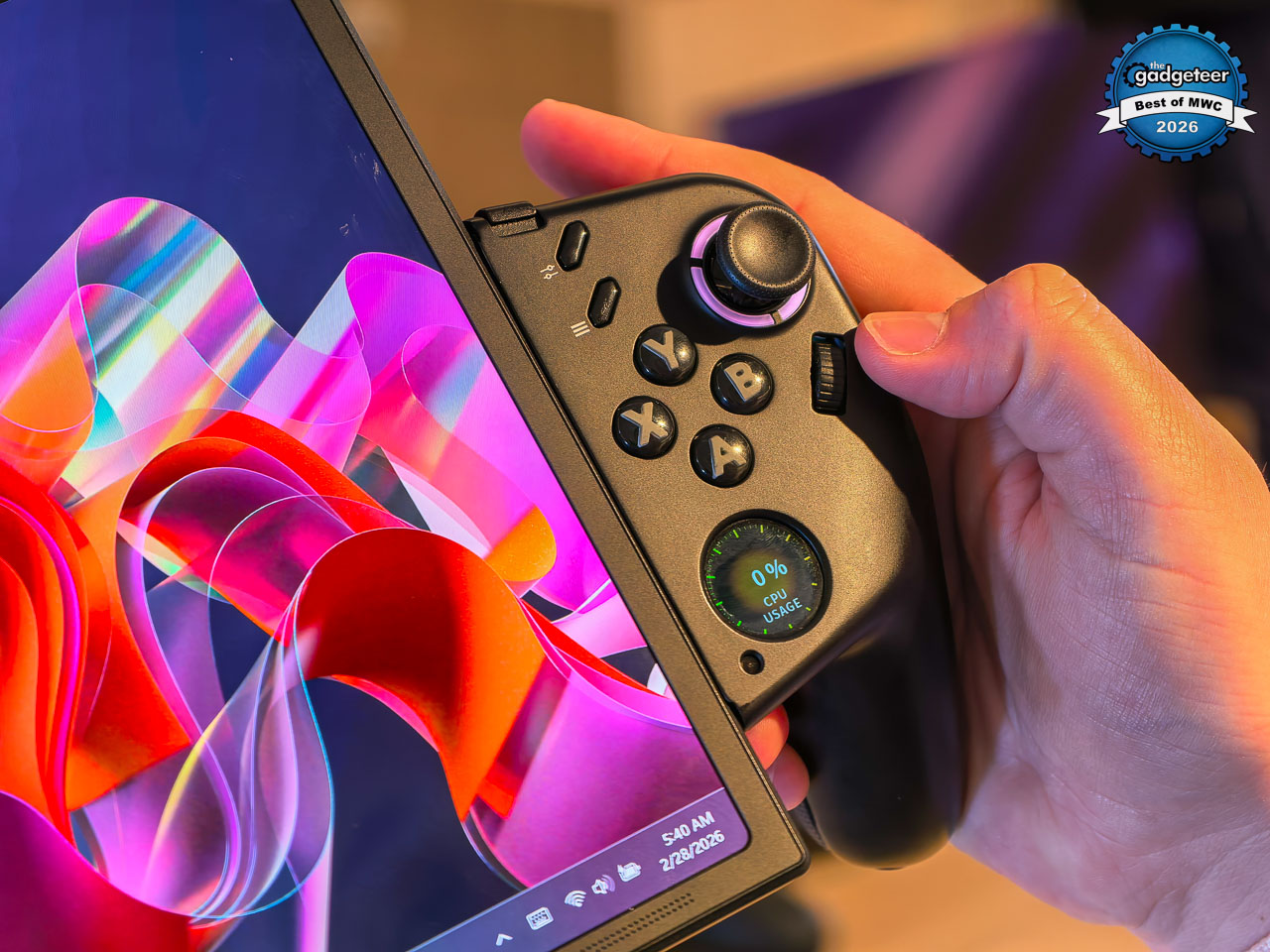
The gaming handheld market has gotten crowded in a hurry, and Lenovo’s answer to standing out is a concept that folds in half. The Legion Go Fold features a flexible display that opens to 11.6 inches and folds down to a more portable 7.7 inches. Detachable controllers snap onto either side, with multiple mounting points that let you switch between landscape and portrait orientations on the fly.
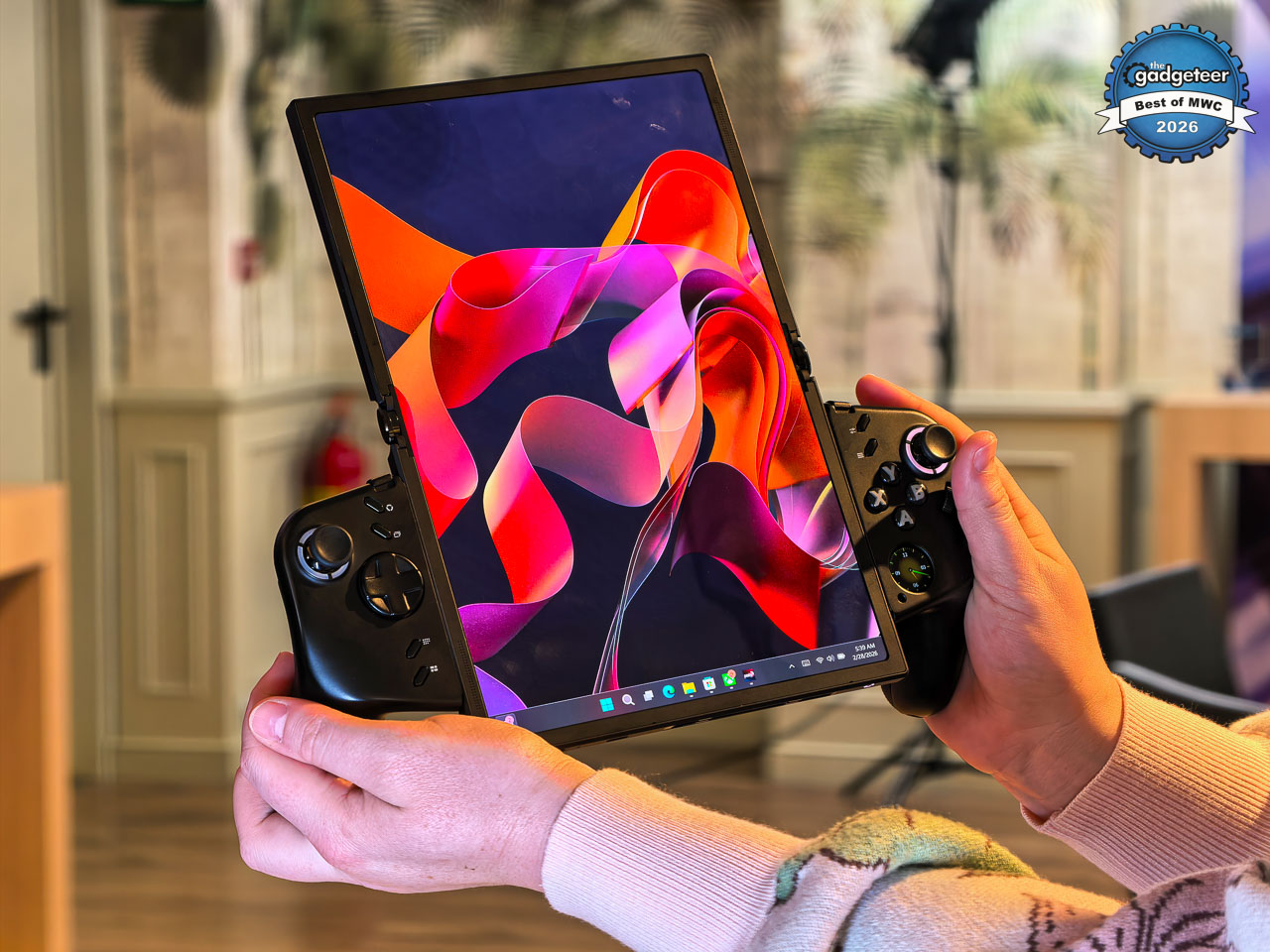
It gets weirder from there, in the best possible way. The controllers can combine into a single gamepad with an accessory, and the right controller has a hidden scroll wheel and sensor that turns it into a mouse. There’s a tiny circular OLED screen below the buttons for widgets and touchpad input. A strip of pogo pins along the bottom connects to a wireless keyboard, so the whole thing can convert into a laptop-style setup. As a vision for where gaming handhelds could go, it’s one of the most inventive things on the show floor this year. Lenovo stressed this is still firmly in concept territory, so there’s no price tag or release date attached, but the level of thought in how each piece connects to the next suggests the company isn’t just showing off for fun.
4. The Nothing Phone 4a Quietly Steals the Budget Spotlight
Nothing has made a habit of punching above its weight in the mid-range space, and the Phone 4a looks ready to continue that streak. MWC gave attendees their first proper look at the handset, shown behind glass in four colors: black, blue, white, and pink. Detailed specs are still under wraps, with the full announcement scheduled for March 5. What the company has shown so far, though, is enough to generate real buzz on the show floor.
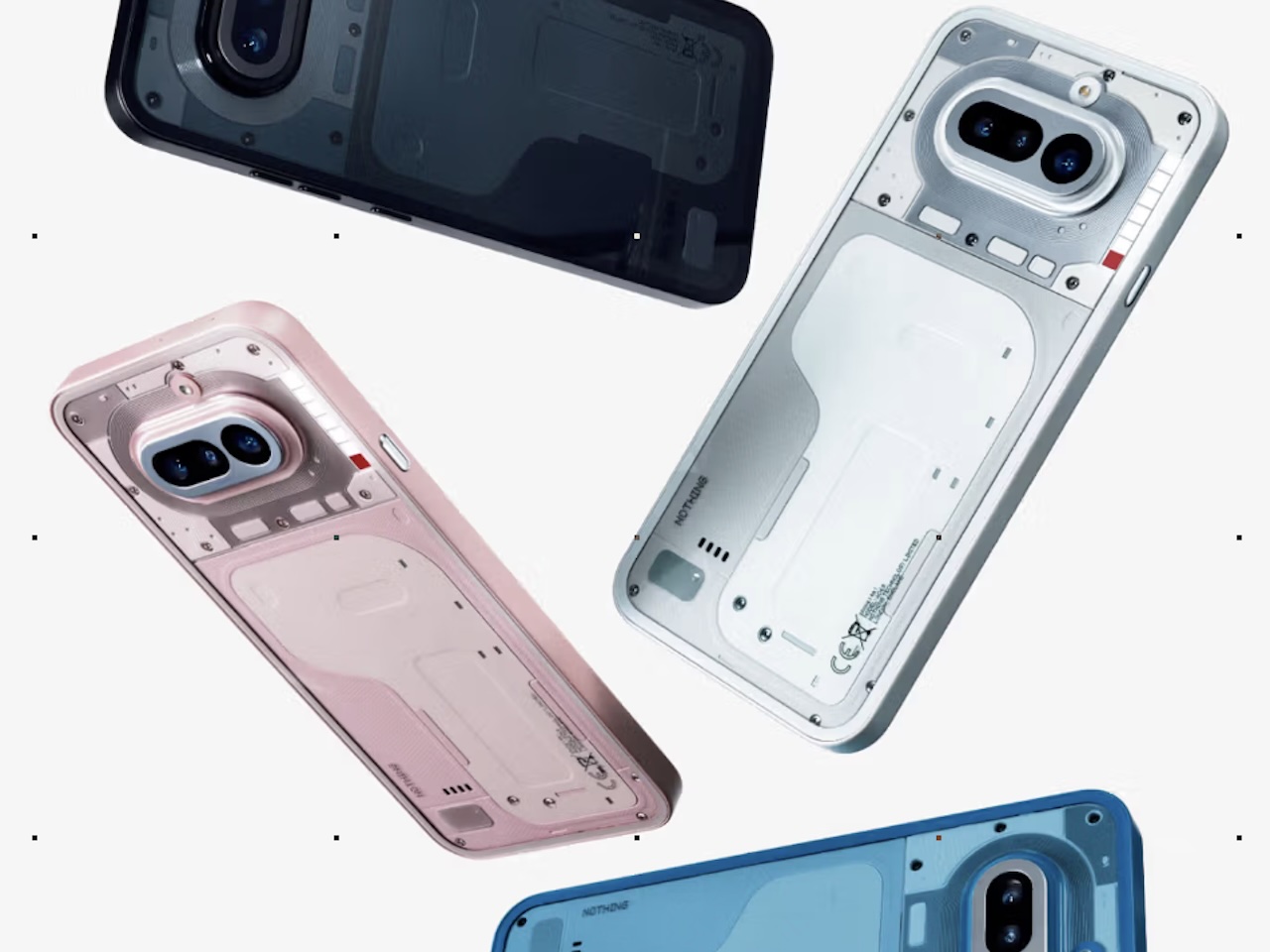
The Phone 4a carries forward Nothing’s signature transparent design language in a package aimed squarely at buyers who want something interesting without spending flagship money. Multiple outlets covering MWC have already flagged it as a potential best budget phone of 2026, which is consistent with the brand’s history of delivering strong mid-range devices. We’ll know the full picture in a few days when Nothing pulls the curtain all the way back.
5. Honor’s Magic V6 Pushes Foldables Thinner Than Anyone Expected
The race to make foldable phones thinner has been quietly intensifying for a couple of years now, and Honor just set a new benchmark. The Magic V6 measures 8.75mm folded and just 4.0mm when open in the white colorway, making it the thinnest foldable to reach the market. That slimness comes alongside an IP69 rating for water and dust protection, which is noteworthy for any phone and especially striking for one with a folding hinge.
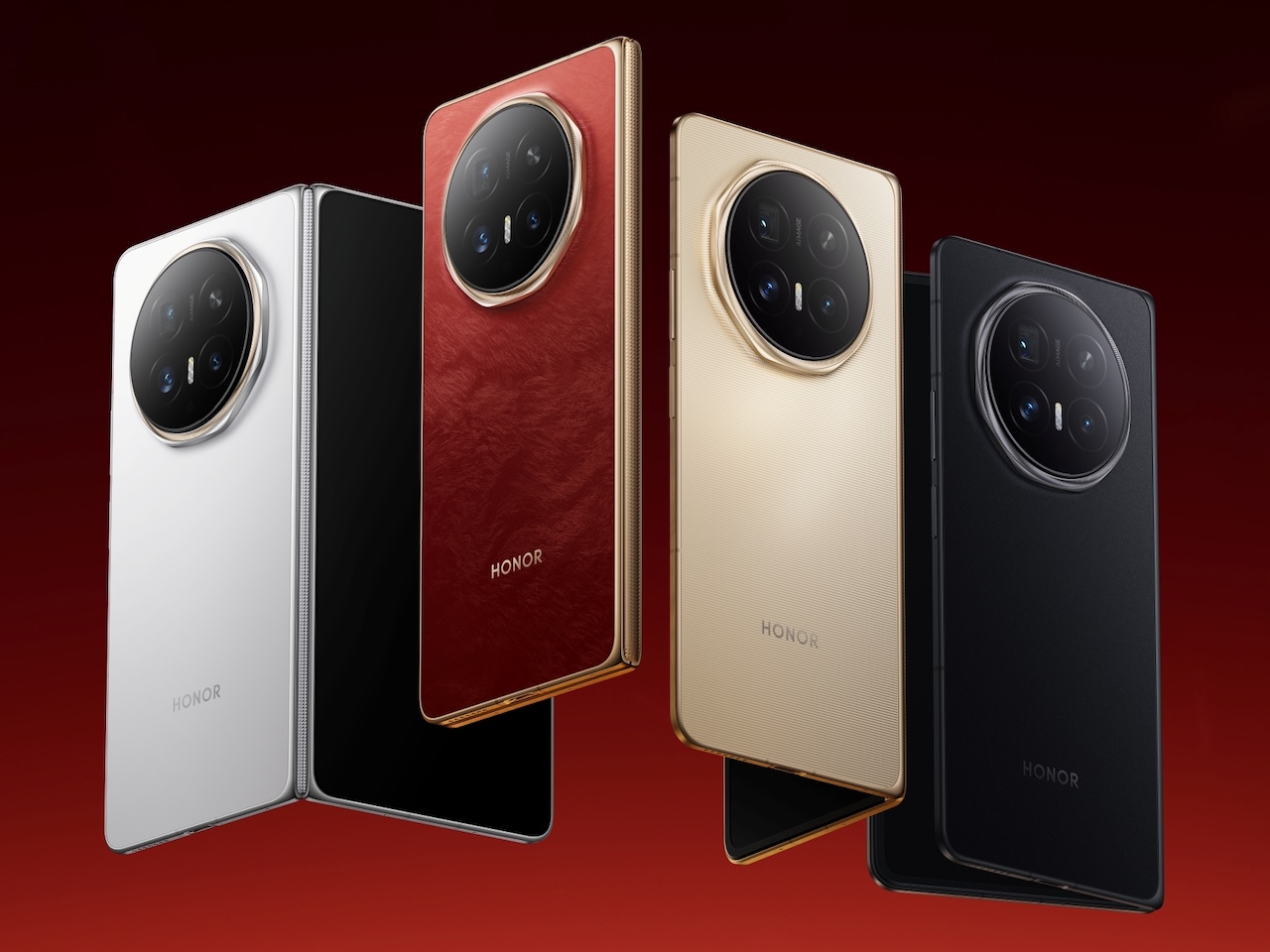
Specs here are flagship-grade across the board. The V6 runs a Snapdragon 8 Elite Gen 5 chipset with 16GB of RAM and 512GB of storage, and its 7.95-inch inner display is powered by a 6,660mAh battery. Stylus input is supported on both screens, building on the feature Honor introduced with the Magic V5. The camera array includes two 50-megapixel lenses, a 64-megapixel telephoto, and a 20-megapixel selfie camera on both the cover and internal screens. Honor hasn’t shared pricing or global availability details yet, but the V6 positions itself as a direct challenger to Samsung’s Galaxy Z Fold line.
The Bigger Picture
MWC has always been part product showcase, part industry weather report. What this year’s standouts tell us is that the phone market isn’t just iterating anymore. Xiaomi is betting that camera nerds will pay €1,499 for optics that rival standalone systems. Honor is gambling on mechanical novelty with a robot arm most people didn’t know they wanted. Lenovo is rethinking what a gaming handheld even looks like when you give it a folding screen. Nothing is proving you don’t need a massive R&D budget to generate floor buzz. And Honor’s V6 suggests the foldable race has shifted from “how thin can we go” to “what else can we pack in at this thickness.”
Not everything here will ship in its current form, and not all of it needs to. The Legion Go Fold is a concept. The Robot Phone still has questions to answer about durability. But the thread connecting all five is the same: each one is trying to solve a problem that last year’s phones didn’t even acknowledge. That’s what makes a show floor worth walking. We’ll be updating coverage as specs firm up, prices drop, and release dates land. For now, these are the five things worth remembering from Barcelona.
Love our content?
Sign up for our newsletter today.
No ads, no spam, just links to our latest articles!