

It is almost dawn, around 6am, and still dark outside. I roll over, stretch my arms, and switch on the bedside lamp. The soft white light helps me ease out of bed. Slowly, I walk to the bathroom, then continue to the kitchen. I boil water for a mug of Lemon Zinger tea (yesterday it was chamomile) and sip it while scanning radio stations or flipping through the newspaper. Anything to gently wake my mind for the day ahead.
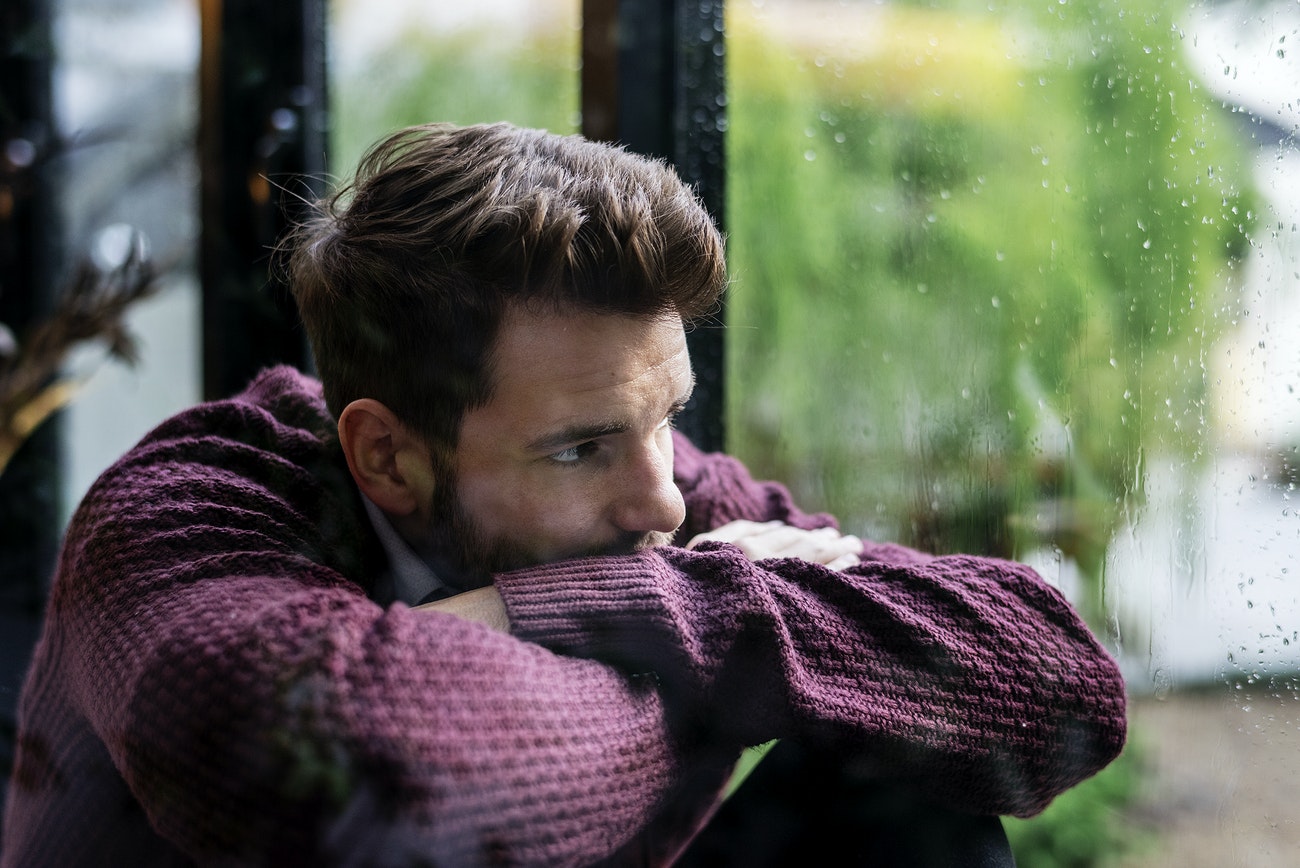
Already, within the first hour, I have faced a string of small choices. Now comes a bigger one: what to wear. I return to the bedroom, turn on the overhead lights, switch on the TV for background noise, and open the closet doors. Rows of clothes stare back at me, far too many options. I stand there, perplexed, as early morning anxiety creeps in, amplified by my OCD. Which shirt? Which trousers? The decision feels heavier than it should.
Choice is simply the act of selecting from two or more possibilities. Yet for me, and for many living with mental health conditions, those selections can feel overwhelming. As someone with OCD, even everyday decisions trigger rumination: weighing pros and cons endlessly, second guessing, fearing the wrong pick. As a peer specialist, I see this struggle in others too. One of our key roles is to help people identify their options, explore them together, and support them in choosing one, then seeing what happens next. Some people show remarkable courage in those moments, forging paths toward recovery, sobriety, social change, or renewed hope.
Many opportunities in mental health today, especially peer roles, exist because earlier generations made bold choices. They pushed for change in systems that often resisted it. For years, I managed my OCD symptoms well enough to work in various mental health capacities, including as a peer specialist. Those decisions were not always easy, but they were mine. I owned them, lived with them, and found satisfaction in the work, until 2022, when neuropathy in my legs changed everything. Driving became impossible, walking difficult, and physical limitations ended my in person roles. Still, I continue reading, writing, and sharing about mental health. This article is one small choice in that ongoing journey.
Choices range from low stakes decisions (tea flavour today?) to life altering ones. Simpler choices often support better mental and physical health. Complex ones, influenced by multiple factors, carry bigger consequences. The freedom to choose is fundamental. When illness, force, or circumstance strips it away, people lose not just options but a core sense of agency.
For some, choices come more easily. For others, especially those with OCD or similar conditions, they spark stress or paralysis. Too many alternatives can be as paralyzing as too few. Think of a diner menu with endless pages or a Chinese restaurant’s columns of options: one from column A, two from column B. The abundance overwhelms, stirring anxiety and compulsive loops. I have stood frozen in restaurants, mind racing through possibilities. Sometimes I narrow it to two or three safe picks. Other times, I let craving guide me. Either way, it is my choice, and I move forward.
This freedom to choose has shaped human history. It is the ability to contemplate, decide, and act, carrying us along our unique paths of self discovery. We often take it for granted, yet it defines our journeys.
In my peer specialist work, collaborating with mental health professionals taught me flexibility: handling similar situations in new ways, making independent decisions, and earning greater autonomy over time. We respected the limited options we had while daring to create better ones, even in unsupportive environments.
Freedom of choice means acting from alternatives without external constraint. In places like the US, it is a cherished right. Elsewhere, it is often denied. Limited or forced choices breed discomfort and poorer outcomes.
Looking back, I have made accurate choices and flawed ones. OCD made abundant options especially tough. Rumination wasted time, tunnel vision on minor details stalled progress. Sometimes focusing on just one or two possibilities worked best. Pioneers in mental health blazed trails by choosing courageously, often with limited information, advancing the field for all of us.
Choice 1 Choice 2 Choice 3
Can you choose one above?
(Actually, there are four if you count doing nothing.) We can pause, reflect, and decide successfully. Most choices are not wrong. They just bring consequences. Doing nothing is a choice too, preserving the status quo. But acting, even imperfectly, opens doors to growth and positive change.
I owe thanks to the trailblazers in mental health who showed me the value of owning decisions with honesty and integrity. They created opportunities in hostile settings and modelled what it means to choose differently.
Ending here is my choice too. I could ramble on, wrap up neatly, or let this piece fade unfinished. I have narrowed it to three paths: keep labouring, conclude my thoughts for now, or do nothing. I am choosing to finish, with hope that my words remind someone: your choices matter. Even small ones. Even hard ones. They shape your journey.
Keep choosing. Keep moving forward.