

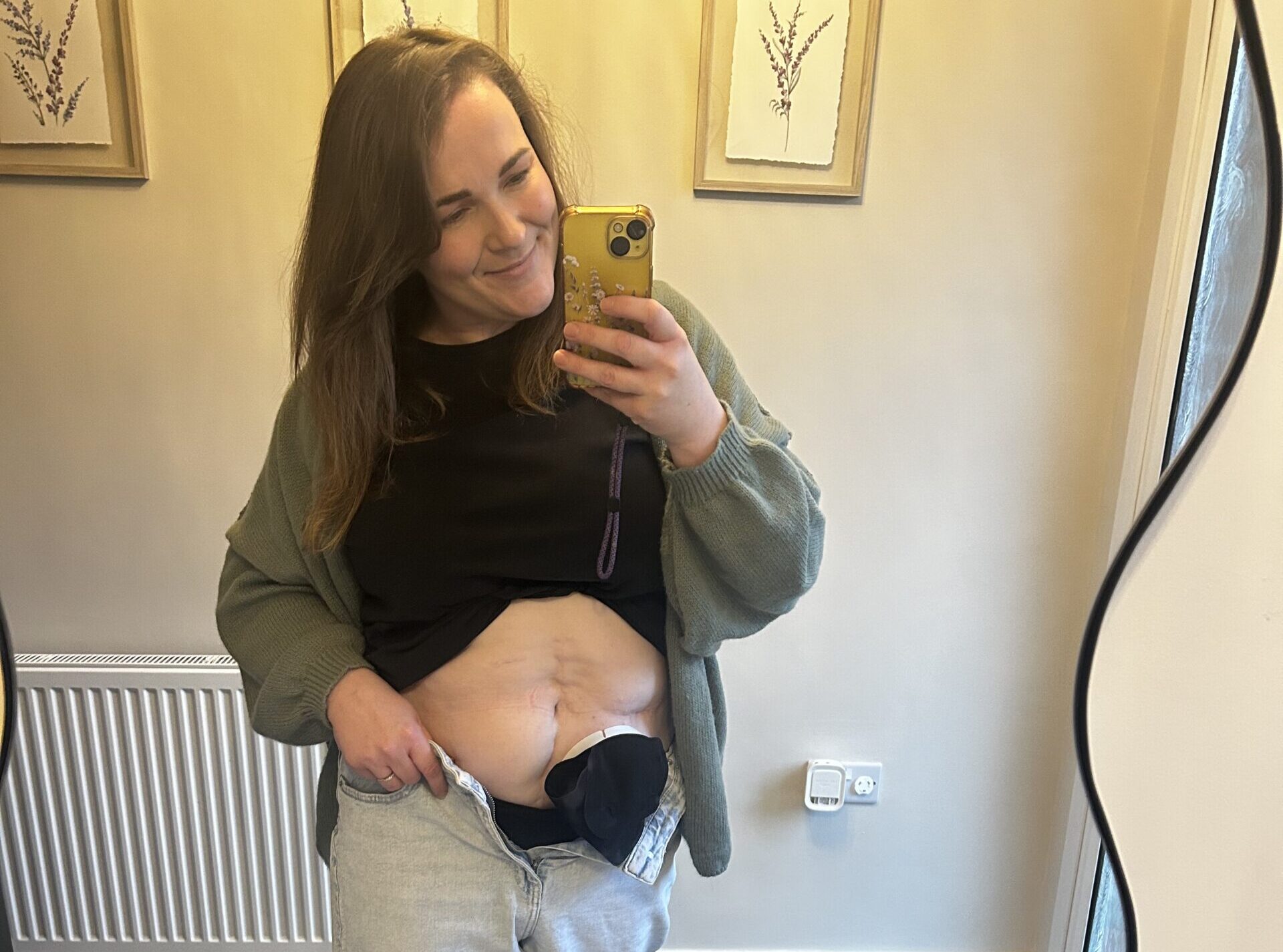

Stoma output is never straightforward. Unless you are one of the lucky few, a number of variables can affect both the amount and consistency of your output. This can have a real impact on daily life from needing more frequent bag changes, to having to review your lifestyle and what you consume. Let’s break it down and look at what should be considered…
When your bag needs to be emptied more often
An increase in how frequently you need to empty your bag may be a sign that something internal has changed. This may be long term, or it may be short lived. I’ve been caught out a few times when something I’ve eaten hasn’t agreed with me. This is just one example of a reason why. If a change in routine is needed due to a long-term change in your output, this is something your stoma nurse should work through with you. Any change should be discussed with a medically trained professional, especially if it isn’t typical for you. They can advise on alternative products, or identify what further support may be needed if the issue can’t be resolved from their perspective. Any change to products will need to be verified by your stoma nurse in order for your GP to update your prescription. This may sound like a long-winded process, but unfortunately it’s necessary. Being with Respond for almost 10 years, I can honestly say that the stress and phone calls have largely been handled by them, and they will do their utmost to get new products to you as quickly as possible.
Diet
Diet is a funny old topic. Some ostomates can eat whatever they like and see no change in their output. Others, however, only have to look at a mushroom and it’s hello leak or hello blockage. It’s very individual – after all, we all have stomas for different reasons, and no two bodies are the same.
If your output changes after eating something that isn’t part of your regular diet, take note and track it. You may start to see a pattern form that suggests it’s best to avoid that food. Sometimes it may simply come down to chewing. Chew, chew, chew! Such an obvious thing, yet so easy to forget if you’re eating quickly due to hunger or lack of time.
Post-surgery, your stoma nurse will advise you on how to approach your diet initially. Stick to their guidance in the early days, particularly around foods to avoid. Once your stoma is working well and you’ve settled into recovery, you can begin to expand your diet gradually. Follow your stoma nurse’s advice – it’s easy to be influenced by social media and what others are doing, but go at your own pace and do what feels right for you.
Sickness
Falling ill with something that causes high output is simply rotten. I’m writing this as I recover from a three-day stomach bug, where my output rocketed and my energy levels were completely depleted. When your stoma turns into a tap you simply can’t turn off, and your body is fighting infection, your bag really has to work overtime. While this can feel frightening, changes in output are common and often manageable with the right support.
Hopefully your appliance copes well, but if it hasn’t had to work this hard before, it may struggle. Leaks can lead to sore skin, and your bag may have difficulty staying adhered to the skin. If this happens, contact your stoma nurse, they may be able to recommend a different product. More frequent bag changes and the use of flange extenders can be a quick fix at home. Ideally, you should empty your bag regularly and avoid letting it fill beyond a third of its capacity. I do appreciate that this isn’t always realistic when you’re unwell and everything seems to happen at once. It’s exhausting and stressful. I use continence pads, similar to puppy training pads, and lie on them at night in case my bag fills too quickly and I don’t wake to empty it.
And finally, having the confidence to take control…
Changes in your output shouldn’t automatically mean constantly changing appliances. If something isn’t working for you, don’t just accept it – reach out to your stoma nurse. Unfortunately, I read far too often about people who don’t want to ‘bother’ their nurse, or who feel hesitant because they haven’t needed much support before. If changes are sudden, ongoing, or worrying to you, it’s important to check in with your stoma nurse or medical team.
If your output has increased and there’s no obvious reason or solution, please don’t feel alone. Speaking up can feel daunting, and for many of us it’s tiring having to reach out to medical professionals repeatedly. Be your own advocate and if you don’t feel strong enough to do that, ask a family member to support you until you can. Stoma nurses expect these questions. Changes in output are a valid reason to reach out.
Want to join our ambassador community?
If you’re passionate about making a difference and sharing your story, we’d love to hear from you!
Looking for more advice and real-life experiences?

Keep the conversation going on our podcast, Beyond the Pouch! Hear real stories and honest chats all about life with a stoma.