

A new study led by Stanford University has found that patterns of brain activity in response to wildlife photographs can predict both individual decisions to engage with conservation content and broader public reactions on social media. The findings suggest that images fostering socioemotional connections generate stronger support for wildlife protection.
Published on 17 February in PNAS Nexus, the peer reviewed study combined behavioural experiments, functional magnetic resonance imaging (fMRI) scans, and analysis of real world social media data. The research builds on earlier interdisciplinary work supported by the Stanford Woods Institute for the Environment’s Environmental Venture Projects grant programme.
Participants viewed a range of wildlife images while undergoing fMRI scanning. Afterward, they decided whether to like the images and how much money, if any, to donate toward protecting the depicted animals.
Researchers analysed activity in brain regions linked to reward anticipation and value integration. These neural signals predicted whether participants chose to engage positively with an image and whether they contributed financially.
To test whether these patterns extended beyond the laboratory, the team compared the neural data with engagement metrics for similar wildlife images shared by a major environmental organisation on social media platforms. Metrics included likes, shares, and other interactions. The same brain responses that forecast individual behaviour also predicted aggregate online engagement at scale.
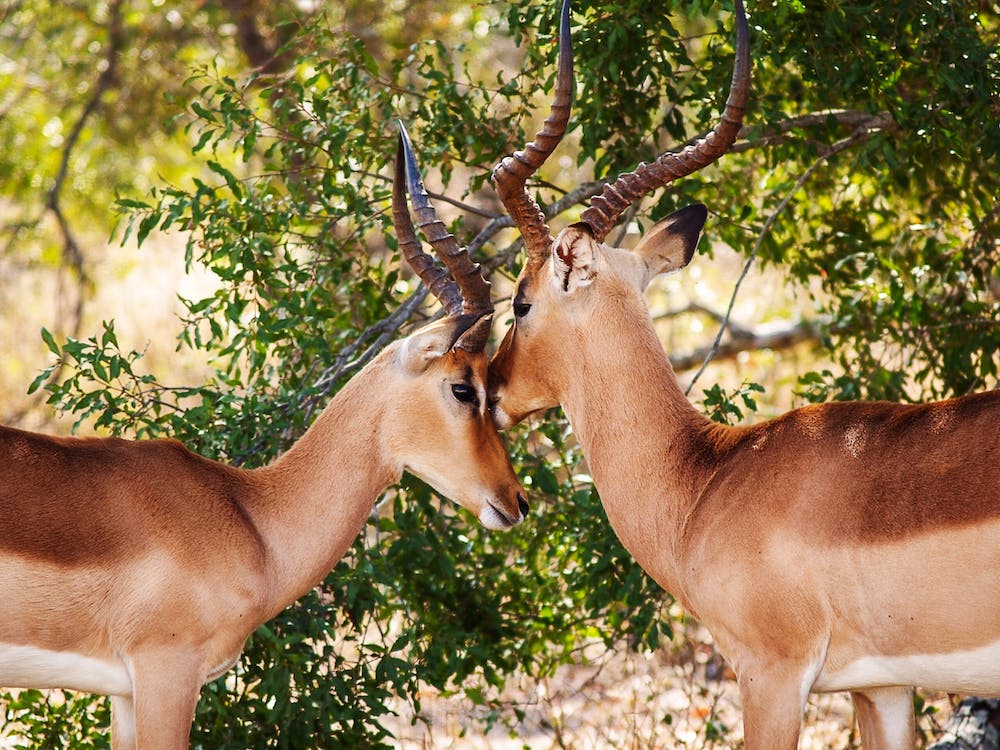
The study identified socioemotional features as particularly influential. Images showing visible animal faces or cues that encourage viewers to attribute mental states, such as direct eye contact or expressions suggesting awareness, elicited stronger neural and behavioural responses.
Study co-author Brian Knutson, a professor of psychology at the Stanford School of Humanities and Sciences and an affiliate of the Woods Institute, explained the practical implications. “If you want to encourage people to protect an animal, you might depict it in a way that evokes a social or emotional connection,” Knutson said. “For instance, emphasizing facelike features or attention to the viewer.”
The findings align with established research in affective neuroscience, which shows that emotional and social processing can outweigh purely rational cost benefit calculations in decision making. By demonstrating that reward related and socioemotional brain activity can anticipate both personal and population level responses, the study advances the field of neuroforecasting. Similar methods have previously been used to predict the popularity of videos, advertisements, and other media content.
The researchers suggest that environmental organisations could use neuroimaging data from small participant samples to identify image features likely to maximise reach and charitable giving, rather than relying solely on trial and error testing.
They also point to the potential role of advanced technologies, including generative artificial intelligence, in refining wildlife imagery. Such tools could systematically vary elements such as facial orientation, gaze direction, and contextual cues to assess their predicted impact before images are used in public campaigns.
“Social media is a powerful tool for shaping public opinion and encouraging environmental behavior,” the researchers state. “Neuroscience tools could offer insights into what motivates people to support wildlife conservation efforts.”
As climate and biodiversity challenges intensify, the study highlights the growing intersection of neuroscience and environmental communication. By identifying images that trigger empathy and emotional resonance, conservation campaigns may increase donations, online advocacy, and overall public engagement.