


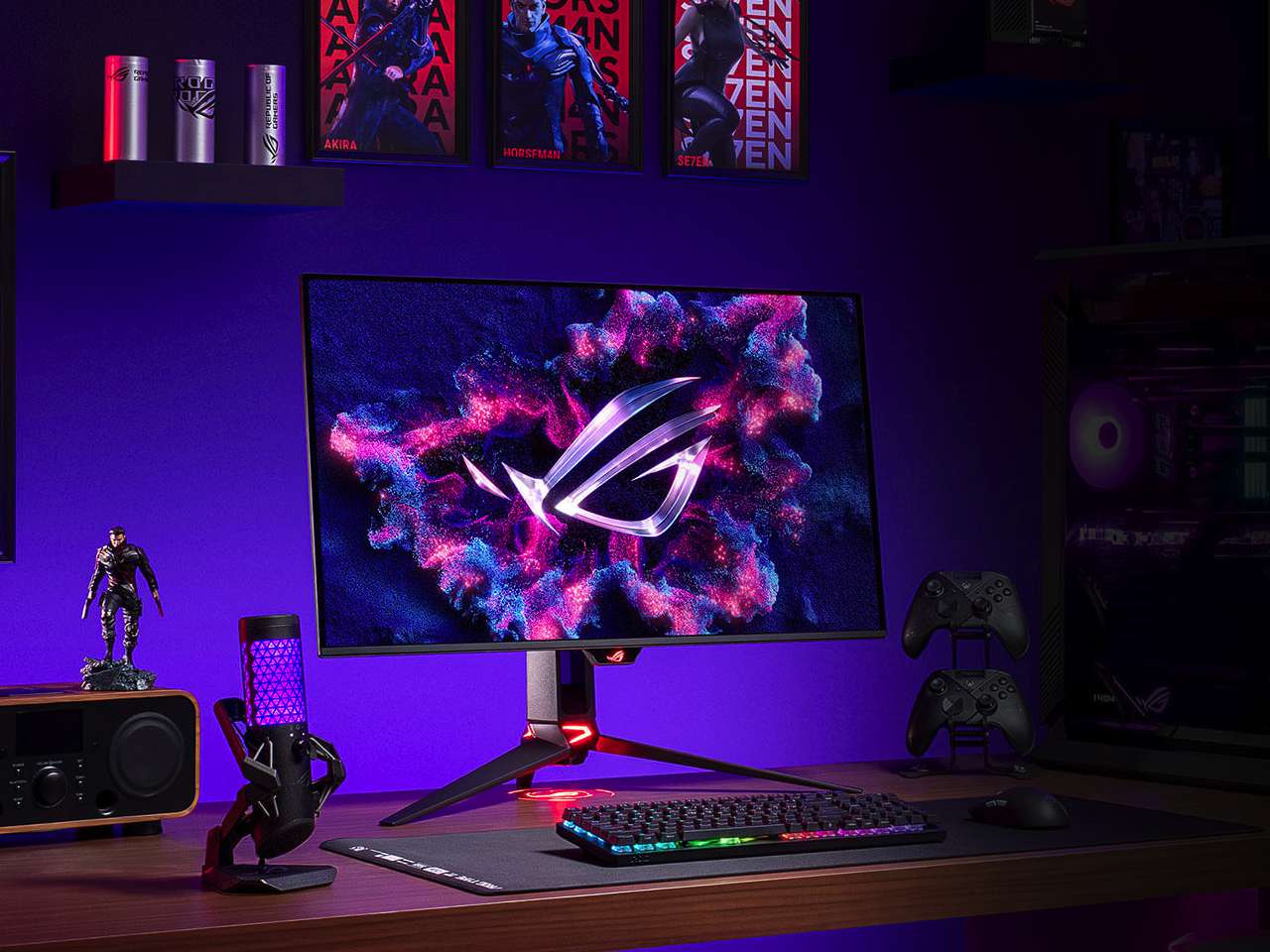
Asus shipped its 32-inch ROG Swift OLED PG32UCDM3 gaming monitor to China this week, weeks ahead of the late March window the company floated after CES. The monitor hit JD.com at CNY 8,499, which converts to about $1,225. That undercuts the $1,299 US price Asus mentioned in January, though the company hasn’t confirmed whether that lower figure will carry over to other markets or if it’s a China-specific launch discount.
Price: CNY 8,499 ($1,299)
Where to Buy: JD.com
The early release matters less than what finally shipped. DisplayPort 2.1 with full bandwidth support just became real hardware you can buy, not a spec sheet promise. Most monitors claiming DP 2.1 have been shipping with reduced bandwidth modes. The PG32UCDM3 runs the full 80Gbps UHBR20 spec, so 4K at 240Hz arrives without compression artifacting. Graphics cards added DP 2.1 first, but monitors lagged behind at half bandwidth or with display stream compression.
Nvidia’s RTX 40-series and AMD’s RX 7000-series cards have supported the full spec since 2022, yet finding a monitor that matched that capability turned into a two-year wait. Most panels claiming DP 2.1 compatibility shipped with UHBR13.5, which caps at 54Gbps, forcing either lower refresh rates or lossy compression to hit 4K at 240Hz. That compression introduces subtle banding in gradients and occasional frame pacing hiccups during rapid scene changes. The PG32UCDM3 eliminates that compromise.
Add The Gadgeteer on Google Add The Gadgeteer as a preferred source to see more of our coverage on Google.
ADD US ON GOOGLE
The Bandwidth Problem Just Got Solved
The PG32UCDM3 removes that bottleneck entirely. That 80Gbps pipe handles 4K at 240Hz with zero compression. If you’re into 8K displays, it’ll push 8K at 60Hz without breaking a sweat.
The bandwidth overhead improves frame timing consistency in fast camera pans and first-person games. When a monitor compresses the signal to squeeze through limited bandwidth, frame delivery becomes less predictable. You won’t notice it in static scenes, but whip the camera around in a competitive shooter or pan across a detailed landscape, and the compression algorithm introduces tiny delays as it processes each frame.

The extra headroom from 80Gbps means the GPU sends pixel data directly without compression overhead, so what you see matches what the GPU rendered with zero processing latency between them. Less compression means fewer delays or visual artifacts. Dual HDMI 2.1 ports and USB-C with 90W power delivery cover gaming PCs, consoles, and ultrabooks without a dock. Gaming laptops still need separate power.
The panel is a 32-inch 4K QD-OLED running at 240Hz with 0.03ms response time. Asus rates it with VESA DisplayHDR 500 True Black certification and 99 percent DCI-P3 coverage. Those specs match the PG32UCDM and PG32UCDMR models, but the Gen3 adds two features those lack.
The first solves QD-OLED’s scratch problem. The second fixes the purple tint issue in lit rooms.
BlackShield handles both through a single film, which is smarter than separate solutions. Asus applied the coating to boost scratch resistance to 2.5 times previous QD-OLED panels, which have been notoriously soft. Dell’s AW3225QF and Samsung’s Odyssey OLED G8 both showed visible scratches from gentle wiping with microfiber cloths, making dust removal risky enough that some users resorted to bulb blowers or stopped cleaning entirely. The film hardens the surface so routine maintenance stops feeling dangerous.
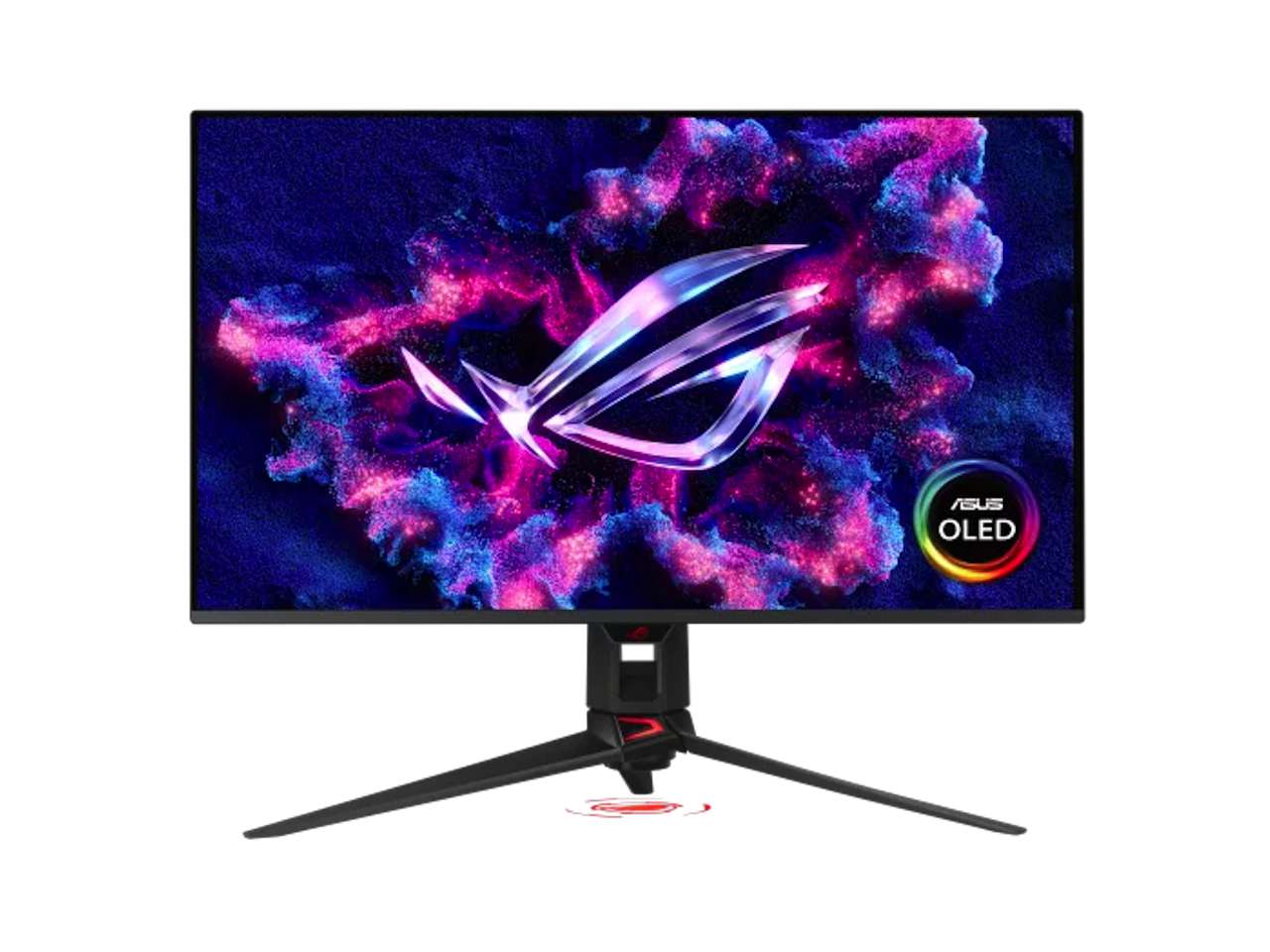
Earlier QD-OLED monitors showed a purple tint on blacks when room light hit the screen. BlackShield corrects that, boosting perceived black level by 40 percent in bright rooms. Blacks stay black instead of shifting purple, preserving OLED’s contrast advantage. The improvement is most visible when you’re working during the day with windows nearby or overhead lighting.
First-generation QD-OLED panels showed a noticeable purple cast on dark UI elements and letterbox bars in bright rooms, undermining the infinite contrast that makes OLED appealing in the first place. BlackShield corrects the wavelength interference that caused the tint, so the panel maintains its contrast advantage regardless of ambient light conditions.
OLED Care Pro Adds Smarter Burn-In Protection
Asus expanded its OLED Care Pro feature set with a Neo Proximity Sensor that detects when you step away from the desk. The monitor transitions to a full black screen when it doesn’t sense anyone nearby, then restores your content the moment you sit back down. You can adjust detection distance in the OSD. The strategy works because OLED pixels turn completely off when showing black, unlike LCD backlights. Switching to black when you leave prevents static UI burn-in.
It’s a smarter approach than fixed timers, which either kick in too early or wait too long. Asus also included the standard OLED maintenance suite with pixel cleaning cycles, screen shifting, taskbar dimming, and logo detection for static overlays, all backed by a three-year warranty. The proximity sensor sits in the bottom bezel and doesn’t require cameras or Windows Hello. It uses infrared detection, so it works across operating systems without driver installs or privacy concerns. The system responds fast enough that you won’t notice the transition when you return to your desk, and the detection distance adjustment prevents false triggers if someone walks past your setup.
China Gets It Now, Everyone Else Waits
The monitor is available in China now at CNY 8,499 through JD.com. Asus suggested $1,299 for the US but hasn’t confirmed pricing or dates for North America or Europe. The early China launch might mean global shipments arrive sooner than late March, or it might just mean China was ready first. Regulatory approval timelines vary by region, and Asus often staggers releases based on where certifications clear fastest. The CNY 8,499 pricing suggests Asus is testing demand before committing to global pricing strategy.
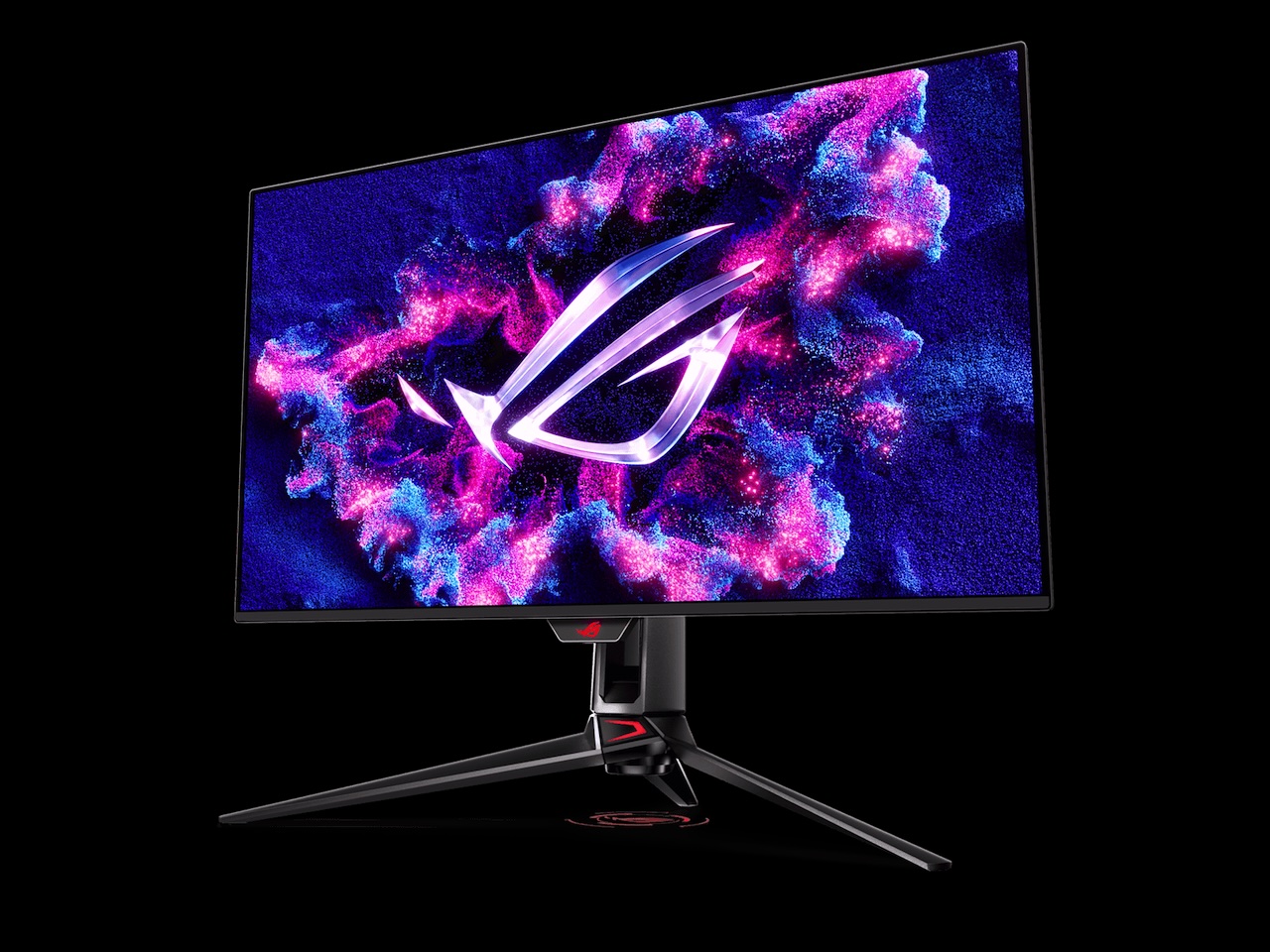
The PG32UCDM3 slots between the standard PG32UCDM and curved PG32UCDMR in Asus’s current lineup. All three monitors use the same core 32-inch 4K QD-OLED panel running at 240Hz. The standard version ships flat, the UCDMR curves at 800R, and this Gen3 version adds the BlackShield coating and full DisplayPort 2.1 bandwidth. The Gen3 also carries VESA’s DisplayHDR 500 True Black certification and covers 99 percent of the DCI-P3 color space.
Price: CNY 8,499 ($1,299)
Where to Buy: JD.com
If you own an earlier model, the Gen3 improves things without obsoleting what you have. The PG32UCDM and PG32UCDMR remain solid monitors with the same core panel quality. You’re missing full DP 2.1 bandwidth and the BlackShield coating, but those additions don’t fundamentally change the viewing experience unless you’re running games that can actually push 4K at 240Hz without compression or you’ve been frustrated by the scratch sensitivity. If you’re buying new and DP 2.1 matters, wait for this one. The catch is availability. Asus hasn’t confirmed when it’ll ship outside China. Expect March through May depending on regional approvals.
Love our content?
Sign up for our newsletter today.
No ads, no spam, just links to our latest articles!