

The real problem it solves
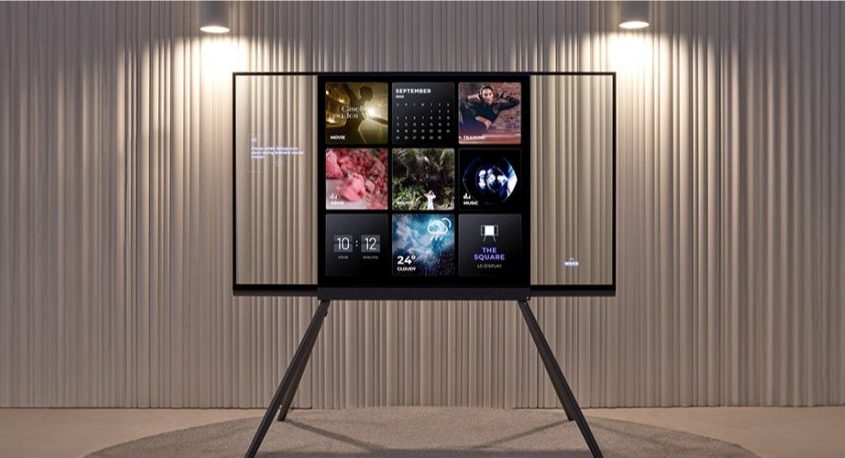
Traditional screens block space. They sit between people and environments, forcing digital content to replace physical presence. In retail, museums, and architecture, that separation breaks immersion. The LG Transparent OLED begins with that limitation. Designers want information without obstruction. Brands want storytelling without walls of black glass. LG Transparent OLED changes the relationship between display and space. Instead of covering what’s behind it, the screen lets light pass through while still showing vibrant visuals. The result feels less like a TV and more like digital glass. This technology targets environments where experience matters more than entertainment.
Unboxing & first touch
Transparent OLED panels ship as professional display components rather than consumer gadgets. Packaging focuses on protection and precision. The panel feels surprisingly thin and light for its size. The glass surface feels premium and rigid. There’s no visible bezel distraction. When powered off, it looks like a clear pane of glass. That moment alone sets expectations. This isn’t a screen you decorate around. It becomes part of the environment itself.

Design & interface
Design defines the entire product. The transparent OLED panel achieves up to roughly 40 percent transparency, allowing objects and spaces behind it to remain visible. Edges stay clean and minimal. Mounting options allow vertical, horizontal, or embedded installation. There are no physical controls meant for daily interaction. Everything assumes professional installation and centralized control. The design disappears when the content disappears, which feels intentional and powerful.
Connectivity & integration
LG Transparent OLED integrates into commercial AV systems. Connectivity includes standard display inputs through external controllers and media players. Integration focuses on reliability and synchronization rather than plug-and-play simplicity. This display fits digital signage networks, smart retail systems, and curated installations. Once installed, it behaves like part of a larger system rather than a standalone device. This LG Transparent OLED reflects that enterprise-first mindset.
Hardware deep dive
At its core, the panel uses self-emissive OLED pixels layered onto transparent substrates. Each pixel lights independently, eliminating backlight requirements. Black areas remain nearly invisible, which enhances the illusion of floating content. Brightness stays sufficient for indoor environments, though direct sunlight limits visibility. Color reproduction remains rich and accurate. Build quality feels precise and engineered for long-term deployment rather than casual handling.
Display performance & transparency logic
The magic happens when content interacts with the real world behind it. Text, graphics, and video appear suspended in midair. Motion feels smooth with no visible lag. Contrast remains strong despite transparency. Dark scenes blend into the background naturally. Bright visuals command attention without overpowering the space. Designers must think differently with this display. Content design matters as much as hardware. Failure modes usually involve poor lighting or poorly optimized visuals rather than panel performance.
Power usage & thermal behavior
OLED efficiency keeps power consumption lower than traditional LED signage at comparable brightness. Heat output stays minimal. Passive cooling handles thermal behavior quietly. The panel never feels hot to the touch during normal operation. Power management supports extended run times typical in retail and exhibition environments. Reliability focuses on consistency rather than peak brightness.
The software & control experience
LG provides professional control tools for content scheduling, brightness tuning, and system monitoring. Control happens remotely through signage platforms rather than local buttons. Software supports synchronized playback across multiple panels. Updates and maintenance require professional oversight. This reinforces that the product serves businesses and institutions, not casual home users.
Alternatives compared
LED video walls deliver brightness but block space completely. LCD transparent displays exist but lack contrast and depth. Projection offers transparency but struggles with ambient light. LG Transparent OLED stands alone by combining clarity, contrast, and transparency in one panel. The trade-off comes in cost and brightness limitations. This display prioritizes experience over brute-force visibility.
Who it’s perfect for
This display fits luxury retail, museums, exhibitions, automotive showrooms, and architectural installations. Brands focused on storytelling and immersion will benefit most. Designers who want digital content without visual obstruction will find it transformative.
Who should skip it
Skip this if you need outdoor visibility or budget-friendly signage. Home users won’t benefit from its strengths. Environments with uncontrolled lighting may struggle to showcase their full effect.
Final decision
Buy it if you want immersive digital content without blocking physical space.
Skip it if you need maximum brightness or low-cost displays.
Only if you have professional installation and content design resources.
The LG Transparent OLED ends with perspective. This isn’t a TV replacement. It’s a new medium. When used well, it changes how people experience digital information. When used poorly, it looks like expensive glass. In the right hands, it feels like the future made visible.