

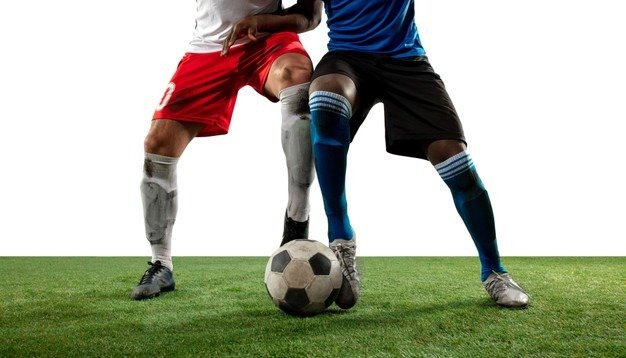
This research focuses on the perceptual cognitive skills that allow athletes to process complex sensory information under pressure. By using virtual reality, players can immerse themselves in realistic match scenarios from a first-person perspective. This method activates the same neural pathways as actual play, allowing for repeated mental practice without the physical exhaustion or injury risk associated with extra time on the training ground.
The training protocol involves players watching real world videos recorded from the perspective of an athlete in the middle of the action. These clips cover various technical areas such as dribbling, passing, and shooting. The footage pauses at a critical moment, requiring the player to decide their next move almost instantly. Feedback is provided immediately after each choice to reinforce the most effective tactical responses.
As the weeks progress, the difficulty of the training increases by reducing the time allowed for a decision. Initially, athletes might have three seconds to evaluate their options, but this is eventually cut in half to mimic the frantic pace of a professional match. This progressive challenge aims to enhance cognitive flexibility and inhibitory control, which helps players suppress impulsive but incorrect choices during high stakes moments.
Beyond improving on field performance, this technology offers a vital lifeline for those undergoing injury rehabilitation. An athlete who is unable to run can still maintain their tactical sharpness and reaction speeds by engaging with these virtual environments. This ensures that their mental game remains at a peak level even when their body is sidelined by physical limitations.
The implications of this work could extend far beyond the stadium. The researchers are investigating whether these improvements in processing speed and focus transfer to everyday life. If virtual reality can train the brain to handle the chaos of a football match, it may also help individuals improve their concentration and decision making in other professional or personal contexts.