

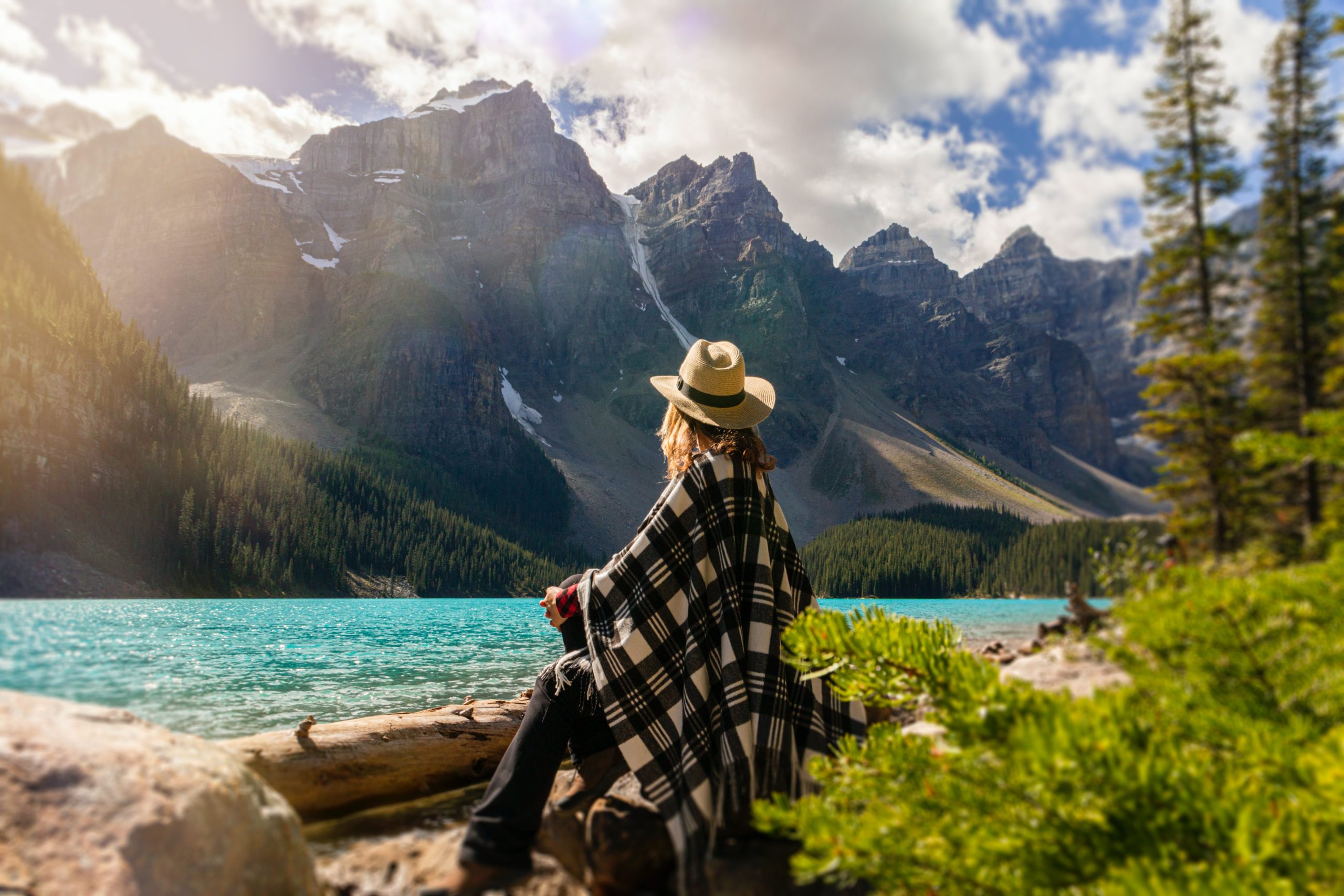
How people share moments in nature online may say less about real experiences than many planners and researchers assume. A large international study suggests that social media platforms offer a fragmented and sometimes misleading picture of how people actually interact with natural spaces, with important implications for environmental planning and conservation. The findings were published in Landscape and Urban Planning.
The research examined thousands of posts linked to visits at a major nature park in Israel, analysing both photos and written comments shared across a wide range of social media platforms. It found that who posts, what they post, and how they express their experiences varies sharply depending on the platform used, creating blind spots when social media data is treated as a neutral record of public behaviour.
Researchers compared content from 13 platforms, including photo sharing, review sites, blogging platforms and video services. They looked at user characteristics such as gender, language and place of origin, as well as the themes that appeared in images and text. These digital traces were then compared with traditional on site visitor surveys to see how closely online behaviour matched real world preferences.
One clear pattern emerged around representation. Some platforms attracted far more international users than others, even though most park visitors were local. Others skewed heavily towards one gender or language group. As a result, relying on a single platform often exaggerated the presence of tourists while underplaying the role of nearby communities who use the park regularly.
The study also showed that images and words tell different stories. Photographs tended to emphasise broad scenery such as trees and sky, elements that appear easily in the background of outdoor photos. Written posts, however, were more closely aligned with what visitors said they valued most, such as specific plants, wildlife, or cultural features. In several cases, text based content mirrored survey findings far more accurately than images alone.
Combining data from multiple platforms did improve demographic balance, bringing together a wider mix of users and languages. However, this did not automatically lead to a more accurate picture of visitor preferences. In some cases, pooled data performed worse than the strongest individual platforms when compared with survey results.
The findings raise important questions for researchers and policymakers who increasingly use social media to guide decisions about green spaces, tourism and conservation. Popular platforms with large user bases do not necessarily provide better insight into how people experience nature. Some widely used photo driven apps were among the weakest at reflecting actual visitor interests.
Instead, the study suggests that careful platform selection matters, and that text analysis may offer a more reliable window into public preferences than images alone. Social media can still be a valuable tool, but only if its limitations and biases are properly understood.
As digital footprints continue to shape research and policy, the authors argue that social media should complement, not replace, traditional methods such as surveys. Without that caution, decisions about natural spaces risk being shaped by the loudest online voices rather than the full diversity of people who use them.