

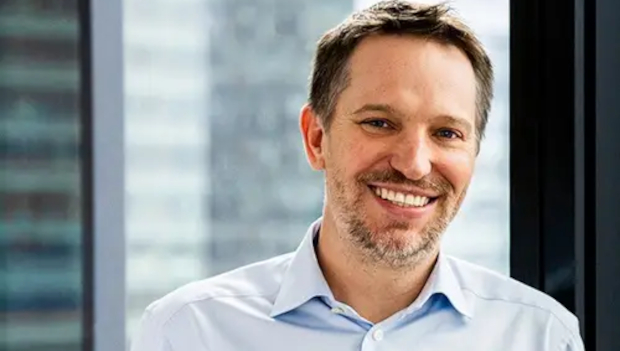
Ryan Roslansky says unprecendeted changes in technology are making it impossible to plan ahead
Pro
Ryan Roslansky, LinkedIn
The traditional five-year career path is becoming increasingly outdated in today’s fast-changing job market, said CEO of LinkedIn Ryan Roslansky on a recent episode of the podcast No One Knows What They’re Doing.
“You’ll hear people frequently say: ‘Hey, you have to have a five-year plan, like, chart out what the next five years of your life are going to look like, and then follow that path and follow that plan,” said Roslansky, “In reality, when you know technology and the labour market and everything is moving beneath you, I think having a five-year plan is a little bit foolish.”
He continued that there needs to be a shift in how we approach careers, urging professionals and organisations to embrace flexibility and adaptability instead of rigid long-term plans.

Roslansky said that technological advances, particularly artificial intelligence and automation, are transforming roles, skills and entire sectors at an unprecedented pace. Expecting people to plan their career path five years ahead is simply not realistic in such a dynamic environment.
Rather than giving up on ambition, Roslansky advocated shorter planning cycles focused on continuous learning and exposure to new experiences. He said that developing transferable skills and staying open to opportunities pays off more than sticking to a fixed plan that can quickly become outdated.
These views align with workforce data from the World Economic Forum, which predicts significant changes in the core skills required for jobs by 2030. As traditional career paths become more fragile, organizations must adapt their planning strategies to reflect this reality.
For HR managers, the challenge lies in aligning organisational planning with the fluid, skills-based nature of modern careers. Companies are shifting from rigid career ladders to more flexible career lattices, where lateral moves, project-based roles and periodic upskilling are seen as essential elements of career development.
This shift requires a rethinking of how careers are structured and rewarded. Organisations need to implement capability-based frameworks, promote internal mobility and give greater weight to adaptability than to seniority when it comes to promotions. Ongoing learning opportunities are crucial to enable employees to respond effectively to new demands.
Roslansky’s comments underscore the limitations of traditional long-term planning in a world of rapid technological change. While five-year plans can offer a sense of comfort, they provide only limited accuracy when it comes to predicting future career paths. In this changing landscape, success will go to those who plan on a shorter horizon, prioritize continuous learning and remain flexible enough to seize new opportunities.
Business AM