


Every time you get in a car, you trust that other drivers will be careful and follow the rules. But accidents still happen every day, even when they could have been avoided. Most crashes are not just bad luck; they are caused by common mistakes, distractions, or poor decisions on the road.
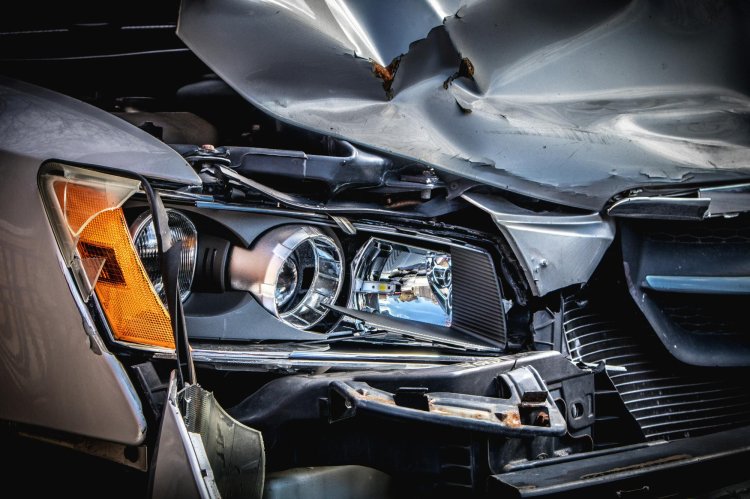
Photo by Clark Van Der Beken on Unsplash
These accidents not only cause injuries but also lead many victims to seek compensation for the harm they suffer.
When experts look at accident data, they find patterns that show how small changes in behavior could prevent many crashes from happening in the first place. Understanding these patterns can help you become a safer driver and protect yourself and others.
What the Numbers Show
Traffic reports and safety studies have made one thing clear: most accidents are preventable. Data from across the country shows that the majority of crashes come down to human error. This includes things like distracted driving, speeding, following too closely, or not paying attention to road signs.
Even a quick glance at your phone or turning up the radio can lead to disaster in just a few seconds. Studies show that looking away from the road for even five seconds while driving at highway speed is like driving the length of a football field with your eyes closed.
Distracted Driving Is a Leading Cause
Distracted driving is one of the most common reasons behind preventable crashes. Many drivers think they can multitask—answer a text, grab a bite to eat, or check a GPS—without losing focus. But research proves that the brain cannot handle two attention-heavy tasks at once.
In fact, distractions are now one of the biggest causes of crashes in the United States. Each year, thousands of people are hurt or killed because someone’s attention slipped away at the wrong time.
Speeding and Reckless Driving
Another major finding from accident data is how dangerous speeding can be. Going over the speed limit doesn’t just make a crash more likely—it also makes it much more severe. The faster a vehicle is moving, the harder it is to stop or control, especially in bad weather or heavy traffic.
Reckless driving, such as tailgating or weaving between lanes, also plays a huge role in crashes. These actions leave almost no time to react if something unexpected happens. Slowing down, keeping a safe distance, and staying calm behind the wheel are simple ways to prevent many of these accidents.
Driving Under the Influence
Alcohol and drugs continue to cause serious and deadly accidents every year. Despite strict laws and public awareness campaigns, impaired driving remains a top cause of preventable crashes. Accident data shows that drivers under the influence have slower reaction times and poorer judgment, making it harder to avoid a collision.
Choosing not to drive after drinking or using drugs is one of the easiest ways to keep yourself and others safe. Calling a ride or waiting until you are sober can prevent a tragedy that could change lives forever.
Weather and Road Conditions
While we can’t control the weather, we can control how we respond to it. Many accidents happen during rain, fog, or icy conditions because drivers fail to slow down or adjust their driving style. Data shows that cautious driving—reducing speed and increasing following distance—greatly reduces the risk of a crash in poor conditions.
Keeping your tires, brakes, and windshield wipers in good shape also makes a big difference when the weather turns bad.
Key Takeaways
- Most car crashes are preventable and caused by human error.
- Distracted driving, speeding, and reckless behavior are top causes of accidents.
- Alcohol and drug use remain leading factors in serious crashes.
- Adjusting your driving for bad weather can help you stay safe.
- Paying attention and staying calm behind the wheel can save lives.