

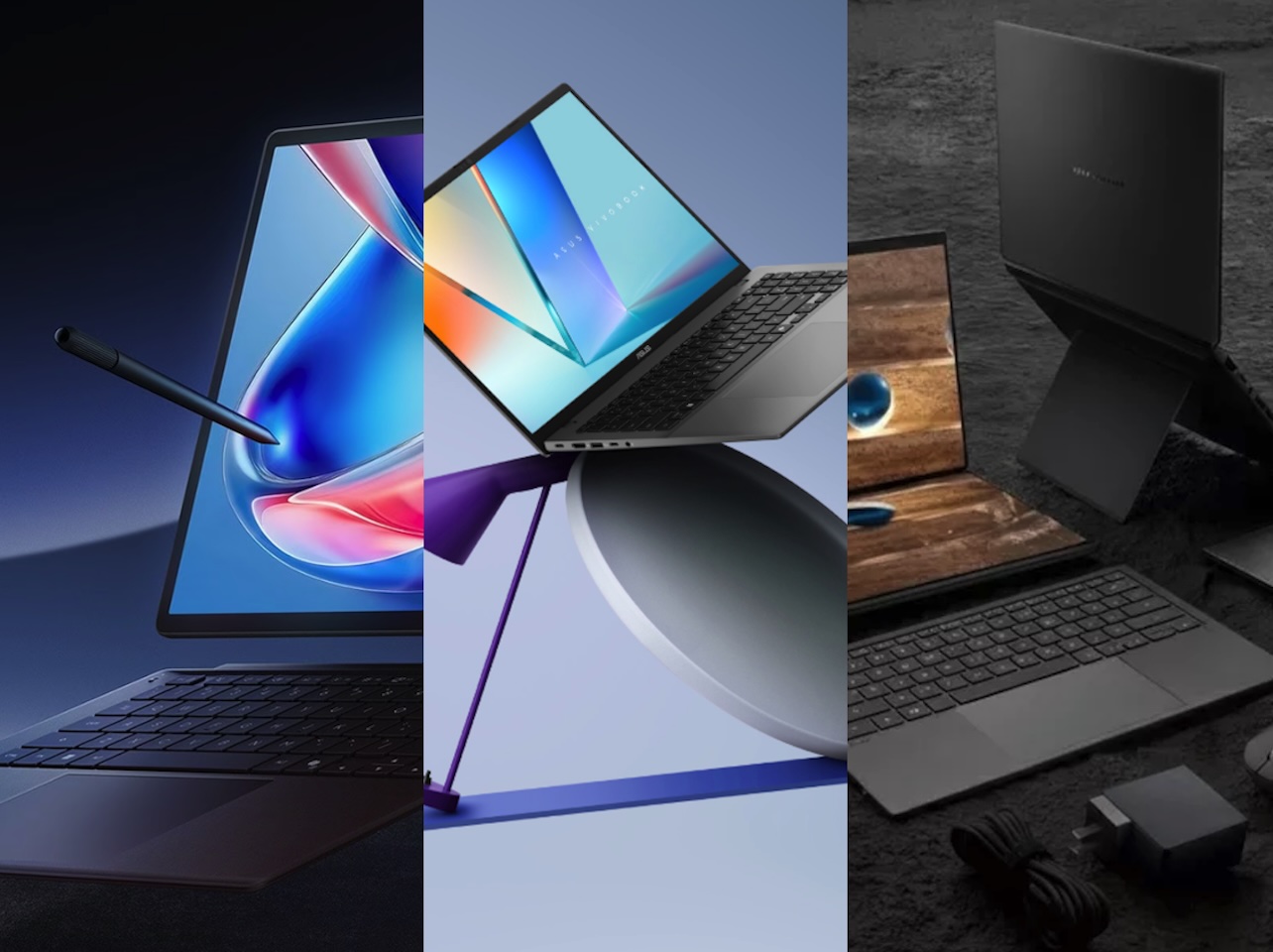
Laptop launches happen in waves at CES, and most of what gets announced is noise. Processor bumps that look impressive on spec sheets but vanish in real use. Display brightness claims that sound dramatic until you realize the difference between 800 and 900 nits doesn’t register to human eyes in typical lighting. Battery estimates that assume you’re doing nothing but staring at a static document with the screen dimmed.
Price: Varies
Where to Buy: Asus
ASUS announced a pile of machines at CES 2026, and buried in that pile are eight laptops that fix actual problems instead of just refreshing model numbers. These aren’t the flashiest announcements or the ones that’ll generate the most press coverage. They’re the machines that address longstanding compromises users have been accepting because nobody bothered to solve them. Weight penalties that felt permanent, design gaps that seemed inevitable, material choices that prioritized factory costs over three-year durability.
What matters isn’t what ASUS announced. It’s what they fixed.
Add The Gadgeteer on Google Add The Gadgeteer as a preferred source to see more of our coverage on Google.
ADD US ON GOOGLE
ZenBook A16: The 16-Inch Weight Problem Just Vanished
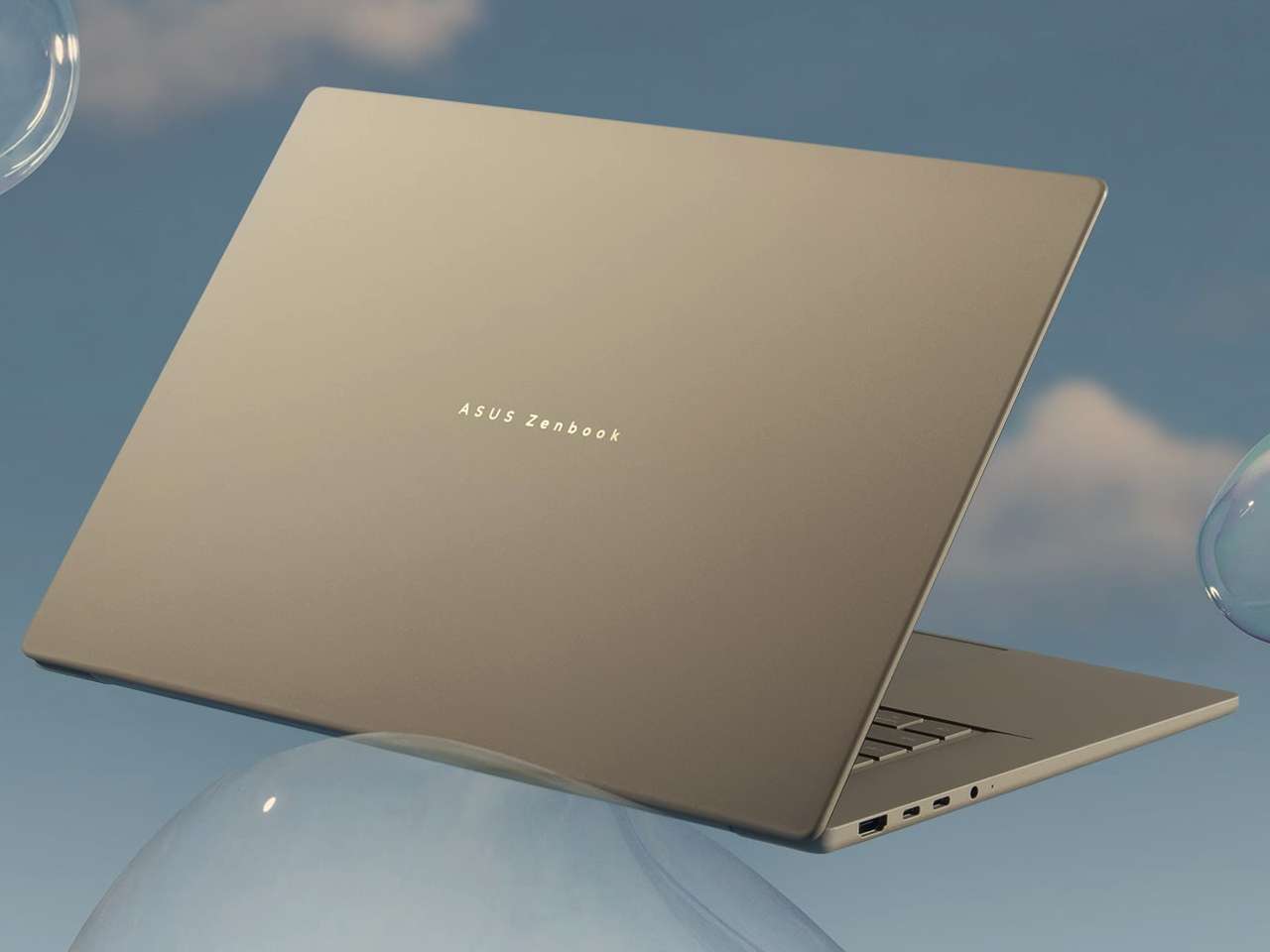
A 16-inch laptop weighs 1.2 kilograms. That’s lighter than a 13-inch MacBook Air, which sounds impossible until you hold one. All those explanations laptop makers have been giving for years about why big screens require heavy chassis just stopped applying. Structural needs, battery size, cooling requirements, none of it matters anymore because ASUS built a 16-inch OLED ultrabook that weighs less than Apple’s smallest portable.
This isn’t a concept piece or a limited production run. It ships this quarter as a regular product. Inside sits a Snapdragon X2 Elite Extreme processor that delivers similar performance to last year’s flagship chips at 43% less power draw, which is what makes the weight reduction possible. Lower power means smaller battery, less cooling, thinner structural supports.
Display quality doesn’t suffer to hit that weight target. You get 2880×1800 resolution at 120Hz with 1100 nits peak HDR brightness, which puts it ahead of most premium displays on any laptop regardless of size. Battery life exceeds 21 hours of typical use, better than most 13-inch Windows laptops manage.
The catch is real and worth understanding before you buy. Snapdragon laptops still require compatibility conversations. Most productivity software runs natively or through emulation that’s invisible to users, but gaming remains a clear limitation. If your workflow fits the platform, though, the ZenBook A16 removes the weight justification that’s defined 16-inch laptops since the category existed.
What changed isn’t just the processor. It’s the assumption that bigger screens cost you in portability. If a 16-inch laptop can weigh 1.2kg, every weight claim in the category needs recalibration.
Price: €999 ($1,179)
Where to Buy: Asus
ZenBook Duo: Dual Screens Without the Gap That Ruins Everything
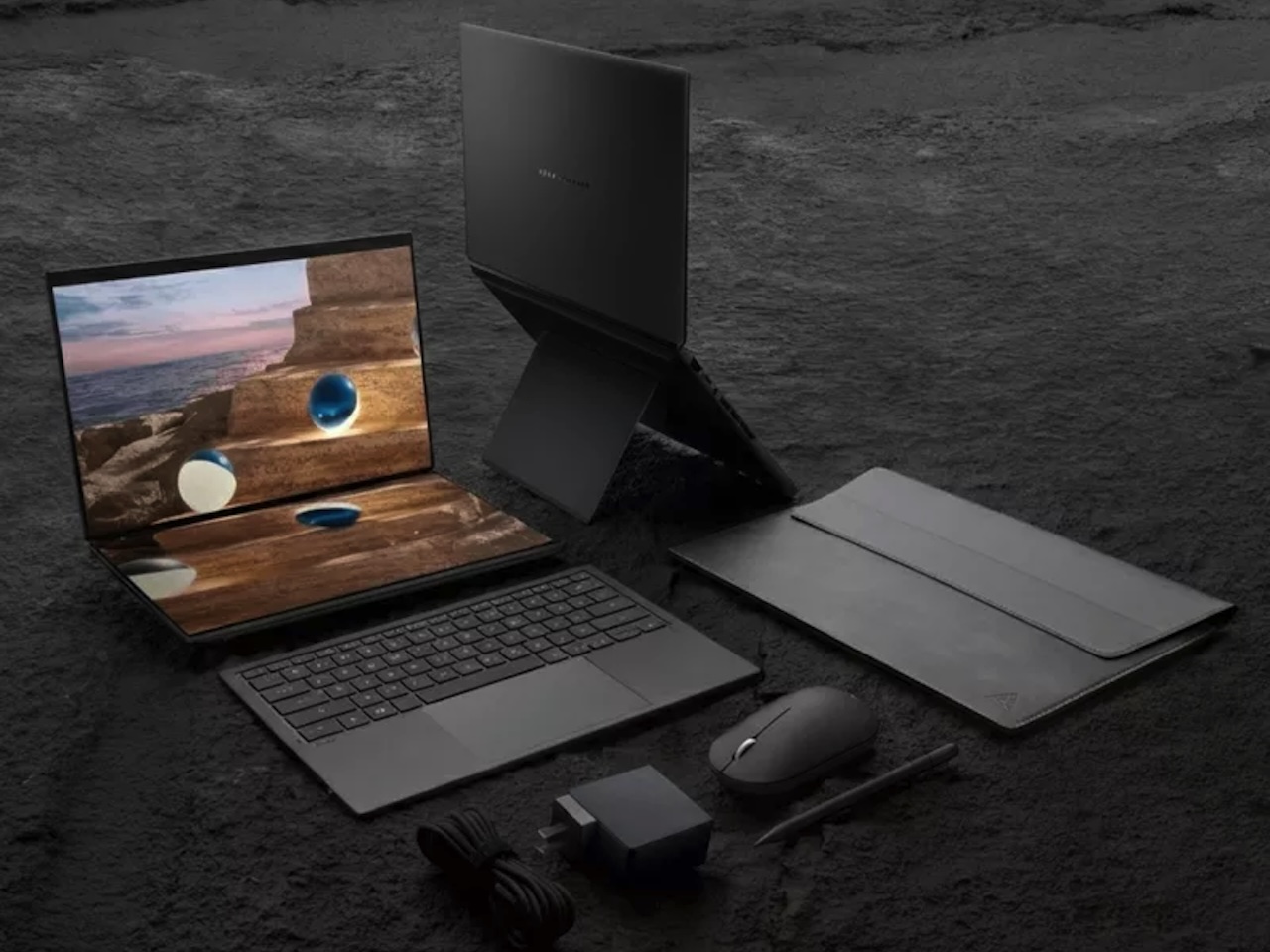
Dual-screen laptops have always forced compromises. A visible gap between displays that broke focus every time your eyes crossed it. Hinges that felt engineered by people who’d never used hinges. Thermal throttling that undermined whatever productivity gains two screens promised. Weight that made the whole concept feel like a desktop replacement pretending to be portable.
ASUS redesigned the hinge mechanism to pull the two 14-inch OLED displays close enough that the seam becomes negligible. You still see it if you’re looking for it, but it stops breaking immersion the way previous dual-screen designs did. Both panels use glossy anti-reflective coating instead of matte, which wasn’t arbitrary. Dual screens sit at different angles relative to ambient light, and matte coatings look inconsistent when two screens tilt differently. Glossy maintains color consistency across both displays, which you notice immediately when you’re working across both panels.
The laptop folds completely flat, which enables collaborative work where you want someone across a table to see what you’re showing them. Battery splits into two packs positioned on either side of the touchpad mechanism, which let ASUS fit the haptic engine without adding thickness. Combined capacity hits 99Wh, and Intel Core Ultra Series 3 delivers enough processing power to drive both displays simultaneously without the thermal problems that plagued earlier attempts. For workflows that benefit from persistent reference material, code on one screen and documentation on the other, design work with tools separated from canvas, the ZenBook Duo removes the gap problem that made previous dual-screen laptops feel like prototypes instead of finished products.
Whether that’s worth the cost and weight compared to a single large display depends on how you work, but at least the gap isn’t the dealbreaker anymore, and that changes the conversation entirely.
Price: From $2,099 | £2,499.99
Where to Buy: Asus
Zephyrus G14: Intel Arrives and the Identity Gets Messy
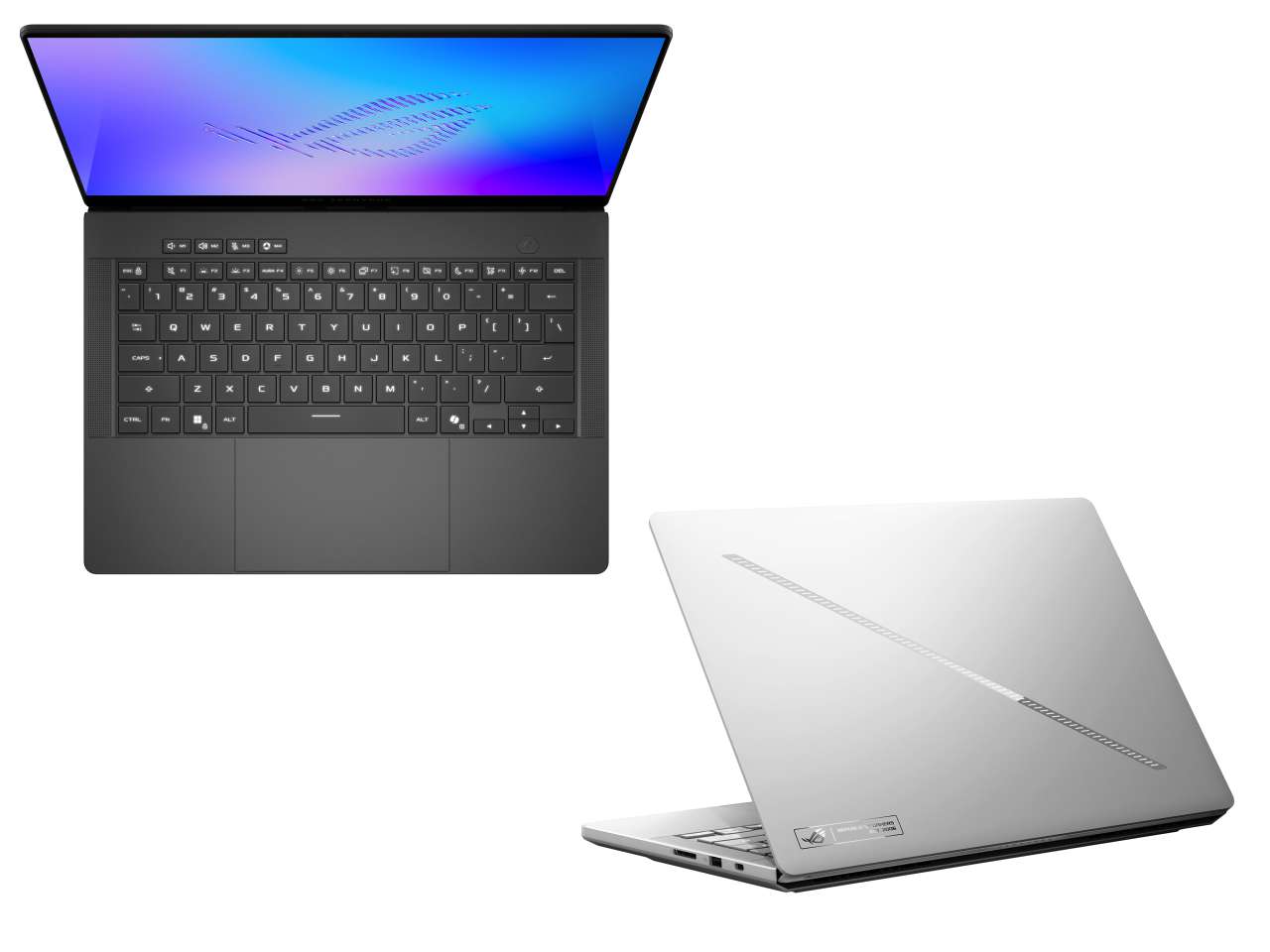
The Zephyrus G14 meant one thing for four years. AMD-only gaming in a thin chassis. A clear positioning built on Ryzen exclusivity that made the G14 instantly recognizable in a category full of generic gaming boxes. ASUS just broke that rule by offering Intel Core Ultra Series 3 chips in the same chassis, and the hardware improvements are real but the identity question is legitimate.
Performance ceiling jumps with 130W TGP, which is a meaningful increase. Display moves to 1000-nit peak HDR brightness on OLED, double the previous 500-nit ceiling.
Animatrix LED array expands from 24 zones to 35, and a full-size SD card reader fits into the chassis though the card sticks out about a third when inserted, which feels like a compromise that didn’t need to happen. These hardware upgrades deliver tangible improvements in gaming performance and visual quality.
What gets complicated is the regional spec split. In the US, both Intel and AMD G14 variants get the upgraded 2026 display. Everywhere else, the AMD model uses the previous-generation panel. Same model name, different specifications depending on where you buy, which creates confusion that undermines the whole point of model consistency. AMD buyers outside the US get older cooling, previous-gen display, and previous-gen chassis wearing a 2026 badge.
For Intel buyers who wanted the G14 form factor but wouldn’t touch AMD, this is permission to finally buy one. For AMD loyalists, it’s worth asking what the G14 stands for anymore. By offering both platforms, ASUS turned the G14 from a positioning statement into a checkbox list. Instead of “this is the thin AMD gaming laptop,” it’s now “here’s a thin gaming laptop, pick your processor.”
Hardware performs well either way. The question hitting forums isn’t about performance, it’s whether ASUS just saved the G14 or killed what made it special. That answer depends on whether you cared more about platform exclusivity or form factor, and that split is exactly the problem ASUS created by trying to please everyone. By adding Intel, ASUS made the G14 accessible to buyers who avoided AMD while erasing the positioning clarity that made the G14 memorable.
ProArt PZ14: A Stylus That Fakes Paper Feel
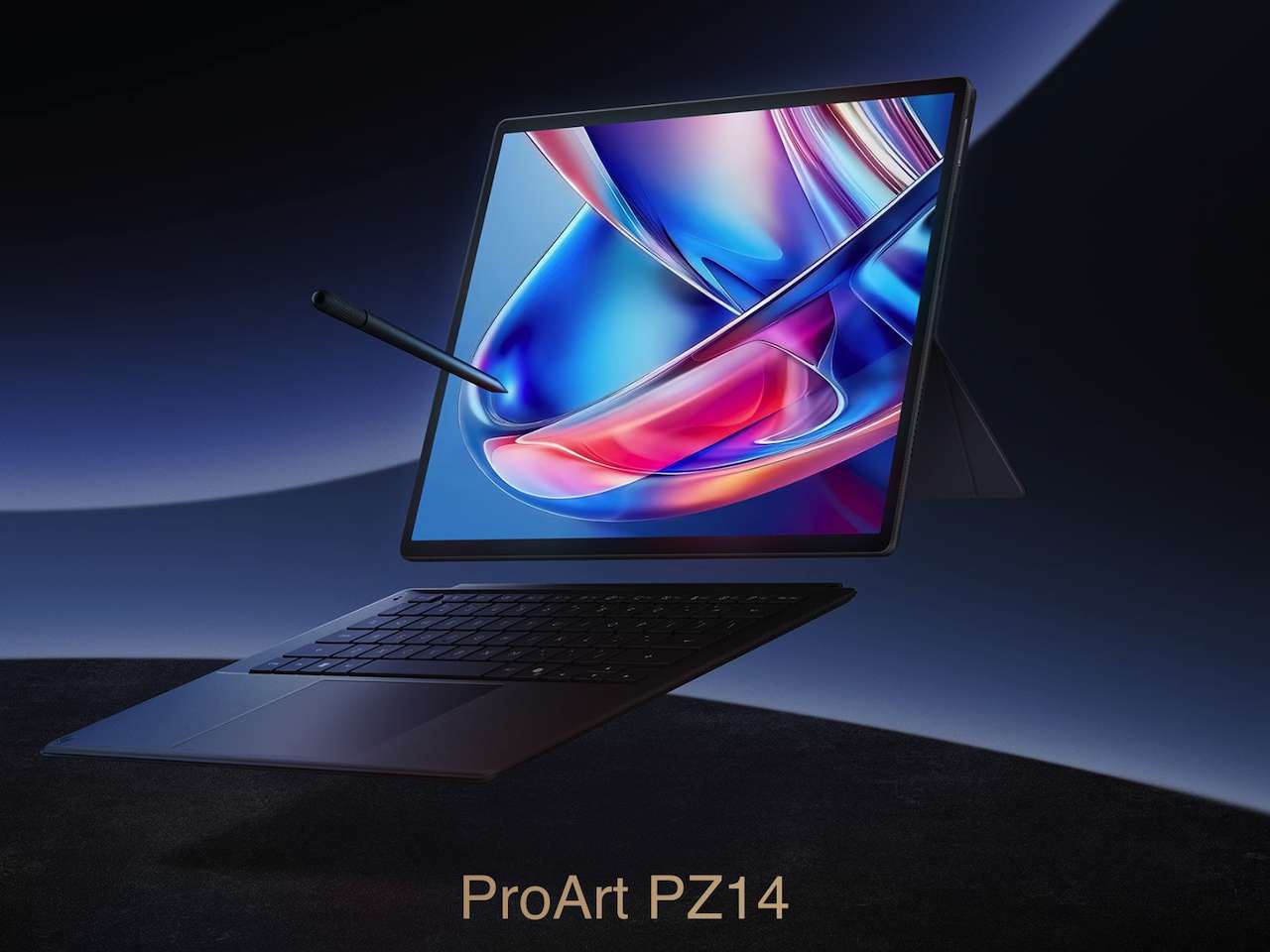 Pressure sensitivity improved years ago. Tilt detection became standard. Palm rejection finally stopped ruining sketches mid-stroke. Digital styluses checked every technical box for professional illustration and note-taking, yet they never solved the fundamental problem. Dragging plastic across glass feels nothing like ink on paper, and your hand knows it immediately.
ASUS built a stylus with an integrated haptic engine that generates micro-vibrations calibrated to simulate paper resistance. As you write or draw, the motor pulses in response to stroke speed and pressure, attempting to recreate the subtle drag you feel when a felt-tip catches paper fibers. Rather than adding texture to the glass, ASUS added the sensation of texture to the pen itself. Apple’s Pencil Pro introduced haptic feedback in 2024 for squeeze gestures and tool switching, not for writing feel. Samsung’s S Pen offers no haptic simulation at all. ASUS is first to use haptic motors specifically to address the glass-feels-like-glass problem, and users who prefer smooth, frictionless gliding can disable the feature entirely. The stylus runs MPP 2.6 protocol with improved latency over previous versions.
Hardware upgrades beyond the stylus matter too. Display expands from 13 inches to 14 inches while keeping chassis at 9mm thick. Processor options jump from Snapdragon X at 8 cores to Snapdragon X2 Elite Extreme with 18 cores, pushing NPU performance to 80 TOPS for on-device AI tasks.
Whether haptic simulation proves more effective than a decade of iterative surface improvements remains to be seen. It’s a different solution to a problem that hasn’t moved much in years, and for digital artists who’ve been waiting for styluses that feel less like glass, this is the first meaningful attempt at solving texture through the pen instead of the surface.
Price: From $2,800
Where to Buy: Asus
ProArt PX13 GoPro Edition: A Collaboration That Goes Past Stickers
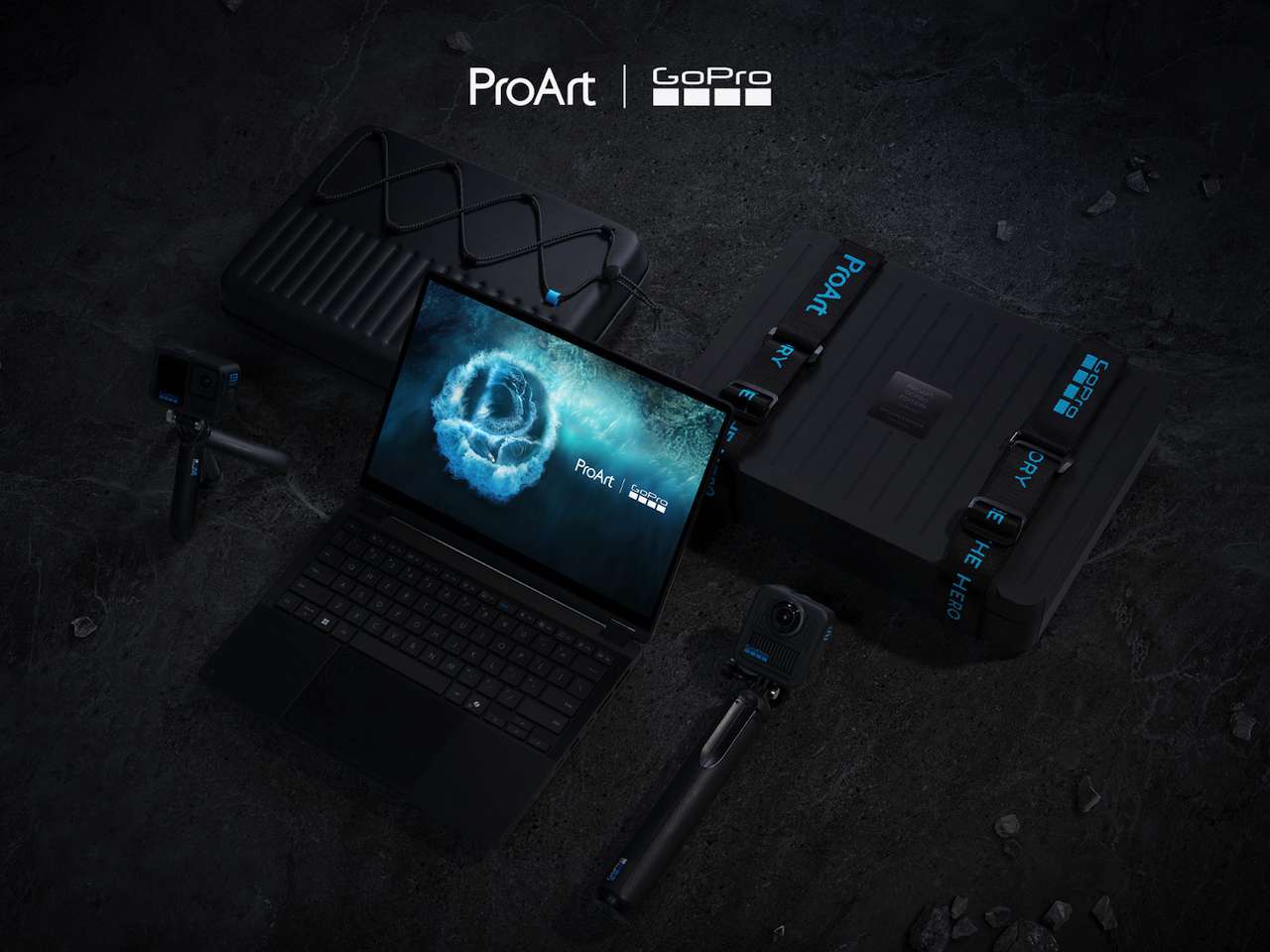 Laptop manufacturers partner with camera brands constantly, and the results typically disappoint. Co-branded stickers, bundled software trials, maybe a color variant that references the partner’s visual identity. The workflows that define each brand’s users rarely influence actual hardware design. The ProArt PX13 GoPro Edition attempts something different by building GoPro design vocabulary into the laptop form factor and making retail packaging double as functional gear storage.
Visual collaboration draws from GoPro Hero camera aesthetics rather than generic action sports imagery. Vertical lines on the chassis reference texture patterns on GoPro camera bodies. Matte and glossy black contrasts mirror the material finish decisions GoPro makes. Keyboard backlight uses no-chrome blue, a specific shade between blue and teal. Overall effect reads as GoPro design language applied to laptop form rather than GoPro logos slapped onto existing laptop design. Retail packaging contains foam cubes that can be rearranged or removed, letting users customize the interior to create fitted storage for cameras, lenses, batteries, and accessories.
Retail box becomes a protective case for field equipment rather than something destined for recycling. A separate hardshell carry case uses the same belt-attachment system as GoPro accessories, which means it integrates with existing GoPro mounting gear. Base platform runs Strix-Scale AMD Ryzen AI MAX+ 395 processors with up to 128GB memory support, and at 1.4kg the convertible functions as either clamshell laptop or tablet. For GoPro users who edit on location, the combination addresses the workflow of creators who shoot footage and need to edit before returning to a studio, and for creators who don’t use GoPro cameras, the standard ProArt PX13 delivers identical performance without the aesthetic additions.
ExpertBook Ultra: Thin Business Laptops That Don’t Scratch to Hell
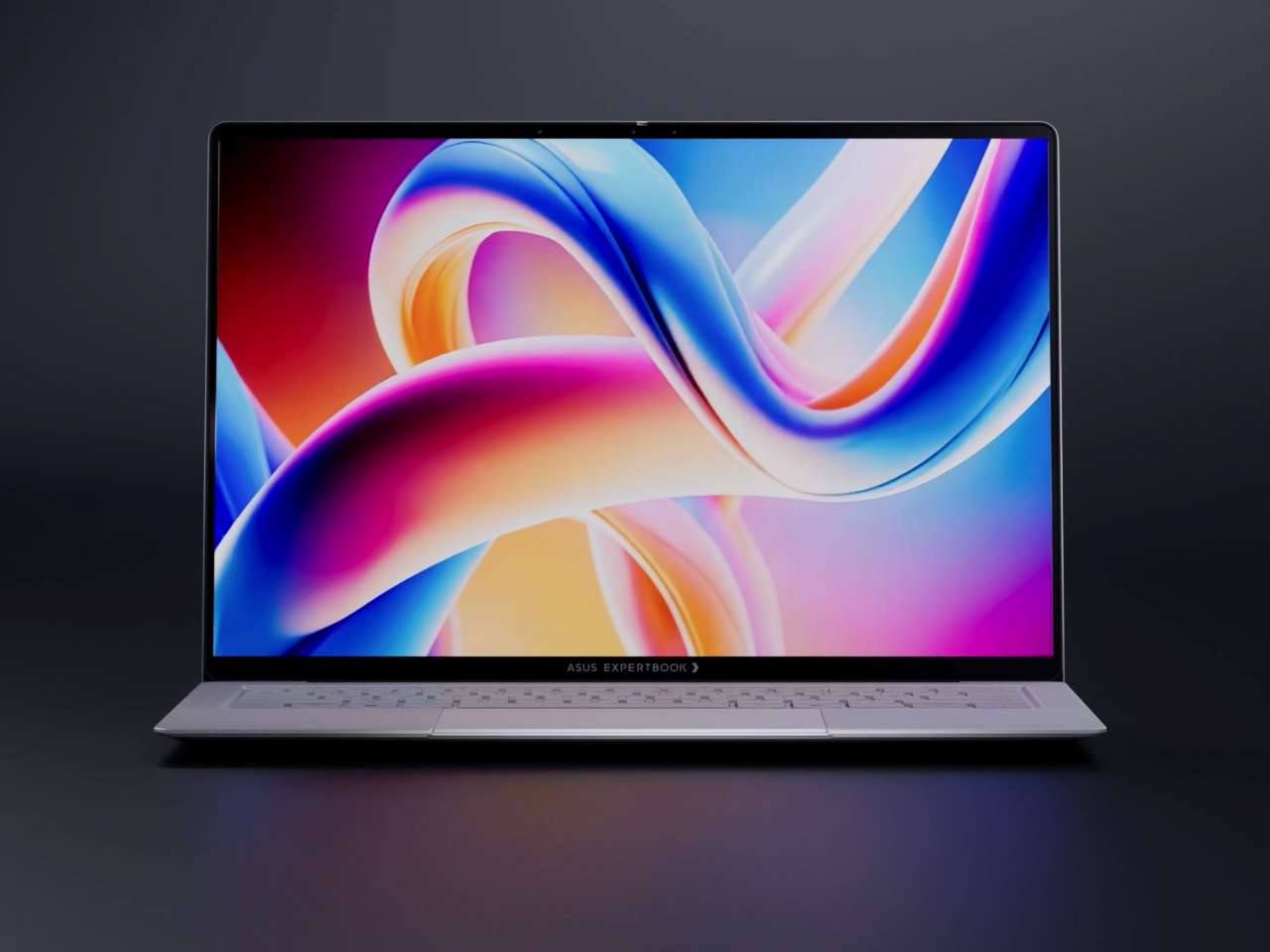
Business laptops have chased MacBook thinness while ignoring what actually makes a laptop survive three years of daily abuse. Aluminum scratches, magnesium dents, and the coatings that protect consumer laptops prioritize appearance over durability. Most thin business laptops show wear within months of bag time because manufacturers optimize for factory cost instead of longevity.
ExpertBook Ultra measures 10.9mm at its thinnest point and weighs approximately one kilogram. Nanoceramic coating covering the chassis achieves 9H hardness on the pencil hardness scale, harder than most materials you’d encounter in daily use. It resists scratches from keys, coins, and the random objects that share bag space with laptops. Coating process uses plasma electrolytic oxidation with a sealing layer that produces a surface feel ASUS describes as similar to a nonstick frying pan.
Engineering a haptic touchpad into a chassis this thin required creative problem solving. Battery splits into two packs positioned on either side of the touchpad mechanism, which let ASUS fit the haptic engine without adding thickness. Combined capacity hits 75Wh, and the split design allowed them to fit haptic feedback without compromising battery life or chassis dimensions.
Cooling system allows sustained operation at up to 50W. For a laptop this thin and light, that power envelope is aggressive thermal engineering. Keyboard temperature stays controlled under load, and noise stays below 35 decibels at full utilization. Display runs at 1400 nits HDR brightness with OLED technology and touch support, exceeding what most laptop displays deliver.
ASUS suggests pricing will be more affordable than expected for the feature set, which positions this below premium ultrabooks while delivering durability that most premium machines can’t match. For business buyers tired of replacing scratched laptops every two years, the nanoceramic coating alone justifies consideration.
TUF Gaming A14: Strix-Scale at Budget Pricing
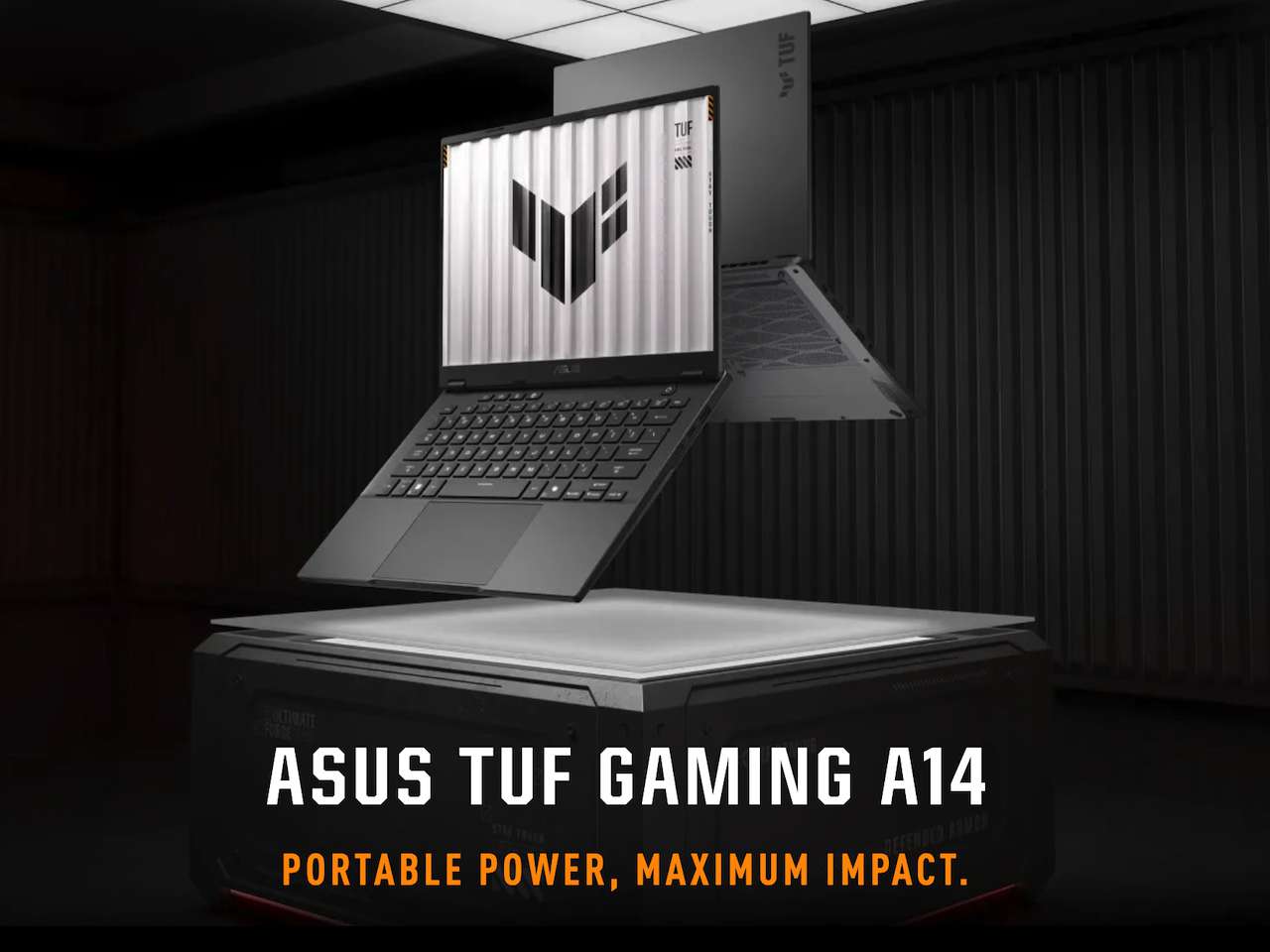
ASUS TUF Gaming A14 adds an AMD Ryzen AI MX processor option for 2026, positioning this as the best price-performance Strix-Scale laptop on the market. Strix-Scale is AMD’s answer to the integrated graphics ceiling, delivering significantly more GPU performance than previous integrated solutions while addressing a longstanding limitation in memory access. AMD worked with Microsoft to improve memory management on Strix-Scale, allowing the integrated GPU to fully address system memory without the CPU copying bottleneck that previously limited local AI workloads, and ASUS claims it “completely takes everything by surprise” compared to competing architectures like Intel’s Lunar Lake, though specific benchmarks supporting that claim weren’t provided at announcement.
TUF branding has always targeted value-focused buyers, and the A14’s “best price-performance” positioning means this won’t compete with ASUS’s premium Strix-Scale offerings like the ProArt PX13. Instead it brings Strix-Scale’s integrated graphics improvements to a price point where buyers previously had to choose between portability and any meaningful GPU capability. For users whose needs sit below discrete GPU territory, casual gaming, light creative work, AI experimentation, Strix-Scale on TUF pricing could eliminate the need for dedicated graphics entirely.
Three More ZenBooks, Three Different Priorities

ASUS refreshed its ultrabook lineup for 2026 with iterative updates rather than architectural changes. ZenBook A14, ZenBook S14/S16, and Vivobook S14/S16 all received processor upgrades and refinements. Together they demonstrate how ASUS segments its portable lineup by priority. Weight, display, or price. Pick your priority, and there’s a ZenBook for it.
ZenBook A14 that made Oprah’s Favorite Things list returns with Snapdragon X2 Elite processors. Sub-1kg chassis, 28+ hour battery life, and full metal construction all continue. CPU speeds up to 50% faster than last generation, GPU performance more than doubles, and NPU gains 78% additional capability. This is the weight-first option, and everything else bends to keep chassis under one kilogram.
ZenBook S14 and S16 upgrade to HDR 120Hz 1100-nit OLED panels with touch support. Brightness increase doubles the HDR peak luminance available in previous generation. ASUS removed the CNCA monogram from the lid and enlarged the vapor chamber for improved cooling. This is the display-first option, prioritizing visual quality and brightness over weight savings.
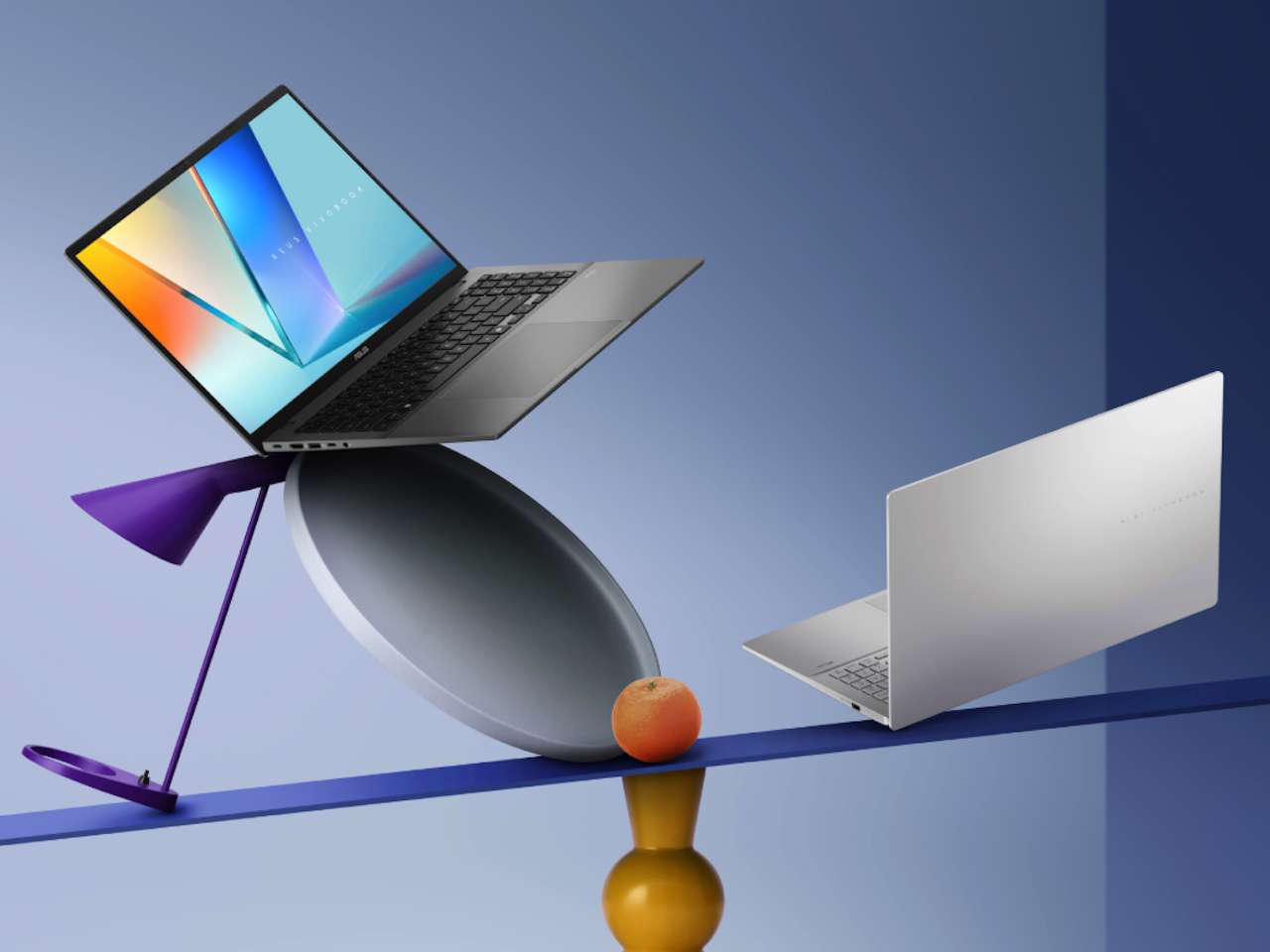
The ASUS Vivobook S14/S16 brings the 18-core Snapdragon X2 Elite to a price tier below ZenBook A and S series options. Display provides 16-inch QHD OLED resolution between HD and 4K. Weight lands at 1.74kg, and chassis uses metal construction, positioning this above all-plastic budget options while below premium materials in higher-tier ZenBooks. This is the price-first option, delivering Snapdragon X2 performance at a lower entry point.
These processors enable AI features that run locally without cloud dependencies, which matters for privacy-conscious users or workflows that handle sensitive data. Microsoft’s Copilot+ certification requires specific NPU performance thresholds, and all three ZenBooks exceed those requirements. On-device image generation, real-time translation, and background blur processing all happen without sending data off your machine.
All three are iterative improvements over 2025 models. None justify upgrading from recent purchases unless specific improvements address specific pain points. If you bought a 2025 ZenBook, there’s no compelling reason to replace it. If you’re shopping for a new ultrabook and weight matters most, buy the A14. If display quality matters most, buy the S14 or S16. If price matters most, buy the Vivobook S16.
Who This Is For
These laptops solve specific problems that have persisted in their categories for years. A 16-inch laptop that weighs less than a 13-inch MacBook removes the weight penalty from big screens. A dual-screen design that minimizes the gap removes the visual break from dual displays. A stylus that simulates paper feel addresses the sensory mismatch of glass. A business laptop coated to survive abuse removes fragility from thin portables.
None of these are category-defining moments, but together they’re something more useful. Incremental improvements that address real frustrations users have been accepting because alternatives didn’t exist. Whether these improvements justify upgrades from recent purchases depends on which frustrations you’ve been carrying, and for how long.
Price: Varies
Where to Buy: Asus
ASUS’ CES 2026 laptop lineup wasn’t about disruption. It was about solving problems manufacturers have been ignoring while chasing benchmark numbers and marketing claims that don’t translate to better daily use.
Love our content?
Sign up for our newsletter today.
No ads, no spam, just links to our latest articles!