


ARTICLE – Apple just dropped the new MacBook Pro with M5 Pro and M5 Max, and the spec sheet reads like someone got a little too creative with the numbers. Two chips fused together, a new type of CPU core Apple is calling “super cores,” and AI performance gains that make the previous generation look like it was holding back. The 14-inch and 16-inch models are up for pre-order on March 4 and ship March 11, starting at $2,199 for the M5 Pro and $3,599 for the M5 Max. Here are the details that caught our attention.
Price:From $1,699
Where to Buy: Apple
Add The Gadgeteer on Google Add The Gadgeteer as a preferred source to see more of our coverage on Google.
ADD US ON GOOGLE
1. Apple literally fused two chips together and called it architecture
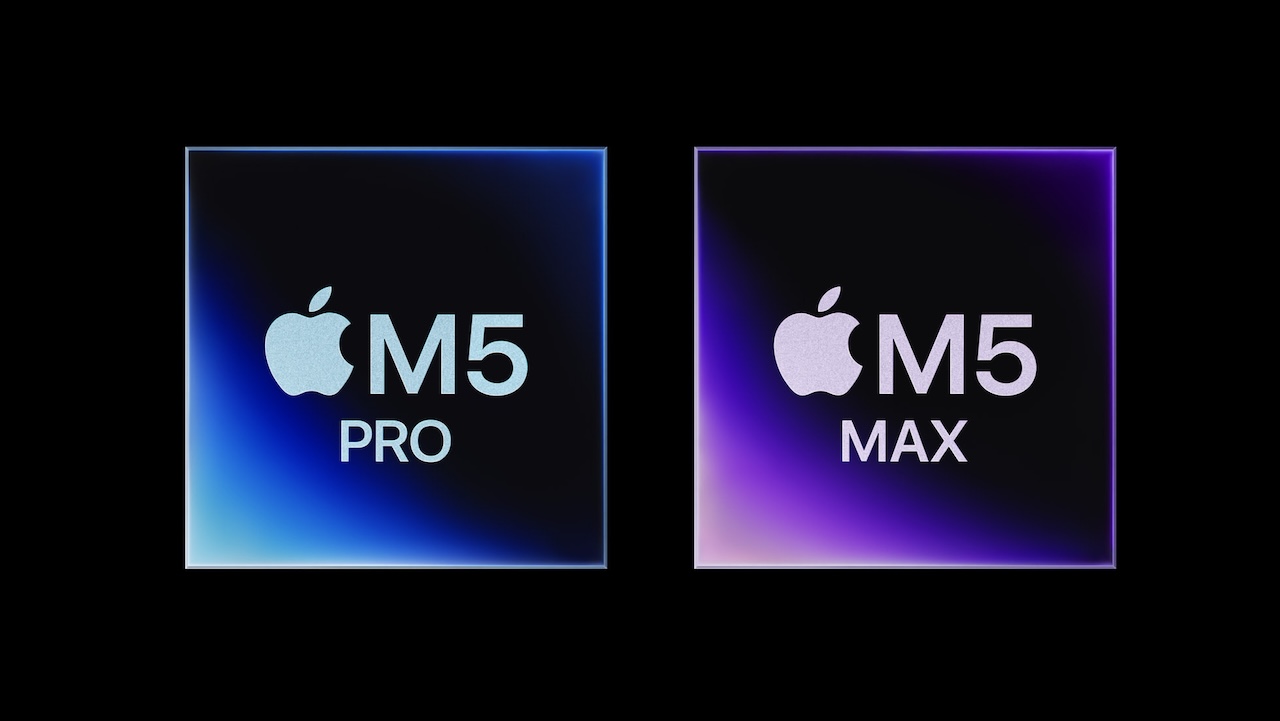
The M5 Pro and M5 Max use something Apple calls Fusion Architecture, and the concept is delightfully literal. Two separate third-generation 3-nanometer dies are connected into a single system on a chip using advanced packaging. Together, the two dies house a powerful CPU, scalable GPU, Media Engine, unified memory controller, Neural Engine, and Thunderbolt 5 capabilities. Apple has been building everything into a single slab of silicon for years, so splitting the design into two dies and then fusing them back together feels like a plot twist nobody saw coming. The practical upside is real, though: it lets Apple scale performance without the thermal and manufacturing headaches of cramming everything onto one massive die.
2. The M5’s “super cores” are now a real thing

Apple renamed its highest-performance CPU cores to “super cores,” and the naming actually tracks. These are the fastest single-threaded CPU cores in any laptop, according to Apple, driven by increased front-end bandwidth, a new cache hierarchy, and enhanced branch prediction. The M5 Pro and M5 Max pack six of them alongside 12 all-new performance cores optimized for multithreaded workloads. That 18-core total is a jump from the M4 Pro’s 14 cores, and Apple says the result is up to 30 percent faster CPU performance for pro workloads. If you’re wondering what’s faster, M5 or M4, the short answer is everything: CPU, GPU, AI inference, and storage all post significant gains this generation. The super core name is retroactive too: every M5-based product now uses the same branding for its top-tier cores, from MacBook Air to Apple Vision Pro.
3. Every single GPU core has its own AI accelerator
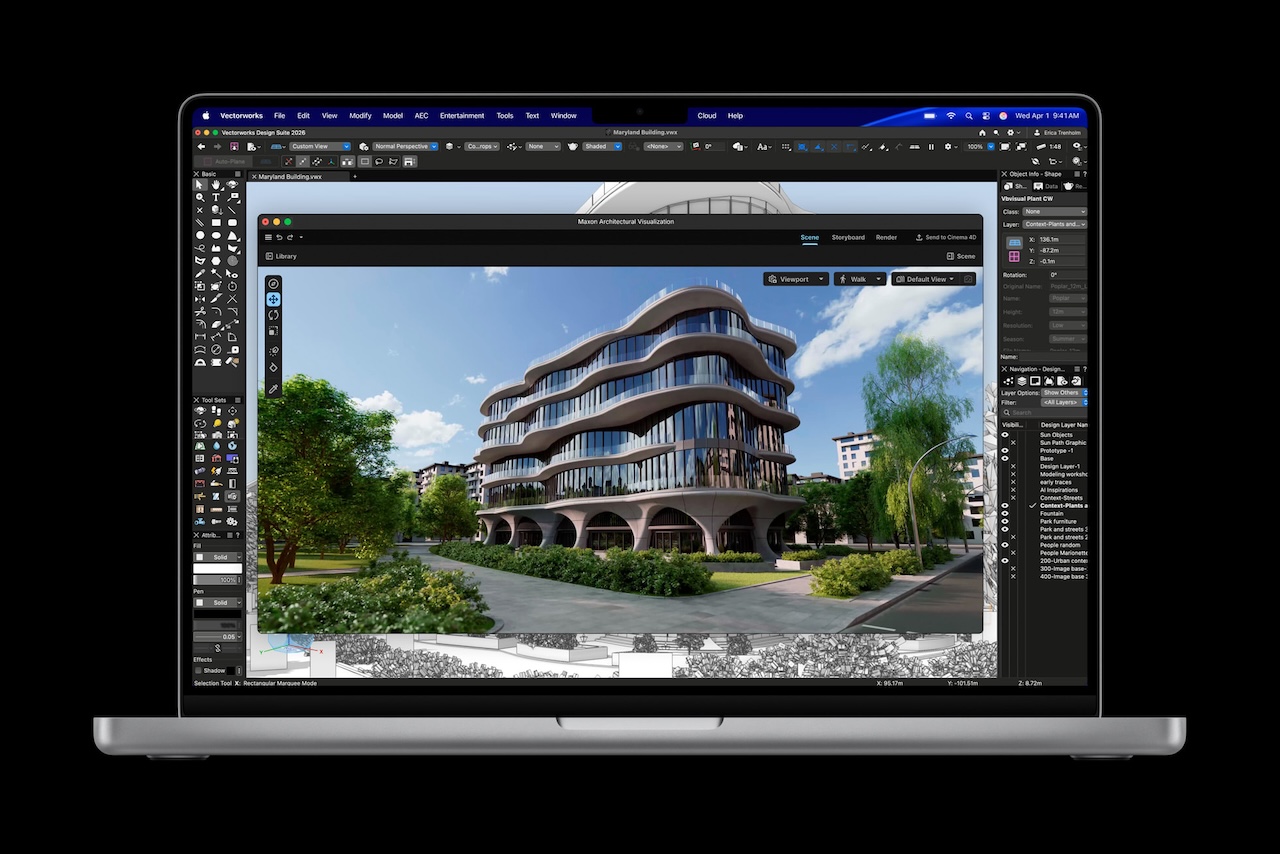 This one quietly changes the math on what a laptop can do with AI. Instead of relying solely on a separate Neural Engine for machine learning tasks, Apple embedded a Neural Accelerator directly inside each GPU core. The M5 Pro has up to 20 GPU cores, each carrying its own accelerator. The M5 Max doubles that to 40. The result is over 4x the peak GPU compute for AI compared to the M4 Pro and M4 Max, and the numbers get wilder against the M1 generation: up to 8x faster AI image generation. For context, LLM prompt processing runs up to 3.9x faster on the M5 Pro than the M4 Pro and up to 4x faster on the M5 Max versus the M4 Max.
4. You can run serious AI models without an internet connection
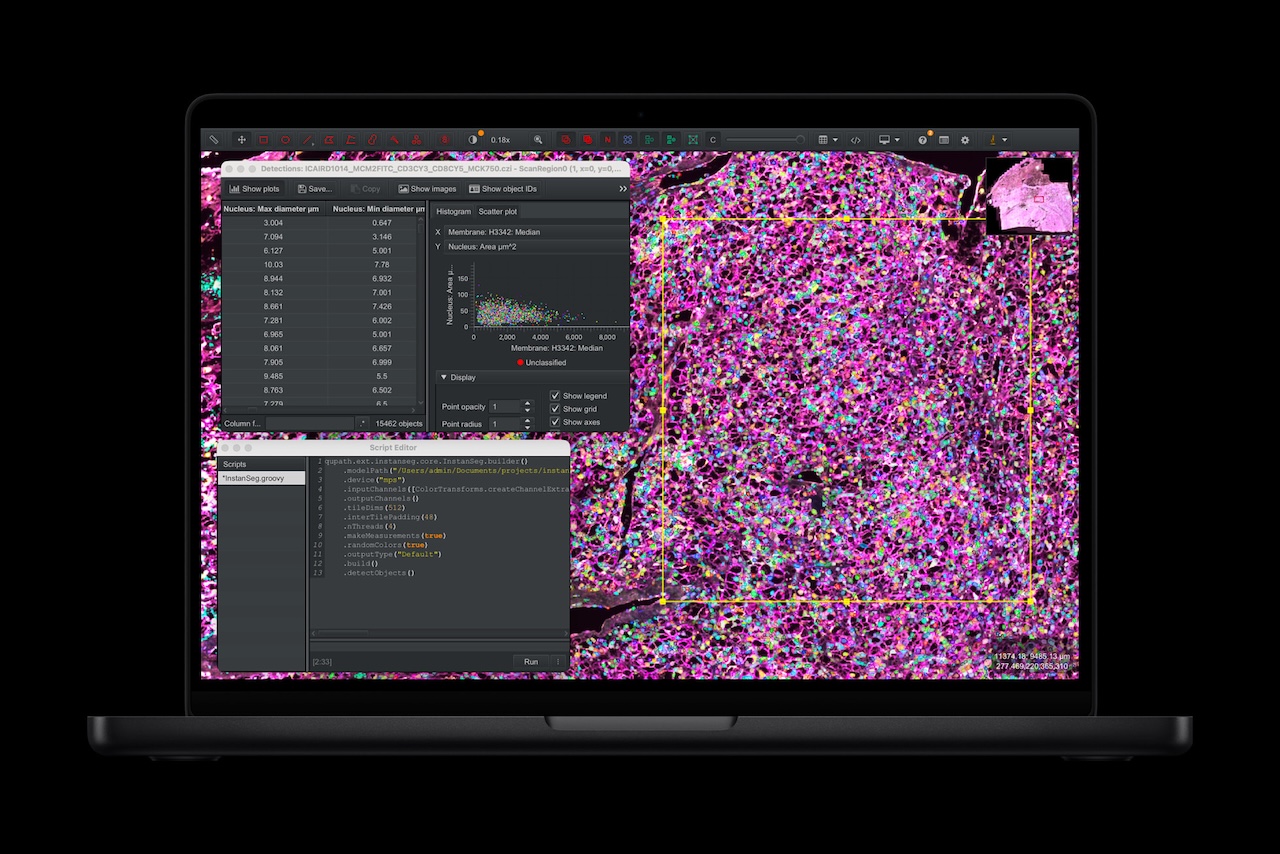 The combination of Neural Accelerators, a faster 16-core Neural Engine, and up to 128GB of unified memory on the M5 Max means this laptop can handle large language models locally. Apple specifically called out LM Studio and on-device agentic coding in Xcode as use cases during the announcement. The M5 Max’s 614GB/s memory bandwidth keeps data flowing fast enough to make local AI inference genuinely practical rather than a tech demo novelty. Researchers training custom models, developers testing AI features, and creative professionals running AI-powered editing tools can all work without sending data to a cloud server. That shift from “technically possible” to “actually usable” is the real story with this generation.
5. The SSD is faster than most people’s home internet
Apple pushed SSD read/write speeds up to 2x faster compared to the previous generation, and the new MacBook Pro tops out at 14.5GB/s. To put that in perspective, the average US home internet speed sits around 250Mbps (per FCC broadband data), which translates to roughly 31MB/s.
This laptop’s storage moves data about 467 times faster than that. More practically, it means loading massive video projects, shuffling AI datasets, and working with complex codebases all happen with noticeably less waiting around. Apple also bumped the starting storage: M5 Pro models begin at 1TB and M5 Max models start at 2TB, which finally puts an end to the base configurations that felt stingy on a machine marketed to professionals.
6. The M5 Pro costs $2,199 and the maxed-out config costs more than some used cars
If you click through every upgrade on Apple’s configurator, the 16-inch MacBook Pro with M5 Max tops out at $7,349 (per Apple’s online configurator). That gets you an 18-core CPU, a 40-core GPU, 128GB of unified memory, and 8TB of storage. For that price you could buy a reasonable used Honda Civic and still have gas money left over.
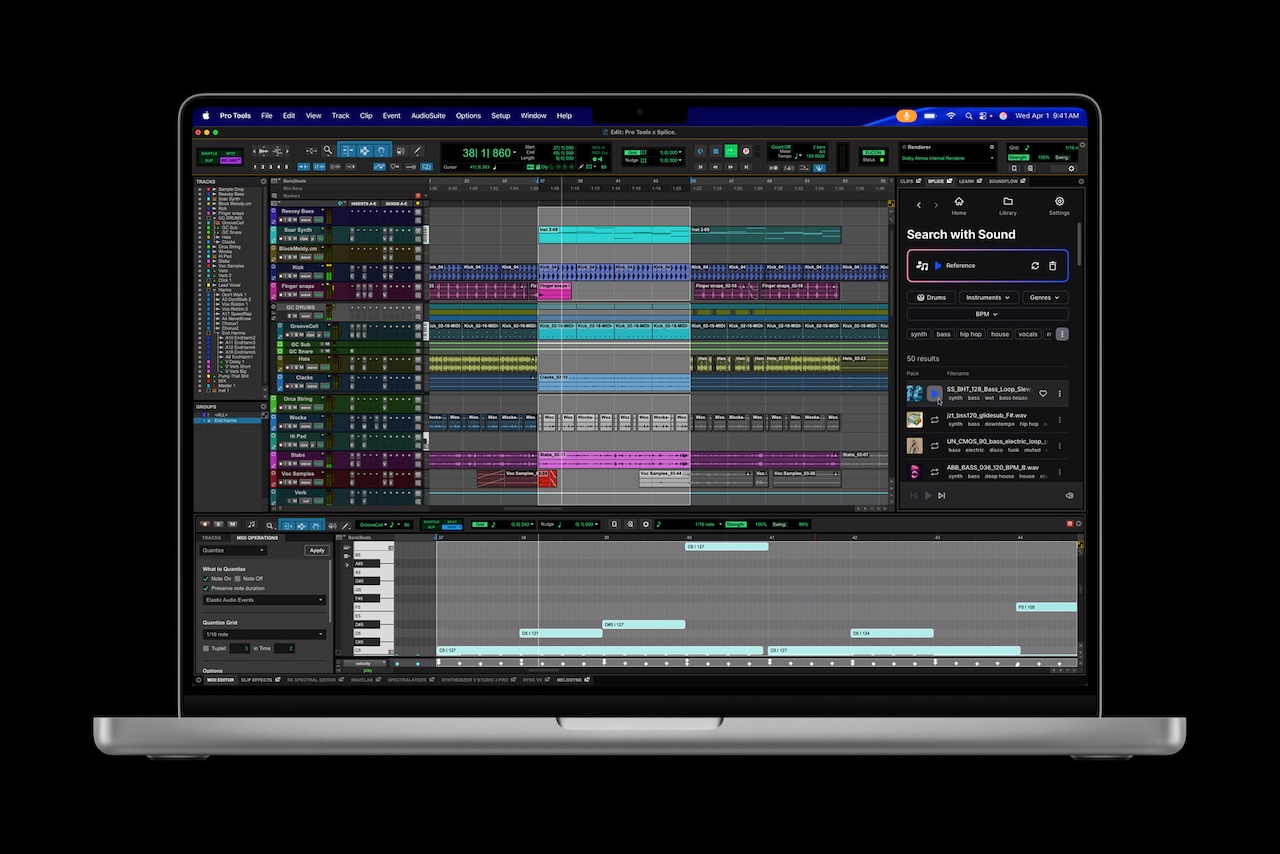
The more realistic entry points tell a less dramatic story: the 14-inch M5 Pro starts at $2,199 and the 16-inch at $2,699, holding steady from the M4 Pro generation. Education pricing knocks up to $200 off, depending on the model. Whether that top configuration makes financial sense depends entirely on whether your workflow actually needs 128GB of unified memory, and a surprising number of AI researchers and VFX artists would say yes without blinking.
7. Apple built its own Wi-Fi chip from scratch
Tucked into the spec sheet is a detail that’s easy to miss: the new MacBook Pro includes N1, an Apple-designed wireless networking chip. It handles both Wi-Fi 7 and Bluetooth 6, which appears to be Apple’s first in-house wireless networking chip for Mac. Apple designing its own networking hardware follows the same playbook as its move from Intel CPUs to Apple silicon years ago.
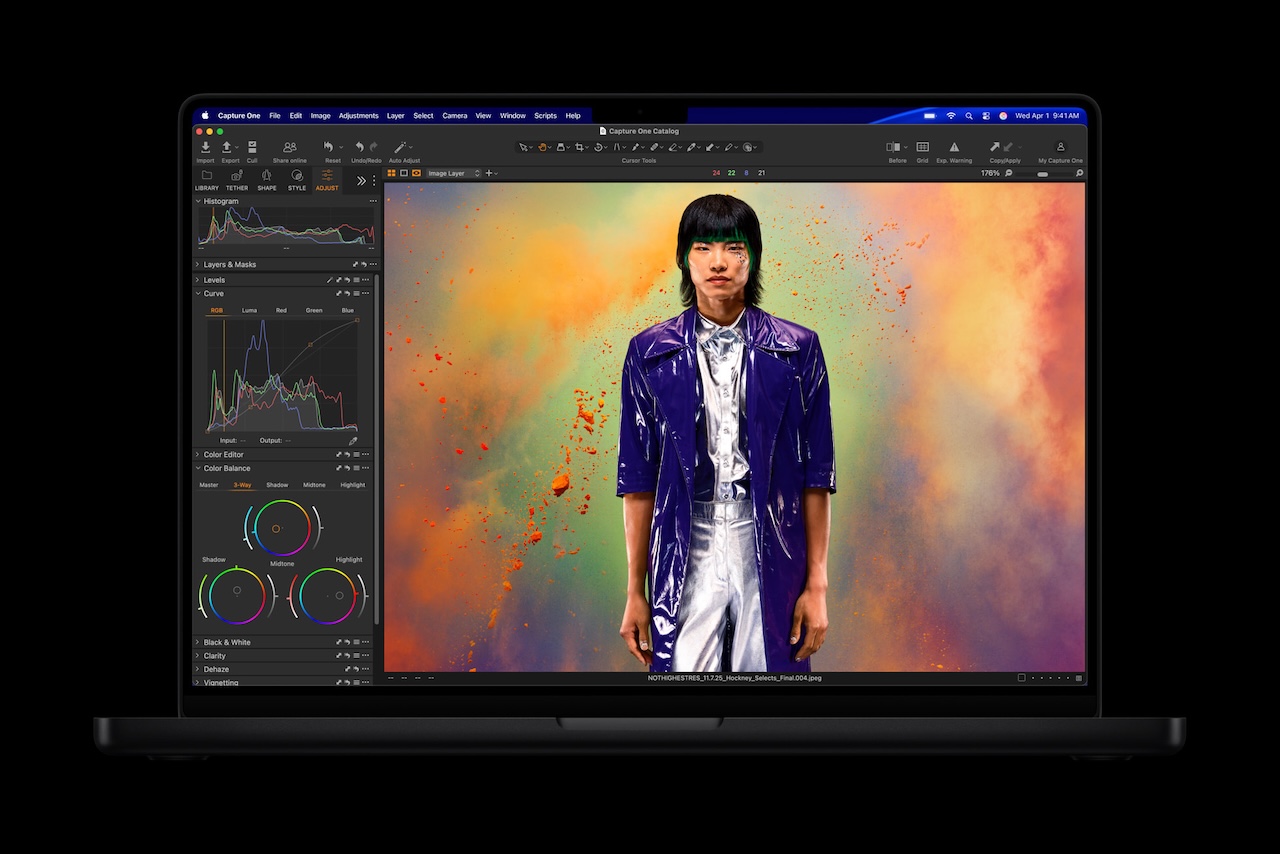 Controlling the chip means tighter integration, potentially better power efficiency, and the ability to optimize wireless performance specifically for macOS and Apple’s ecosystem. Wi-Fi 7 brings faster speeds and lower latency, while Bluetooth 6 improves connection reliability. It’s a small line item that signals a bigger trend: Apple wants to own every piece of silicon inside its machines.
What else is in the box
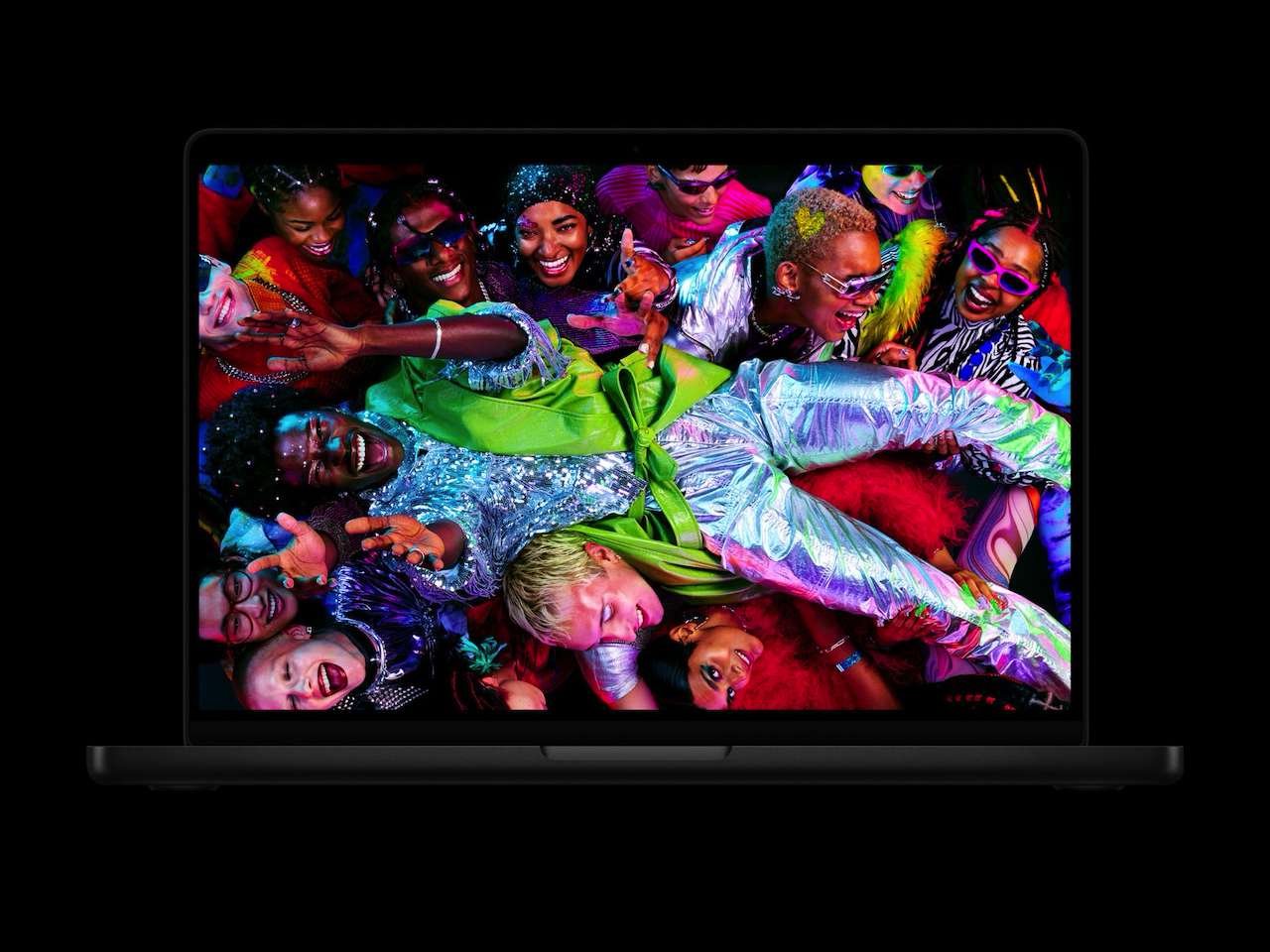 Beyond the headline numbers, the new MacBook Pro keeps its Liquid Retina XDR display with 1600 nits peak HDR brightness and a nano-texture option, three Thunderbolt 5 ports, HDMI with 8K support, and a 12MP Center Stage camera with Desk View. Battery life holds at up to 24 hours, and fast charging gets to 50 percent in 30 minutes with a 96W or higher adapter. The M5 Pro can drive up to two external displays while the M5 Max handles four. It ships with macOS Tahoe, which brings a Liquid Glass design refresh, expanded Apple Intelligence features, and a new Memory Integrity Enforcement security layer that Apple calls an industry first. Both the 14-inch and 16-inch models come in space black and silver.
Price:From $1,699
Where to Buy: Apple
The new MacBook Pro with M5 Pro is available to pre-order starting March 4 and arrives March 11. The 14-inch starts at $2,199 and the 16-inch at $2,699. The 14-inch M5 Max starts at $3,599 and the 16-inch M5 Max at $3,899. We’ll have a full MacBook Pro M5 review once we get time with the hardware, so check back after launch day.
Love our content?
Sign up for our newsletter today.
No ads, no spam, just links to our latest articles!